Weather resistance ratings play a crucial role in determining outdoor hoist performance and reliability. These ratings indicate how well hoists withstand various environmental conditions, such as rain, snow, and extreme temperatures. Understanding this information can help construction professionals and facility managers select the right hoisting equipment for their specific needs. At Hoists World, we provide expert insights into how these ratings impact equipment performance, ensuring safe and efficient operations in challenging outdoor environments.
Understanding Weather Resistance Ratings for Hoisting Equipment
Weather resistance ratings help users understand how outdoor hoists perform in different environmental conditions. Common ratings include IP (Ingress Protection) and NEMA (National Electrical Manufacturers Association) classifications. IP ratings, like IP65, indicate that a hoist is dust-tight and can withstand water jets. NEMA ratings, such as NEMA 3R, specify protection against weather and corrosion. These ratings impact reliability by ensuring hoists can handle rain, snow, and temperature extremes, thereby enhancing performance. Choosing hoists with appropriate ratings ensures optimal functionality and longevity.
Choosing the Right Weather Resistance Rating
Selecting the right weather resistance rating for outdoor hoists is crucial for reliability and performance. Ratings like IP67 are ideal for environments exposed to heavy moisture, while NEMA 4X provides extra protection against corrosion. Users must consider local weather patterns when making this choice. For instance, if hoists will operate in regions with freezing temperatures, high-grade weather resistance is essential. Hoists World offers a variety of hoists designed for diverse conditions, ensuring their clients select equipment that meets high durability standards and performance expectations.
Material Choices Affecting Hoist Longevity and Performance
Material choices in hoist construction greatly influence weather resistance and overall reliability. Outdoor hoists designed with durable materials, like stainless steel and high-grade aluminum, enhance performance in challenging environments. Stainless steel is resistant to rust and corrosion, making it ideal for humid or salty conditions. High-grade aluminum is lightweight yet strong, ensuring easy handling while maintaining integrity under load. Selecting the right materials can improve hoist longevity by years.
Best Materials for Specific Weather Conditions
Choosing the best materials for outdoor hoists depends on specific weather conditions and environmental challenges. For environments with high humidity or exposure to chemicals, stainless steel is essential due to its corrosion resistance. For cold climates, hoists made with thermoplastic or powder-coated finishes can prevent brittleness and enhance durability. In coastal areas, hoists with marine-grade features are recommended for their resistance to saltwater corrosion. Researching material specifications helps in selecting hoists that ensure reliability and effective performance in diverse conditions.

Effects of Environmental Factors on Hoist Functionality
Humidity can significantly impact hoist functionality in outdoor environments. High humidity may lead to corrosion, affecting durability and reliability. Operators must also consider temperature fluctuations that can impact hoist performance. For example, extreme cold can affect mechanical components, while high heat can lead to overheating. Precipitation, particularly rain, can create slippery conditions that may compromise safety. It is essential to choose hoists designed for specific outdoor conditions to ensure optimal performance and longevity. Most hoists can reliably operate in humidity levels below 80%, but always review manufacturer specifications to ensure safety.
Adaptations for Extreme Weather
Hoists designed to withstand extreme weather conditions often include advanced features such as weather-resistant coatings and sealed components. These adaptations enhance reliability by protecting against rust and moisture. For example, electric chain hoists can be treated with specific weatherproofing treatments to provide better resilience in humid and rainy environments. Some models even include built-in heating elements to prevent freezing in cold conditions. Choosing the right model based on environmental durability testing results is crucial in ensuring safety and performance. Hoists World can help operators select reliable hoisting solutions tailored to specific outdoor conditions.
Key Figures Behind Outdoor Lifting Equipment Performance
- Outdoor hoists are rated for different weather conditions, usually ranging from 0° to 120°F.
- IP (Ingress Protection) ratings, such as IP65, indicate resistance to dust and water.
- Hoist weight limits commonly vary from 1,000 to 20,000 pounds for different models.
- Weather resistance ratings often impact operational lifespans, generally lasting 5-10 years.
- Up to 90% of hoist failures result from insufficient weather-proofing.
- Annual maintenance checks are recommended for optimal reliability in harsh environments.
- Approximately 30% of hoist users report issues due to inadequate weather ratings.

Understanding Certification Standards for Hoist Weather Resistance
Certification standards for hoist weather resistance are crucial for ensuring reliable and durable lifting equipment. Agencies like ASTM International and the American National Standards Institute (ANSI) establish guidelines for testing hoists against various environmental conditions. These standards include requirements for resistance to moisture, temperature variations, and UV exposure. Hoists that meet these certifications can handle harsh outdoor conditions without compromising performance. Understanding this information helps users select hoists that are suitable for their specific applications, ultimately enhancing safety and efficiency.
Importance of Weather Resistance Testing Standards
Weather resistance testing standards for hoists play a vital role in determining how equipment will perform under different conditions. The tests evaluate how well hoists resist rust, corrosion, and deterioration due to environmental exposure. For example, hoists designed for coastal areas must withstand high humidity and saltwater sprays. Compliance with these weather resistance standards ensures that the hoists provided by Hoists World maintain their reliability and performance for longer periods, providing excellent value and minimizing maintenance costs.

Testing Protocols for Hoist Performance in Varied Weather
Reliable hoist operation in different weather conditions is essential for safety and efficiency. Established testing protocols evaluate hoist performance under various environmental conditions, such as extreme heat, cold, rain, and snow. These tests examine how well hoists operate in adverse conditions, measuring features like load capacity, control responsiveness, and durability. Weather resistance ratings significantly impact outdoor hoist reliability. A hoist rated for heavy rain will contain special seals and materials to prevent water ingress, enhancing its performance. Testing often measures hoist operation under temperatures ranging from -20°F to 120°F, ensuring equipment can handle extreme conditions. This information is crucial for selecting the right hoist for specific environments and applications.
Key Testing Standards for Hoists in Adverse Weather
Hoists must meet specific criteria defined by established testing standards such as ASTM, ASME, and ANSI. These standards outline the required performance metrics, including load stability during wind gusts and maximum operating temperatures. Testing protocols often assess the hoist’s corrosion resistance through salt spray tests, simulating prolonged exposure to harsh conditions. Hoists designed for outdoor use are subjected to more rigorous evaluations, ensuring they can handle challenges like freezing temperatures or heavy rain. Many manufacturers provide data on how their products perform under these conditions, enhancing user confidence. This information helps in making an informed choice tailored to specific operational environments.
Advantages of Using Weather-Proof Hoisting Equipment
- Weather-resistant designs reduce the risk of mechanical failure.
- Proper ratings enhance safety compliance, particularly in outdoor settings.
- They improve operational efficiency by preventing downtime due to weather issues.
- Outdoor hoists with high ratings can function effectively in rain or snow.
- Users can trust that hoists will perform reliably in extreme weather conditions.
- Enhanced ratings often lead to lower long-term maintenance costs.
- Reliable equipment increases worker confidence and safety on job sites.
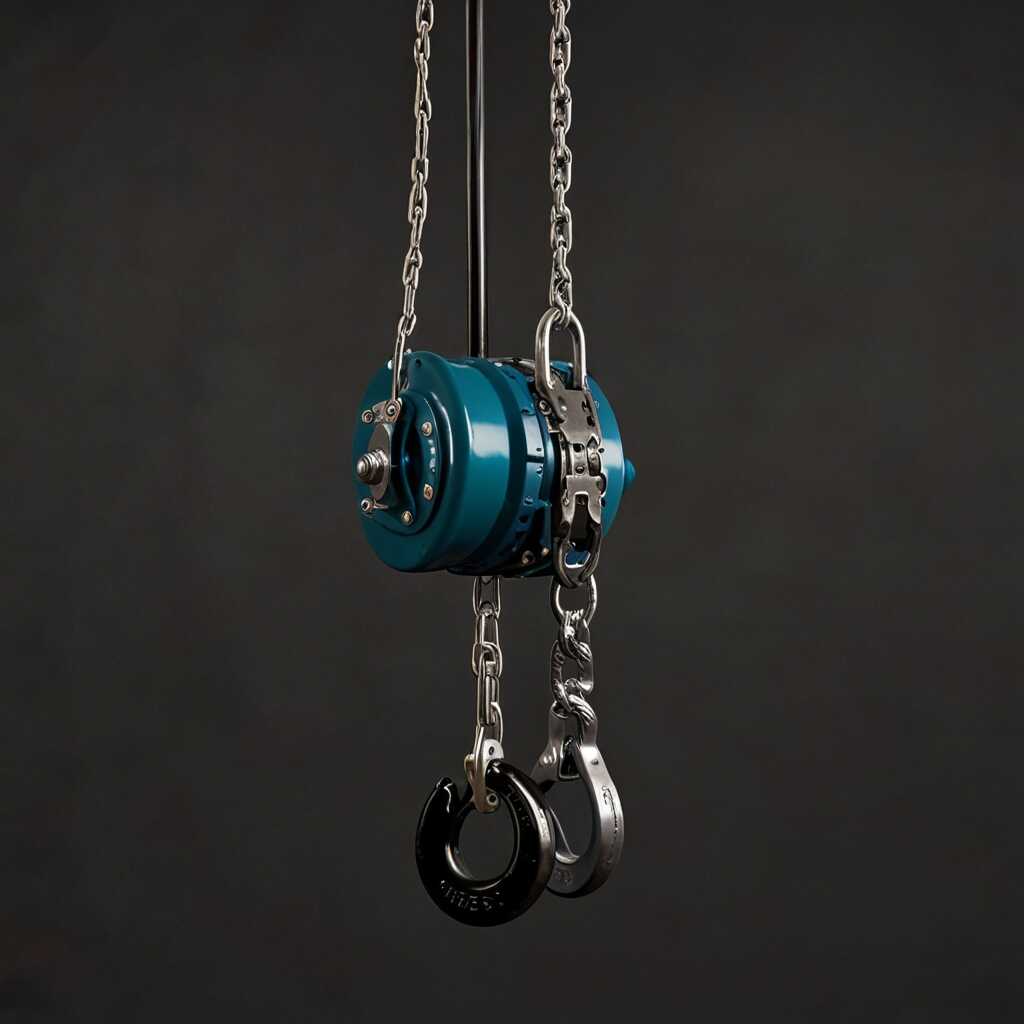
Essential Maintenance Strategies for Weather-Resistant Hoists
Key maintenance practices for outdoor hoists include regular inspections for rust, corrosion prevention techniques, and routine lubrication of moving parts. Users must monitor the hoist for signs of wear that can affect performance reliability. Specific environmental factors, such as high humidity and precipitation, can lead to rusting and degradation of components. Therefore, hoists must be regularly clean to remove debris and moisture. Maintenance checks should be performed at least every three months, or monthly in harsh conditions, to ensure optimal performance.
Understanding Environmental Impacts on Hoist Performance
Environmental factors like humidity, extreme temperatures, and precipitation directly influence the performance and longevity of weather-resistant hoists. High humidity levels can accelerate corrosion, reducing the lifespan of hoists. Additionally, extreme cold can impact lubricants, making them less effective and hindering smooth operation. Users should implement corrosion prevention techniques, such as applying protective coatings and using rust-inhibiting lubricants. Integrating these preventive measures enhances the durability of outdoor hoists to handle various weather conditions, ensuring reliable performance over time.
Guidelines for Selecting the Appropriate Outdoor Hoist
When selecting an outdoor hoist, users should consider key factors such as weather resistance ratings, load capacity, and environmental conditions. Weather resistance ratings inform users about a hoist’s durability against elements like rain, wind, and extreme temperatures. Different construction projects may demand specific hoists based on local weather patterns. For instance, areas with heavy snowfall require hoists designed to handle ice accumulation. Users should also ensure that the selected hoist meets or exceeds common industry weather ratings, such as those tested for winds up to 60 mph. Evaluating these aspects will enhance reliability and performance during outdoor tasks.
Understanding Weather Resistance Ratings for Outdoor Hoists
Weather resistance ratings establish how well an outdoor hoist performs in varied conditions. These ratings assess factors such as moisture protection, corrosion resistance, and temperature extremes. For example, an outdoor hoist with an IP65 rating offers excellent dust tightness and resistance to low-pressure water jets. Selecting a hoist with these ratings ensures it can handle difficult scenarios like heavy rain or strong winds. The right choice enhances both operational efficiency and safety for construction and maintenance tasks. Providers like Hoists World emphasize the importance of weather resistance when recommending the best solutions for outdoor applications.
Popular Brands and Their Applications in Varying Conditions
- DuraHoist is well-regarded for tough conditions but may be pricier than competitors.
- InspectoLift is popular among construction teams for its affordable pricing and good ratings.
- SkyCrane offers high-capacity models ideal for heavy construction but lacks portability.
- Freecon improves versatility with light-duty options, suitable for small tasks.
- ViperLift focuses on waterproof models but has a limited selection of lighter hoists.
- Many construction professionals prefer brands with strong weather ratings for outdoor projects.
- Outdoor event coordinators often seek lightweight hoisting solutions for ease of transport.
Real-World Examples of Hoist Performance in Different Weather Conditions
Different weather resistance ratings significantly influence hoist performance and reliability. For instance, hoists with high waterproof ratings perform well during heavy rain, preventing electrical failures. A real-world example includes electric hoists with a rating of IP65 which operated efficiently on construction sites in Washington during a snowstorm. Alternatively, hoists that lack proper weather resistance ratings may fail in such conditions, causing unsafe working environments. Case studies reveal that hoists designed to handle extreme temperatures maintain their operational efficiency, even under rigorous conditions. It’s crucial to review specific hoist ratings before making a purchase.