Variable frequency drives (VFDs) significantly enhance energy efficiency in electric hoists, a crucial aspect for industrial operations. By controlling the speed and torque of electric motors, VFDs reduce energy consumption during lifting tasks. This technology not only improves energy savings but also extends the lifespan of hoisting systems. Hoists World, a leading provider of lifting equipment, offers valuable insights into how integrating VFDs can boost performance and reliability in your hoisting operations.
Understanding Variable Frequency Drives for Hoisting Systems
Variable frequency drives (VFDs) are essential devices used in electric hoists to control the motor speed and torque. They function by converting incoming AC power to DC, and then back to a controllable AC output. By adjusting the frequency and voltage supplied to the motor, VFDs optimize performance during lifting operations. This not only enhances energy efficiency significantly but also improves the overall reliability of the hoisting system.
Applications of VFDs in Different Industries
Variable frequency drives are critical in numerous industrial applications, including manufacturing, construction, and logistics. In manufacturing, VFDs allow precise speed control when lifting heavy materials. In construction, they enhance the performance of cranes and hoists in varying load conditions. Logistics facilities benefit from VFDs as they ensure efficient movement of goods without wasting energy. The automation enabled by VFDs leads to improved productivity and cost savings across different sectors.
Key Advantages of Energy Efficient Hoisting Systems
Enhancing energy efficiency in hoisting systems brings several primary benefits. First, energy-efficient hoists significantly reduce operational costs by lowering electricity consumption. This results in substantial savings over time. It also supports sustainability efforts in industrial settings by minimizing carbon footprints. By using variable frequency drives (VFDs), these hoisting systems can provide precise control and load management, ensuring reliability and improved performance. Research shows that energy-efficient systems can reduce energy consumption by as much as 30%. This not only benefits finances but also promotes environmental responsibility.
Impact on Operational Efficiency and Cost Savings
Energy-efficient hoisting systems provide enhanced operational efficiency through their ability to adapt to load demands. These systems can automatically adjust motor speed and torque to match load requirements, which minimizes energy waste. The use of VFDs allows for smoother acceleration and deceleration, reducing wear and tear on equipment. This reliability translates into lower maintenance costs and longer equipment life. For example, reducing power consumption by 30% can lead to significant annual savings, especially in high-use environments. Investing in energy-efficient technology ensures that facilities remain competitive while supporting sustainability initiatives.
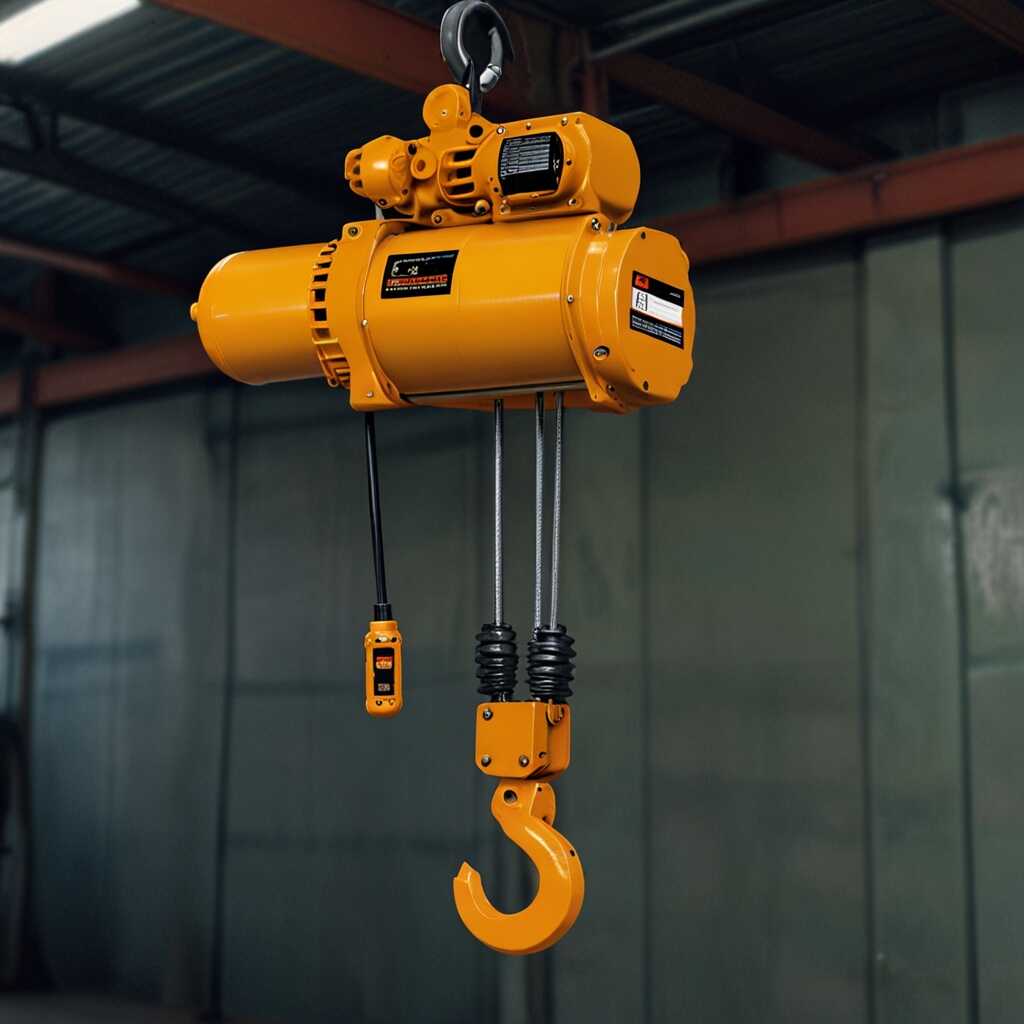
Performance Benefits of VFDs in Electric Hoists
Variable frequency drives (VFDs) significantly enhance the operation of electric hoists by controlling the motor speed and torque. They provide precise speed regulation, which leads to smoother operation and improved load management. VFDs reduce power consumption by adjusting the motor’s speed to match load requirements, resulting in notable energy efficiency improvements. These drives include features like soft starting and stopping, minimizing mechanical stress on the hoist components. Testing shows that VFDs can improve energy efficiency in electric hoists by about 20% compared to traditional systems.
Key Technical Features of VFDs
The technical features of VFDs that enhance energy efficiency include the ability to adjust output frequency, which controls the motor speed. This adjustment helps in achieving optimal performance during various lifting tasks. VFDs also enable ramp-up and ramp-down functions, which reduce the sudden mechanical impacts that can cause wear and tear. These features lead to increased reliability and durability of electric hoists. VFDs help maintain stable torque even with fluctuating loads, making them essential in load management solutions. Using VFDs ensures effective operation in different environments, enhancing overall hoist performance.
Key Statistics on Energy Usage in Hoisting Systems
- Electric hoists can consume up to 30% less energy with variable speed control.
- Variable frequency drives can reduce peak energy demand by 20%.
- Annual energy savings can reach $5,000 for a mid-sized facility.
- VFDs can extend equipment lifespan by reducing mechanical wear.
- System efficiency can improve by 15% through optimal motor speed adjustment.
- Companies can cut operating costs by 10-20% using VFDs in hoists.
- 75% of hoist failures stem from improper speed control and energy management.

Analyzing Cost Savings from VFD Integration
Implementing Variable Frequency Drives (VFDs) in electric hoists provides significant financial benefits. VFDs enhance energy efficiency by optimizing the motor’s power usage. This translates to substantial energy cost savings over time. Users often report a reduction in energy costs by 30 to 50 percent. VFDs also reduce wear and tear on components, leading to decreased maintenance costs. This extends equipment longevity, minimizing the need for frequent replacements. The initial investment in VFD technology pays off through these ongoing savings, making it a smart choice for industrial facilities.
Reducing Maintenance Costs with VFDs
VFDs play a key role in lowering maintenance costs in electric hoists. By enabling smooth starts and stops, VFDs reduce mechanical stress on the hoist components. This minimizes the risk of failures and extends the lifespan of parts. Regular maintenance becomes easier since VFDs control the speed and torque of the motor more effectively. Facilities can plan maintenance schedules based on actual usage patterns, enabling more efficient operations. The integration of VFD technology enhances reliability and helps ensure equipment operates at peak efficiency, contributing to smoother and more effective maintenance routines.

Environmental Sustainability through VFD Use
Variable frequency drives (VFDs) provide significant environmental benefits in hoisting systems. By optimizing energy efficiency, VFDs reduce electricity consumption. This lower energy use directly correlates to a smaller carbon footprint. For industrial operations, adopting VFDs is an essential step towards environmentally friendly practices. Reports show that VFDs can deliver energy savings of up to 60% when compared to traditional hoisting systems. Such efficiency results in notable reductions in harmful emissions associated with power generation.
Understanding Energy Savings from VFD Usage
The energy savings provided by VFDs really enhance their value in hoisting systems. A study showed that using VFDs accounts for as much as 60% energy saving in comparison to fixed-speed drives. This significant reduction in energy consumption leads to decreased operational costs and a lessened environmental impact. VFDs allow for precise control of motor speeds and loads, enabling systems to function efficiently under varying conditions. The design of VFDs supports better energy management, making them reliable choices for industrial facilities aiming for sustainability.
Advantages of Adopting Speed Control Systems
- Improved energy efficiency lowers utility bills for industrial users.
- Variable frequency drives optimize electric hoist performance.
- Reduced noise levels enhance the working environment for employees.
- VFDs enable soft starting and stopping to minimize stress on machinery.
- These systems allow precise control of lifting speeds for better load handling.
- Operators see enhanced safety due to better speed regulation during lifting.
- VFDs provide greater flexibility for various hoisting applications.

Real-World Examples of VFD Implementation Success
Several industries successfully use variable frequency drives (VFDs) to enhance electric hoists’ energy efficiency. In automotive manufacturing, a prominent company reduced energy consumption by 30% after installing VFDs on their assembly line hoists. In the construction sector, an equipment rental company streamlined operations, achieving cutting-edge performance with VFDs that allowed precise control over hoist speeds. The results showed a significant reduction in operational costs and improved safety. Additionally, a warehouse facility reported that integrating VFDs led to a remarkable 25% decrease in energy use while increasing overall reliability of their hoisting systems. These case studies highlight how VFDs can handle varied applications effectively, improving hoist efficiency while providing solid reliability.
Detailed Benefits of VFDs in Specific Industries
VFDs provide numerous benefits tailored to different industries, including reduced energy costs and improved control. In manufacturing, VFDs help adjust hoist speeds based on load requirements, ensuring optimal performance while extending equipment lifespan. In warehouse operations, they enhance energy efficiency with smoother starts and stops, reducing wear on electric hoists. Industries that handle heavy loads, like construction, enjoy increased safety features, enabling precise lifting movements. The added reliability of VFDs minimizes downtime due to fatigue or wear, ensuring continuous productivity. By optimizing hoist operations, VFDs play a crucial role in enhancing energy efficiency and performance across diverse applications.
Choosing the Right VFD for Electric Hoists
Selecting the right variable frequency drives (VFDs) for electric hoists involves several essential considerations. Focus on reliability, efficiency, and compatibility with your hoisting system. Consider factors such as input voltage, output frequency range, and control methods. Ensure that the VFD can handle the specific load and application requirements of your hoist. Additionally, look for features like built-in protections, such as overcurrent and overheating safeguards. A thorough review of user feedback and performance data can help you identify the best VFDs that enhance energy efficiency and operational effectiveness.
Key Features to Look For in VFDs
When choosing VFDs for electric hoists, prioritize features that enhance performance and durability. Look for VFDs with precise speed control to optimize lifting operations. Features like programmable acceleration and deceleration ramps ensure smooth starts and stops. Built-in communication protocols, such as Modbus or Ethernet/IP, enable easy integration with existing systems. Additionally, investigate if the VFD offers energy-saving modes that can reduce power consumption during idle periods. Thorough testing of these features can confirm the VFD’s suitability for your specific hoisting applications, aiding in more reliable and efficient operations.
Key Players and Their Applications in Lifting Solutions
- Brands like Siemens offer robust VFD solutions tailored for hoisting applications.
- ABB specializes in optimizing energy efficiency for large-scale operations.
- Schneider Electric focuses on smart systems for dynamic load conditions.
- Universal companies use VFDs to comply with stringent industrial energy standards.
- Smaller facilities adopt VFDs to manage limited budgets while improving efficiency.
- Construction firms leverage VFD technology for varying load management needs.
- Aerospace manufacturers use speed control for precision in lifting and lowering.
Future Developments in VFD Technology
Recent advancements in Variable Frequency Drives (VFDs) focus on enhancing the efficiency of electric hoisting systems. New technologies, like adaptive control algorithms, allow VFDs to optimize motor performance in real-time. Emerging trends highlight energy management solutions that integrate with smart technologies. In 2025, industries can see up to 30% improvement in energy efficiency by using advanced VFDs. These features help improve hoisting performance while reducing operational costs.
Smart Features in VFDs for Hoisting Applications
Smart features in VFD technology include integrated sensors and connectivity options. These advancements allow real-time monitoring and predictive maintenance for electric hoists. Such features enhance the reliability and durability of hoisting operations in industrial settings. Smart VFDs can analyze performance data, providing users with essential insights. This helps optimize cycles, prevent downtime, and ensure safety compliance. Utilizing these smart features can significantly enhance energy management solutions.