Choosing between wire rope and chain options for heavy-duty electric hoists can be challenging. Each type offers unique advantages and limitations that affect their suitability for specific tasks. At Hoists World, we provide detailed insights to help you understand these options, ensuring your decision is informed and safe. Our expert guidance emphasizes the importance of safety considerations and application needs when selecting the right hoisting solution for your operations.
Fundamental Comparisons of Wire Rope and Chain Hoisting Mechanisms
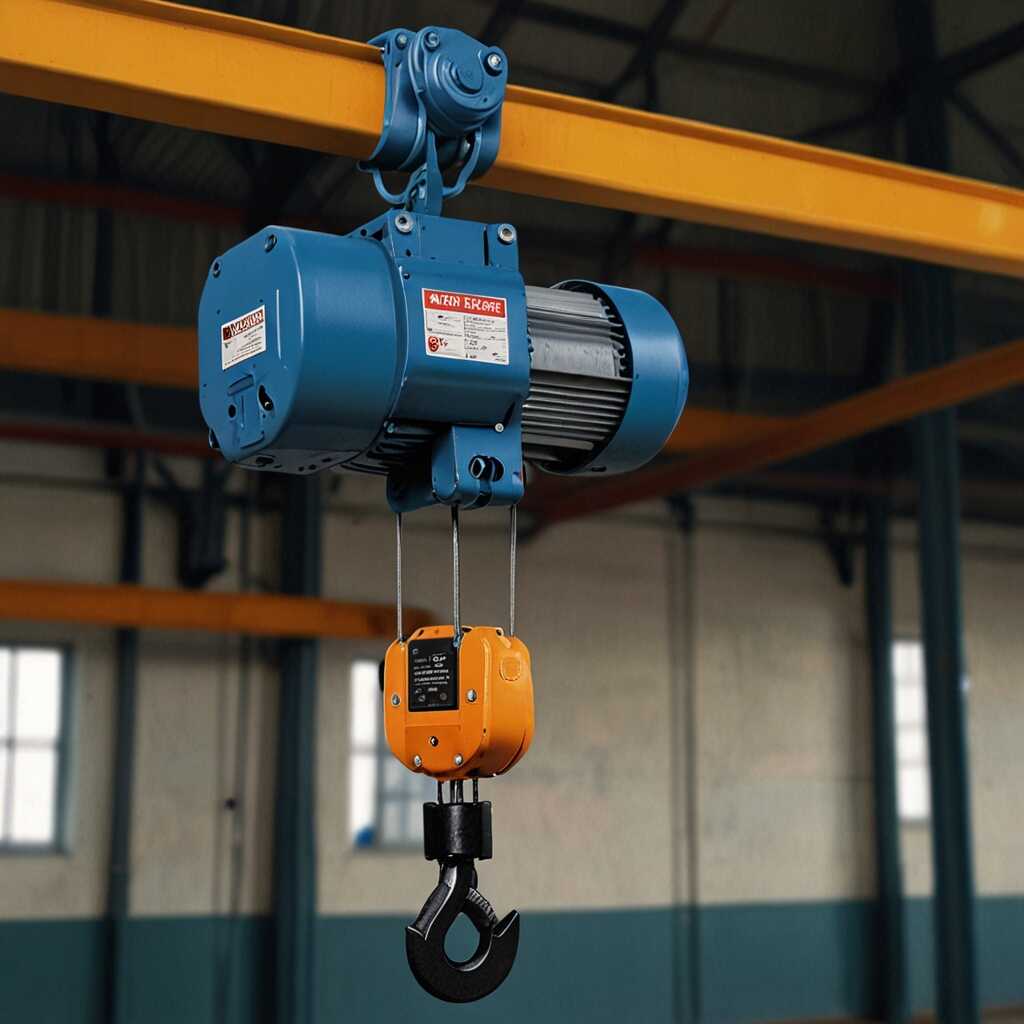
Wire rope hoists and chain hoists differ significantly in construction and operation. Wire rope hoists consist of a strong, flexible wire rope wound around a drum, providing smooth lifting and high capacity. These hoists are designed for heavy loads, making them ideal for industrial applications requiring reliability. Chain hoists utilize linked metal chains for lifting, which allows for precise positioning under load. Chain hoists are generally easier to maintain and more compact. However, wire rope hoists typically offer greater lifting height and speed. For specific applications, the choice between them depends on load capacity, placement requirements, and safety considerations.
Applications and Features of Wire Rope and Chain Hoists
Wire rope hoists are well-suited for heavy-duty lifting tasks, often found in manufacturing, shipbuilding, and construction settings. They can handle loads exceeding 50 tons, maintaining reliability during continuous operation. Chain hoists are perfect for scenarios needing portable lifting, such as in repair shops or outdoor construction sites. They are lighter and more versatile but come with lower load capacities, typically ranging from 0.5 to 10 tons. Wire rope hoists usually have better speed and efficiency, while chain hoists offer simplicity in design, making them user-friendly and easy to operate. Selecting the right mechanism ensures safety and enhances productivity in various work environments.
Key Benefits of Wire Rope for Heavy-Duty Applications
Wire rope hoists provide several key advantages for heavy-duty applications. Their primary benefits include high strength and reliability. Wire rope hoists are designed to handle substantial loads with impressive efficiency. They can manage loads ranging from 1 ton to over 100 tons. This makes wire rope the best choice for demanding lifting tasks in warehouses, construction sites, and manufacturing facilities. Their versatility allows them to be used in both indoor and outdoor settings. They also perform well in harsh environments, including extreme temperatures and exposed conditions. Wire rope’s durability enhances safety and performance, ensuring long-term use. Companies that choose wire rope hoists experience enhanced efficiency in their operations, making them a reliable lifting solution.
Understanding Load Capacity and Applications
The load capacity of wire rope hoists typically ranges from 1 ton to over 100 tons. This wide range allows wire rope hoists to cater to various heavy-duty applications, from lifting construction materials to moving large machinery. High-strength wire ropes can withstand significant force without stretching or breaking. This reliability is essential for safety in demanding industrial and construction environments. Wire rope hoists deliver excellent performance for complex lifting tasks, including those that require precision and care. They are ideal for use in environments where heavy items need to be lifted vertically or horizontally. Hoists World offers expert guidance to help customers choose the best wire rope solutions suitable for their specific applications.
Unique Advantages of Chain Hoists in Various Environments
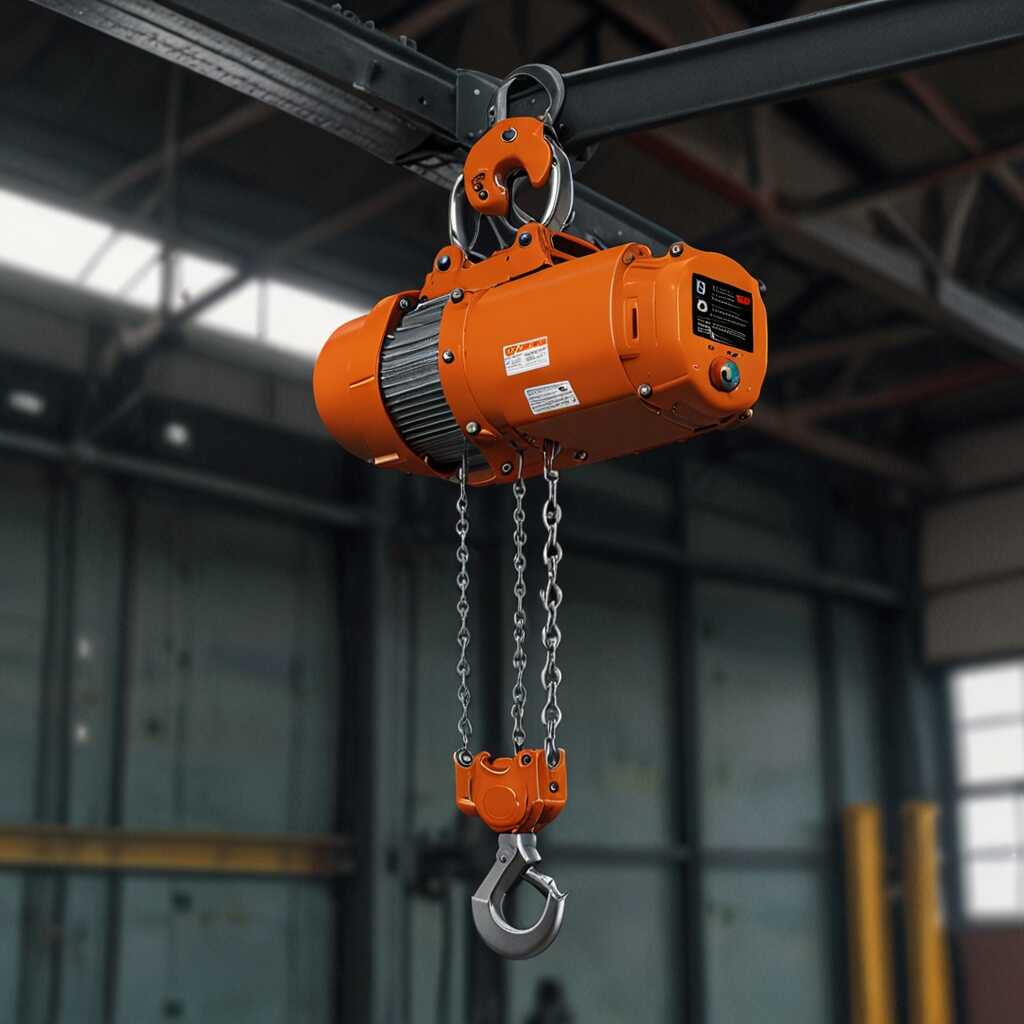
Chain hoists have several benefits over wire rope hoists. They provide durability and consistent performance in various environments, such as construction sites and industrial facilities. Chain hoists excel in heavy-duty tasks because they can handle higher load capacities, usually up to 20 tons. Their straightforward design means they are easy to use and maintain. Unlike wire rope hoists that can fray and require careful monitoring, chain hoists feature a sturdy construction that enhances safety. In dusty or harsh conditions, chain hoists perform better, providing reliability without frequent issues. This makes them a preferred choice for environments where safety and efficiency are critical. Their designs also offer resistance to corrosion, further extending their lifespan.
Recommended Environments for Chain Hoists
Chain hoists are particularly effective in environments with demanding conditions. For example, in construction sites, they easily navigate high load capacities, often reaching 5 to 20 tons. Their durability ensures they withstand rough handling and exposure to elements like moisture or dust. In manufacturing settings, chain hoists enhance production speed because of their easy operation. They can be quickly set up and adjusted for varied lifting needs, improving overall efficiency. Safety is paramount in these environments, and chain hoists are designed to minimize risks while enabling fast operations. Companies like Hoists World provide chain hoists that are rigorously tested to meet safety standards, ensuring that they deliver excellent performance across different applications.
Key Numerical Insights on Lifting Mechanisms
- Wire ropes can lift loads up to 100 tons in heavy-duty applications.
- Chain hoists typically handle loads ranging from 1 to 30 tons efficiently.
- Wire rope offers a lifting height of up to 300 feet under certain conditions.
- Chain systems can operate continuously for around 40 hours without overheating.
- A wire rope weighs approximately 0.4 to 1.5 pounds per foot.
- Chain links generally weigh between 0.2 to 1 pound per foot, depending on type.
- A wire rope’s lifespan can exceed 10,000 cycles with proper maintenance.

Maintenance Essentials for Wire Rope and Chain Hoists
Wire rope hoists and chain hoists require specific maintenance practices for safe and reliable operation. Essential practices include routine inspections of both types. For wire rope hoists, check for fraying, kinks, and corrosion. Inspect the drum and sheave for wear. For chain hoists, examine the chain for elongation, wear, and any bent links. The maintenance requirements for these hoists differ primarily in inspection focus. While wire ropes need regular lubrication and integrity checks, chain hoists typically require cleaning and oiling to prevent rust. It’s crucial to perform these checks at least every six months, or more frequently if the hoists are in high-use environments.
Routine Inspection and Care Tips for Wire Rope and Chain Hoists
Routine inspection and care significantly enhance the performance and longevity of hoists. For wire rope hoists, always inspect the wire rope’s condition by monitoring for any signs of damage such as broken wires or excessive wear. The sheaves and drums must also be examined closely to ensure they are not causing undue wear on the rope. Chain hoists, on the other hand, should have their chains regularly cleaned to remove dirt and debris, which can impact their durability. Additionally, check all safety mechanisms, including brakes and limit switches, to ensure they function correctly. Following a structured maintenance schedule helps identify issues early and keeps your hoists operating effectively.

Understanding Safety Regulations for Hoisting Equipment
Wire rope and chain hoists must adhere to safety regulations to ensure workplace safety and compliance. Organizations such as OSHA (Occupational Safety and Health Administration), ASME (American Society of Mechanical Engineers), and ANSI (American National Standards Institute) set the standards for hoisting equipment. Compliance with these standards helps prevent accidents and ensures reliable operation. Inspections of hoisting equipment should occur at least once a year, or more frequently depending on usage and conditions. Regular testing of load limits and proper maintenance enhances the equipment’s reliability and overall performance.
Key Safety Standards Impacting Hoisting Equipment
Key safety standards directly impact hoisting equipment include OSHA regulations, ASME B30.16 for overhead hoists, and ANSI standards for lift equipment. These standards outline essential safety practices. For example, ASME B30.16 specifies performance requirements for electric hoists, ensuring they can handle specific load capacities safely. OSHA mandates frequent inspections and maintenance schedules to enhance safety. These regulations improve operator awareness of potential hazards, helping maintain a safe working environment. Adhering to these standards guarantees that equipment from Hoists World meets high performance and durability benchmarks, ultimately reducing risks in industrial settings.
Advantages of Different Lifting Solutions
- Wire rope provides exceptional strength for high-capacity lifting needs.
- Chain systems offer easier and faster tension adjustments during use.
- Wire ropes are resistant to abrasion, wearing well in tough conditions.
- Chain hoists enable smooth operation in confined spaces with limited height.
- Wire rope has high flexibility, easily adapting to numerous lifting angles.
- Chain options are often less costly to repair and replace than wire ropes.
- Both types provide reliable safety features for lifting operations.
Guidelines for Selecting the Best Hoisting Equipment
Choosing the right hoisting equipment requires considering various factors, including load capacity requirements, environmental conditions, and frequency of use. For maximum reliability, evaluate the load capacity needed for your tasks. This includes understanding the specific requirements for wire rope and chain hoists. Additionally, assess the environment where the hoisting equipment will be used. Certain environments, like explosive areas, may favor pneumatic hoists over electric ones. Finally, consider how often the equipment will be used. Frequent use demands durable and reliable models that provide efficient operations over time.
Understanding Load Capacity and Its Impact on Hoisting Choices
Load capacity refers to the maximum weight the hoist can safely lift. Electric hoists for heavy-duty applications typically handle between 1 ton and over 100 tons, depending on their design. If you require a reliable hoist for intense lifting tasks, ensure it exceeds your load demands. Deep research helps in making an informed decision on whether to choose a wire rope or chain hoist. Both types offer unique features that enhance their performance. Wire ropes provide increased safety and durability under heavy loads, while chain hoists are often easier to maintain and more compact for limited spaces.
Financial Considerations of Wire Rope versus Chain Hoists
Understanding the initial investment costs for wire rope and chain hoists is critical. Wire rope hoists can range from $1,500 to $5,000, depending on their capacity and features. In contrast, chain hoists typically fall between $500 and $4,000. Ongoing operational expenses include maintenance, energy consumption, and potential replacement parts. For example, chain hoists often have lower maintenance costs and longer operational lifespans compared to wire rope hoists. Users can expect to save between 10% to 30% annually by choosing the more efficient option that suits their application. This cost-effectiveness analysis assists facility managers in making informed budgeting decisions.
Long-Term Savings and Efficiency Analysis
Long-term savings from selecting the right hoist type can significantly impact overall budgeting. Chain hoists generally require less frequent maintenance than wire rope versions. This leads to lower operational expenses over time. Additionally, energy-efficient models contribute to reduced electricity bills, enhancing budget efficiency. Users should evaluate how each option performs under varying load conditions. Efficient operation reduces wear and increases reliability, further improving long-term savings. Investing in quality equipment from a trusted provider like Hoists World ensures that both initial costs and ongoing operational expenses are optimized for the best return on investment.
Industry Comparisons for Heavy Lifting Solutions
- Construction managers often choose wire ropes for high-capacity cranes.
- Manufacturing sectors utilize chain hoists for repeated lifting tasks.
- Logistics firms prefer wire rope for long-distance material handling.
- Warehouse operators find chain systems useful for moving various loads easily.
- Marine and offshore industries rely on wire ropes for robustness in harsh environments.
- Repair shops prefer chain hoists due to their cost-effectiveness for smaller tasks.
- Both options serve industries with rigorous quality and safety standards effectively.
Operational Best Practices for Electric Hoists
Implementing key operational practices is essential for safely using electric hoists. Operators should follow standard safety checks, including inspecting the hoist before each use. Different electric hoist types, whether chain or wire rope, require specific monthly maintenance inspections. Operators must perform daily checks on load limits, rigging integrity, and emergency stop functionality. Conducting at least two safety checks before operating an electric hoist will help mitigate risks and enhance workplace safety.
Essential Safety Checks and Inspections
Essential safety checks for electric hoists include ensuring that all limit switches are functioning properly. Inspect the hoist for any signs of wear, particularly in the wiring and lifting components. Check load chains for distortion, kinking, or wear. Inspect wire rope for breaks or fraying, which can compromise reliability. Each inspection should also cover the hooks, ensuring they are free from cracks and are properly lubricated. A thorough inspection provides operators the confidence that hoists can handle their designated loads safely.