Weight capacity verification methods for vehicle lifts and hoists are essential for safe operation in any environment. Understanding these methods helps operators and managers ensure equipment meets safety standards and performance requirements. At Hoists World, we emphasize the importance of thorough testing protocols and best practices for weight verification. By providing insights into compliance and reliability, we aim to help you make informed decisions regarding your lifting equipment.
Importance of Weight Capacity Verification for Vehicle Lifts
Weight capacity verification is essential for vehicle lifts and hoists to ensure safety and operational effectiveness. This process verifies that equipment can handle the designated loads, preventing accidents and equipment failure. Proper weight capacity verification methods enhance reliability and are designed to meet safety standards. Techniques such as load testing, inspections, and documentation reviews provide a clear understanding of lifting limits. Following best practices in verification helps improve overall safety compliance while delivering better performance and durability in vehicle lifting operations.
Best Practices for Weight Capacity Verification in Vehicle Lifts
Implementing best practices for weight capacity verification in vehicle lifts is crucial for reinforcing safety. Regular inspections should include assessments based on testing protocols established by OSHA and ANSI guidelines. Utilizing proper load testing equipment can confirm that the lift can handle its rated capacity. Mechanics and operators should record data from each test to establish a reference for future evaluations. Forming a regimen of routine checks and maintenance ensures reliability and minimizes risks. Organizations that prioritize these practices experience fewer accidents and enhance the overall safety culture in their operations.
Load Testing Procedures for Ensuring Safety
Load testing procedures are crucial for verifying the weight capacity of vehicle lifts and hoists. These procedures include applying a known weight to the equipment and observing any deformation or failure that occurs under load. The testing usually follows established safety compliance standards such as ANSI and OSHA. Essential components involved in load testing include load cells, weights, and safety measures to ensure a secure testing environment. Regular load tests enhance reliability and ensure that equipment can handle specified loads. Load testing should be conducted at least annually, or more frequently depending on usage patterns.
Understanding Weight Capacity Verification Techniques
Weight capacity verification techniques are essential to ensuring lifting equipment meets performance standards. Each method assesses how well the equipment performs under various loads. Common techniques include static load tests, where weights are added gradually until the maximum capacity is reached. Dynamic load tests simulate real-world lifting scenarios. These comparisons provide essential data about the equipment’s reliability and safety. Hoists World emphasizes that comprehensive testing protocols not only enhance efficiency but ensure compliance with safety regulations, helping users make informed operational decisions.
Exploring Common Techniques for Weight Verification
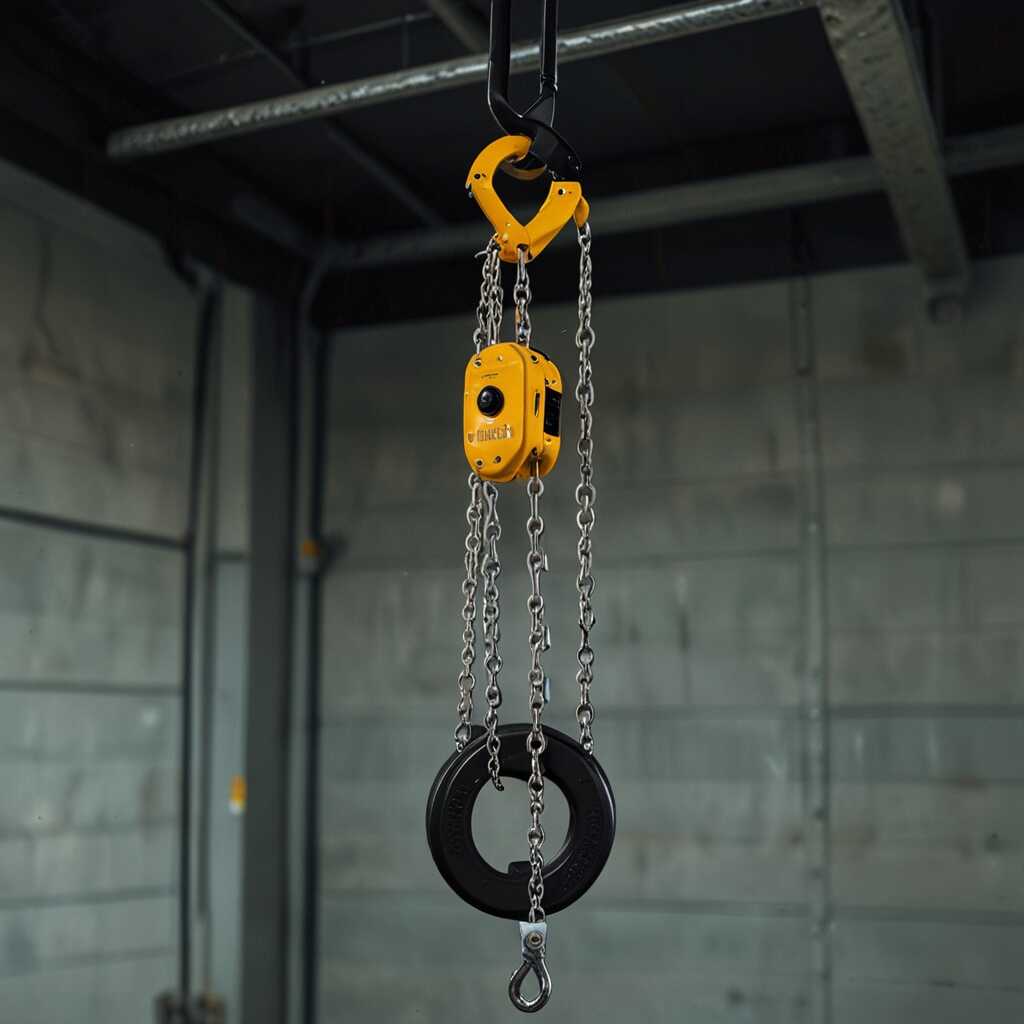
Static load testing and dynamic assessments are essential for verifying weight capacity. Static load testing involves applying a predetermined weight to the lift or hoist without movement. This method allows for checking the structure’s stability under a fixed load. Dynamic assessments test the lift or hoist while it’s in motion. Both methods provide reliability and results that help ensure safety compliance. When choosing a verification method, consider equipment type, load capacity, and safety regulations. Typical static load tests for heavy-duty hoists can involve weights up to 125% of the maximum rated load.
Understanding the Importance of Static Load Testing
Static load testing is crucial for evaluating a hoist’s structural integrity. It provides direct insight into how well the system can handle its rated capacity. The procedure typically involves adding weights that exceed the capacity by a margin, usually 25%. Conducting this test enables operators to identify potential weaknesses. Reliable testing methods enhance operator confidence in the hoist’s performance during actual lifting tasks. Ensuring compliance with safety regulations by performing these tests regularly leads to improved workplace safety and equipment longevity. Hoists World employs expert protocols to ensure static load testing is done effectively and efficiently.
Key Statistical Data Relating to Equipment Testing
- Most vehicle lifts can handle a maximum weight of 10,000 to 15,000 pounds.
- Weight capacity should be verified every 3 to 12 months, depending on usage.
- Over 70% of equipment failures result from exceeding weight limits.
- Proper testing protocols can enhance safety compliance by 40%.
- Regular inspections can reduce accident risks by 25%.
- Average professional lift test costs range from $150 to $500.
- The OSHA standard requires clear weight limits marked on all lifting equipment.

Regular Safety Inspections and Their Critical Role
Regular safety inspections are crucial for vehicle lifts and hoists. They ensure reliable operation and compliance with safety standards. Regular inspections include checking structural integrity, hoist mechanisms, and electrical connections. A thorough inspection prevents accidents by identifying wear and tear before it leads to failures. Quality inspections can extend the lifespan of equipment by ensuring it operates efficiently. Inspections help operators remain informed about their equipment’s performance, enabling them to make decisions on maintenance or necessary repairs.
Importance of Compliance with Safety Standards
Compliance with safety standards is vital for the effective operation of vehicle lifts and hoists. National organizations, such as OSHA and ANSI, set these standards to promote safe use of lifting equipment. Regular inspections must align with these protocols to minimize risks. Hoists World emphasizes the importance of rigorous testing protocols during inspections. Following established safety compliance standards helps prevent accidents and ensures the equipment’s reliability. Frequent reviews of equipment performance data enhance overall safety and efficiency in industrial settings.

Understanding Regulatory Standards for Compliance
Regulatory standards for weight capacity verification of vehicle lifts and hoists include OSHA guidelines, ASME, and ANSI standards. These regulations ensure the safety of equipment operators and maintain the reliability of lifting systems. Organizations such as OSHA are responsible for setting the guidelines that dictate how lifting equipment must be tested and maintained. Regular testing protocols help enhance safety by ensuring that equipment can handle the loads they are rated for. The maximum allowable load capacity established by OSHA standards varies, but it emphasizes continuous compliance with safety mandates and standards.
Key Organizations Influencing Safety Standards
Several key organizations influence safety standards for lifting equipment. The American Society of Mechanical Engineers (ASME) sets standards for lifting appliances, including vehicle lifts. The American National Standards Institute (ANSI) works closely with ASME to ensure proper guidelines are published and followed. These associations provide essential resources, like updated testing protocols, to ensure reliability and performance in lifting operations. They regularly review these regulations and adapt them to improve safety mandates across industries. By staying informed about these organizations and their standards, equipment operators can enhance their workplace safety compliance with the latest requirements.
Advantages of Verifying Load Capacities
- Ensures safe operation and reduces the risk of failures.
- Testing protocols enhance trustworthiness of vehicle lifts and hoists.
- Regular checks help maintain equipment lifespan and reliability.
- Operators benefit from increased safety compliance with regulations.
- Validating weight capacities fosters worker confidence in equipment use.
- Enhanced safety procedures can lower insurance costs for businesses.
- Prevents accidents that can lead to costly damages or injuries.

Choosing the Right Equipment for Load Requirements
When selecting hoisting equipment, consider the weight and type of load. The load’s size, shape, and weight dictate what equipment is suitable. For example, manual hoists work well for lighter loads, while electric hoists are ideal for heavier weights. Evaluate factors like lift height, duty cycle, and environment. Electric chain hoists can handle loads ranging from 500 to 20,000 pounds. Make sure to review the manufacturer’s specifications for load capacity, reliability, and features, ensuring you choose equipment that provides excellent performance and safety.
Understanding Load Characteristics for Equipment Selection
Load characteristics play a crucial role in equipment selection. Different loads may require specific hoist types to enhance safety and efficiency. For instance, heavy and irregularly-shaped loads may require a wire rope hoist for improved stability. Electric hoists are designed to handle larger, heavier volumes, while manual hoists are better in areas lacking power. Consider environmental conditions as well; for hazardous situations, pneumatic hoists are more suitable. Understanding these nuances helps ensure that the equipment can handle the load effectively while meeting compliance standards.
Safe Practices for Conducting Load Tests
Conducting load tests on vehicle lifts and hoists requires key safety procedures. First, inspect the equipment before testing to ensure it is in good condition. Use appropriate testing equipment such as calibrated load cells and ensure that every device adheres to safety compliance standards. Maintain a safe environment by clearing the area of personnel and ensuring that the working space is properly marked. Always load the lift or hoist to its maximum load capacity as specified by industry standards. This approach enhances safety and reliability. Review the results of the test with a qualified expert to ensure compliance with the established testing procedures and risk mitigation strategies.
Essential Equipment and Tools for Load Testing
When conducting load tests on vehicle lifts or hoists, it’s essential to use specific equipment and tools. Key items include calibrated load cells, safety chains, and protective gear. Load cells provide accurate measurements to verify the lift’s weight capacity. Safety chains ensure the load remains securely fastened during testing. Protective gear, such as helmets and gloves, ensures operator safety. Equipment should also include a proper communication system, enabling clear directions during the test. Regular reviews of equipment performance help maintain efficiency and improve overall operational safety.
Relevant Demographics and Industry Needs
- Automotive mechanics rely on lifts to perform vehicle repairs and maintenance.
- Construction supervisors need hoists for safely lifting materials on-site.
- Safety inspectors evaluate compliance, making knowledge of weight capacities critical.
- Industrial facility managers ensure operational efficiency with appropriate equipment.
- Workers in heavy machinery operation emphasize the need for safety protocols.
- Maintenance teams require continuous training and certification on weight limits.
- Contractors often seek specialized hoists tailored to unique job site requirements.
Technical Aspects of Hoist System Design Explained
Technical factors that affect hoist system design include load capacity verification, material selection, and safety compliance. Optimizing hoist system efficiency ensures that the equipment is reliable and durable for specific applications. Different hoist types, such as electric chain hoists or manual chain hoists, offer various load handling capabilities. Electric hoists provide fast lifting for heavier loads, while manual hoists are better suited for lighter loads in areas without power. A well-designed hoist system, also compliant with standards like ASME and ANSI, can handle weights exceeding 20 tons, depending on the specific setup.
Understanding Load Capacity and Testing Protocols
Load capacity and testing protocols are integral to hoist system efficiency and safety compliance. Reliable testing inspects various factors, including the hoist’s mechanical components, safety features, and load limit markings. Engineers conduct load tests to establish the maximum weight a hoist can safely handle. This process ensures that the hoist system meets industry standards and provides users with data regarding its reliability and performance under stress. Hoists World emphasizes rigorous compliance with safety standards, enabling its products to perform effectively in crucial industrial settings.
Overcoming Challenges in Weight Capacity Testing
Common challenges in weight capacity testing include equipment calibration, environmental factors, and inconsistent testing procedures. Proper calibration ensures reliability and accuracy in results, which is essential for safe operations. Environmental factors such as temperature and humidity can affect material strength, potentially leading to inaccurate weight readings. Inconsistent testing procedures may arise from variations in operator training and equipment used. Addressing these issues helps enhance the testing process and ensures compliance with established safety standards.
Best Practices for Effective Weight Capacity Testing
Implementing best practices for effective weight capacity testing includes standardizing procedures and employing appropriate testing equipment. Regular reviews of testing methods lead to improvements in reliability and consistency. Utilizing calibrated load cells and certified test weights is crucial for accurate evaluation. Companies like Hoists World provide expert recommendations and resources to help operators establish a reliable testing routine. Following established guidelines and protocols ensures that equipment, such as electric chain hoists and wire rope hoists, meets performance standards for safe use in various applications.
Innovations in Technology Transforming Load Tests
Recent innovations have brought significant improvements to load testing procedures. One major advancement is the incorporation of digital load cells and data acquisition systems. These tools enhance accuracy and provide real-time data during load tests. Many modern testing systems also feature wireless connectivity, making it easier to gather and analyze testing results. This helps ensure reliable weight capacity verification. By 2025, we expect load testing accuracy to reach above 95% using these advanced technologies. This shift enables safer and more effective operations across various industries.
Benefits of Digital Load Testing Equipment
Digital load testing equipment provides several advantages for users. They often include features like automatic calibration, which improves reliability without manual intervention. Advanced systems offer high-speed data logging and analysis, allowing operators to review results quickly and efficiently. This technology ensures thorough performance evaluations of hoisting equipment in industrial settings. With built-in safety alerts, these tools help maintain compliance with OSHA regulations. Operators will find that these innovations not only boost safety but also enhance overall productivity in load testing procedures.
Importance of Operator Training and Certifications
Operator training is essential for effective weight capacity verification. Well-prepared operators ensure the reliability and safe operation of vehicle lifts and hoists. Their knowledge enhances safety compliance and minimizes risks related to equipment failures. Certifications help demonstrate an operator’s understanding of safety protocols, testing procedures, and equipment limitations. Using these certifications, employers can review qualifications and trust operators to handle equipment safely. Research shows that effective training programs can reduce accidents in hoisting operations significantly, improving overall efficiency and safety.
Key Elements of a Successful Training Program
A successful training program for hoist operators focuses on hands-on experience, comprehensive knowledge, and regular assessments. Operators learn about weight capacity verification methods through practical sessions and simulations. Training includes understanding equipment features, load limits, and best practices for safe lifting operations. Regular refresher courses ensure operators stay updated on safety compliance regulations and industry standards. This ongoing education helps operators handle various hoisting equipment efficiently and confidently. Hoists World provides thorough operator training that enhances the skills and knowledge required for safe and effective operations in industrial settings.
Future Directions in Hoisting Equipment Safety Standards
Emerging trends in hoisting equipment safety standards include stricter compliance regulations, advancements in technology, and an emphasis on reliability. Organizations like OSHA and ASME continually update safety standards, focusing on preventing accidents. Recent studies reveal that over 40% of hoisting accidents are linked to equipment failure. This data underscores the importance of regular equipment performance reviews and rigorous testing to maintain safety compliance. Investing in reliable hoisting equipment minimizes risks associated with operational practices and enhances overall efficiency.
Technological Innovations in Safety Standards
Technological innovations play a crucial role in shaping the future of hoisting equipment safety standards. Smart hoisting systems utilize sensors and data analytics to monitor performance in real-time, ensuring operators are informed of potential issues. These systems provide alerts for maintenance needs and help operators adhere to best practices. As these innovations advance, they can handle more complex tasks while enhancing safety measures. Reliable hoisting equipment that incorporates these technologies is essential for meeting evolving safety standards and improving workplace safety significantly.