Understanding ratchet mechanisms in hand chain hoists is essential for controlled and safe lifting tasks. These mechanisms allow users to lift heavy loads efficiently while preventing accidental lowering. At Hoists World, we emphasize the importance of using reliable lifting equipment that incorporates ratchet designs to enhance safety and usability. With our extensive range of hoisting solutions, we aim to help construction workers, technicians, and safety professionals ensure secure lifting operations in various settings.
What Are Ratchet Mechanisms in Hand Chain Hoists
A ratchet mechanism in hand chain hoists is a crucial design feature that provides controlled lifting and lowering of heavy loads. This mechanism consists of a ratchet wheel and a pawl. The ratchet wheel is a circular gear that rotates in one direction only. The pawl is a lever that engages the ratchet teeth, preventing backward movement. This one-way motion enhances safety by ensuring that once a load is lifted, it cannot accidentally fall. Ratchet mechanisms are essential in manual chain hoists, enabling construction workers and maintenance technicians to perform lifting tasks securely. They offer reliable performance by allowing users to incrementally raise or lower loads without risk.
Key Components of Ratchet Mechanisms
The primary components of ratchet mechanisms include the ratchet wheel, pawl, and often a handle for operation. The ratchet wheel is designed with teeth that catch the pawl. When the handle is pulled, the pawl engages the teeth, allowing upward movement. Releasing the handle causes the pawl to lock in place, securing the load. This simple yet effective design enhances the lifting operation’s reliability and safety. Proper maintenance of these components is crucial to ensure efficiency. Regular inspections can help confirm the performance and durability of the ratchet mechanism.
How Ratchet Mechanisms Work to Control Lifting Forces
A ratchet mechanism prevents load movement by utilizing a series of teeth along a wheel that engages with a pawl. As the user pulls the hand chain, the wheel rotates in one direction to lift the load. When the chain is released, the pawl secures the ratchet and prevents any backward movement. This design enhances lifting safety by ensuring the load remains stable. The main components include the ratchet wheel, pawl, and hand chain. These parts work together to allow controlled lifting, making it easier for users to handle heavy loads safely. Many manual chain hoists can handle loads up to 20 tons, enabling reliable use in various applications.
Essential Components of Ratchet Mechanisms
The essential components of ratchet mechanisms include the ratchet wheel, the pawl, and the hand chain. The ratchet wheel has teeth designed to engage with the pawl, allowing movement in one direction only. This design is vital for load stability. The pawl automatically locks into place when the hand chain is not pulled, ensuring safety during lifting operations. Ratchet mechanisms are designed to handle substantial loads, often ranging from 1 to 20 tons based on the model. Understanding these components provides users with valuable insight into the reliability and safety of hand chain hoists, a crucial part of equipment from Hoists World.
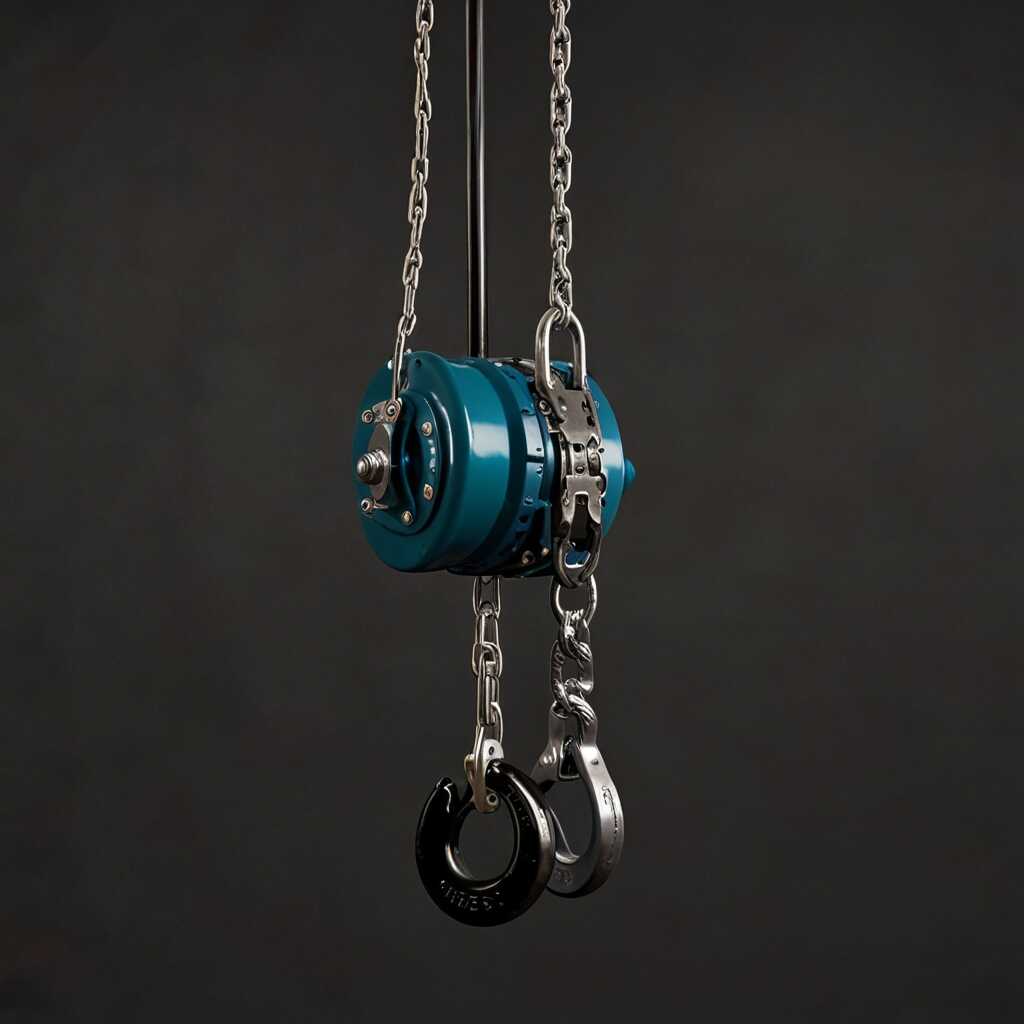
Different Types of Hand Chain Hoists
There are several main types of hand chain hoists available. These include manual chain hoists, electric chain hoists, and lever hoists. Manual chain hoists are commonly used in various settings. They feature a simple, hand-operated mechanism that requires no power source. Electric chain hoists are designed for faster lifting and heavy workloads, providing efficiency in industrial applications. Lever hoists allow for precise lifting and pulling in tight spaces. Each type offers unique features to enhance reliability and performance. Manual chain hoists typically have a lifting capacity ranging from 1 to 25 tons, depending on the model.
Key Features of Hand Chain Hoists
Hand chain hoists come with essential features designed for safety and efficiency. Manual chain hoists are lightweight and portable, enabling easy use in various environments. Electric chain hoists provide fast lifting speeds, with some models handling over 10 tons of lifting capacity. Safety features such as overload protection and automatic brakes are available, ensuring secure lifting at all times. Lever hoists are effective for horizontal and vertical positioning, which enhances usability. Each hoist type is rigorously tested for durability and performance, offering reliability in demanding lifting tasks. Hoists World provides a range of these products, ensuring customers find the best fit for their needs.
Key Figures of Hand Chain Hoists and Ratchet Mechanisms
- Ratchet mechanisms allow for lifting weights up to 6 tons with manual hoists.
- Over 90% of manual lifting tasks in construction utilize hand chain hoists.
- Common lift heights range from 10 to 20 feet for standard chain hoists.
- Typical gear ratios for ratchet systems in hoists are between 4:1 to 16:1.
- Manufacturers recommend servicing hoists after every 200 hours of use.
- Hand chain hoists come in various sizes, with some models weighing as little as 5 pounds.
- Operating temperatures for these devices should stay between -20°F to 104°F for optimal performance.
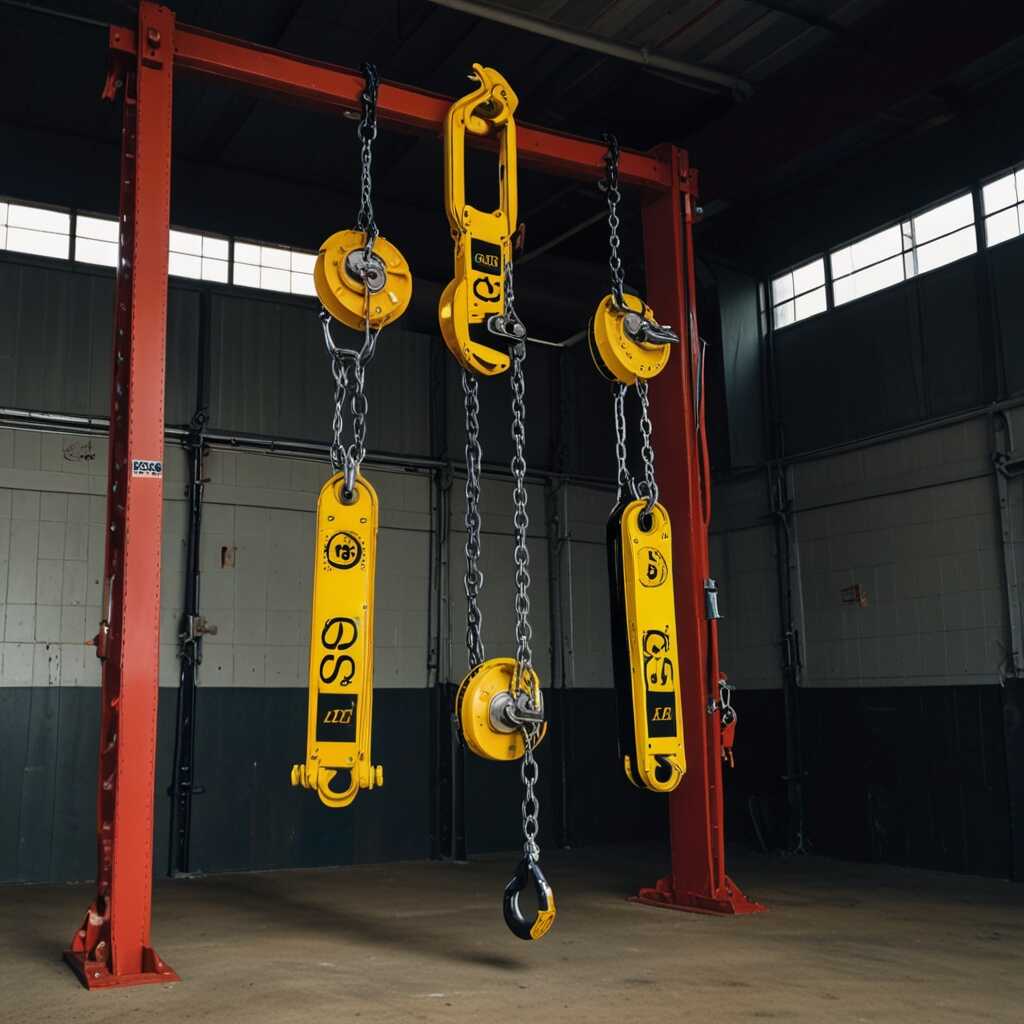
Safety Benefits Offered by Ratchet Mechanisms
Ratchet mechanisms significantly enhance safety during lifting tasks by preventing load drop and ensuring secure engagement. They function by allowing motion in one direction while locking in place, which minimizes the risks of accidental release. This reliable design provides consistent control while lifting loads. Compliance with industry safety standards like OSHA ensures that ratchet mechanisms in hand chain hoists meet specific safety requirements. Features such as double ratchet systems can further increase stability, reducing the likelihood of load slippage. Regular testing and maintenance of these mechanisms promote performance reliability and long-term safety for users.
Key Features that Enhance Safety in Ratchet Mechanisms
Ratchet mechanisms boast essential features that directly contribute to lifting safety. These include durable construction, which withstands high stress and load conditions. The pawl and ratchet interface ensures effective locking, helping prevent unintended load drop. Additionally, regular inspections and maintenance checks can identify wear or damage, ensuring continued safety when using hand chain hoists. Safety features like overload protection and visual indicators alert operators of potential issues. This comprehensive safety approach provides reliable lifting solutions that construction workers and maintenance technicians can trust.

How to Select the Right Hand Chain Hoist for Specific Applications
Choosing a hand chain hoist involves several essential factors. Start with understanding load capacity requirements. This reflects the weight the hoist can handle safely. Assess the environment where the hoist will operate. Consider factors like space limitations, power access, and potential hazards. Evaluate the material and type based on your tasks. Various hoist types provide different features suited to specific applications, such as lifting or pulling. Look for performance testing and reliability reviews of the products. Research ensures you choose a durable and proven hoist for your needs.
Types of Hand Chain Hoists and Their Applications
Hand chain hoists come in several types, each designed for specific lifting tasks. Electric chain hoists are ideal for fast lifting in warehouses. Manual chain hoists offer reliability where electricity isn’t available, providing good control. Lever hoists are perfect for horizontal pulling and precise positioning. Wire rope hoists excel in heavy-duty applications. When selecting, consider their load capacity, typically ranging from 0.5 tons to over 10 tons, and ensure the hoist features rigorous safety testing compliance. This will guarantee operational safety and efficiency on your job site.
Advantages of Utilizing Manual Hoisting Systems with Ratchet Mechanisms
- Operators gain better control over the lifting process for safety.
- Understanding ratchet mechanics enhances the effectiveness of lifting tasks.
- Manual hoists are easy to transport, making them ideal for various job sites.
- Regular use leads to superior knowledge about weight limitations and proper techniques.
- Lower maintenance costs arise, as manual models usually have fewer parts than electric ones.
- Operators can achieve finer adjustments in positioning due to precise control.
- Increased reliability in rugged settings due to their simple mechanical design.

Real-World Applications of Hand Chain Hoists
Hand chain hoists are commonly used in industries such as construction, manufacturing, and maintenance. In construction, they assist in moving heavy materials and lifting tools to elevated work areas. In manufacturing, they are useful for positioning heavy machinery or components during assembly. Maintenance technicians use hand chain hoists for equipment repairs and installations in tight spaces. Their design allows for ease of use when loads are secured in place. Hand chain hoists can enhance lifting efficiency by offering reliable control over heavy loads, ensuring safe operations and reducing manual labor strain. Typically, these hoists can handle weight capacities ranging from 1 ton to several tons, providing versatility for various industrial applications.
Specific Use Cases of Hand Chain Hoists in Different Sectors
In the manufacturing sector, hand chain hoists help in the assembly lines where heavy parts need to be moved regularly. They provide essential support for assembly tasks by lifting components precisely into position. In automotive repair shops, hand chain hoists are extensively used for lifting engines and other heavy parts safely. In construction, workers rely on these hoists to raise beams and drywall, making it easier to complete projects efficiently. The ease of operation and sturdy design of hand chain hoists make them a preferred choice across diverse industries for lifting tasks. Hoists World provides a range of hand chain hoists that meet the strict safety standards required for these applications.
Essential Maintenance Practices for Ratchet Mechanisms
To maintain ratchet mechanisms effectively, inspect components such as the ratchet pawl, gears, and chain for wear and damage. Regularly lubrication ensures smooth operation and enhances performance. Follow Hoists World’s guidelines to test ratchets for engagement reliability. This ensures the device can handle heavy loads without slipping. Conduct a thorough inspection at least once every six months, or more frequently if the hoist is used heavily. This maintenance schedule helps prevent failures and enhances the safety of lifting operations.
Detailed Inspection and Lubrication Procedures
Inspecting and lubricating ratchet mechanisms involves several steps. First, clean all accessible parts to remove debris or old grease. Use a high-quality lubricant specifically designed for mechanical devices to apply on the gears and moving parts. Ensure the ratchet pawl engages smoothly with the teeth of the ratchet wheel. If wear is noticeable, replace those components immediately to avoid breakdowns. Hoists World recommends performing these maintenance tasks every six months, or more often depending on usage. Regular inspections and timely lubrication significantly improve reliability and performance.
Target Users and Practical Applications for Hoisting Solutions
- Construction workers often use hand chain hoists for heavy lifting tasks.
- Mechanics favor manual hoists for precise positioning during repairs and installations.
- Maintenance technicians rely on these systems for routine equipment checks.
- Safety professionals oversee the correct usage of hoists to prevent accidents.
- Industrial facility managers utilize hoists for efficient material handling in warehouses.
- Operators looking to train typically require in-depth knowledge of safety protocols.
- Workers in remote areas prefer manual hoists where electricity is unavailable.
Common Questions About Ratchet Mechanisms and Their Operations
Ratchet mechanisms in hand chain hoists consist of several key components: the ratchet wheel, pawl, and handle. The ratchet wheel enables controlled lifting and lowering by allowing movement in one direction while preventing backward motion. Different types of hand chain hoists, including manual, electric, and lever hoists, each have unique designs that influence their ratchet mechanism performance. Electric chain hoists typically offer faster lifting speeds compared to manual hoists, enhancing overall efficiency. The maximum load capacity handled by ratchet mechanisms in manual chain hoists usually ranges from 0.25 tons to over 5 tons. This broad capacity range allows operators to select suitable equipment based on specific lifting tasks, ensuring reliability and safety during operations.
Performance Differences Across Hand Chain Hoists
Performance differences among various hand chain hoists directly impact their operational reliability and efficiency. Manual chain hoists, featuring traditional ratchet mechanisms, provide reliable performance for light to moderate loads, often up to 2 tons. Electric chain hoists excel in lifting heavier loads at faster speeds due to their powered mechanisms. Lever hoists are designed for precise positioning in tight spaces, making them ideal for adjusting loads up to about 3 tons. Selection criteria should include load capacity specifications, required lift height, and the specific lifting environments. Hoists World provides an expert comparison guide to help users make informed choices for their unique lifting applications.