Understanding lever hoists for effective horizontal pulling operations is essential for safe and efficient lifting. These tools provide precise control for moving loads horizontally, which can be crucial in construction and maintenance environments. At Hoists World, we offer a wide range of lever hoists designed to meet the unique needs of various applications. Our extensive expertise ensures you can find the right hoisting solution for your projects while prioritizing safety and operational effectiveness.
What are Lever Hoists and How Do They Function
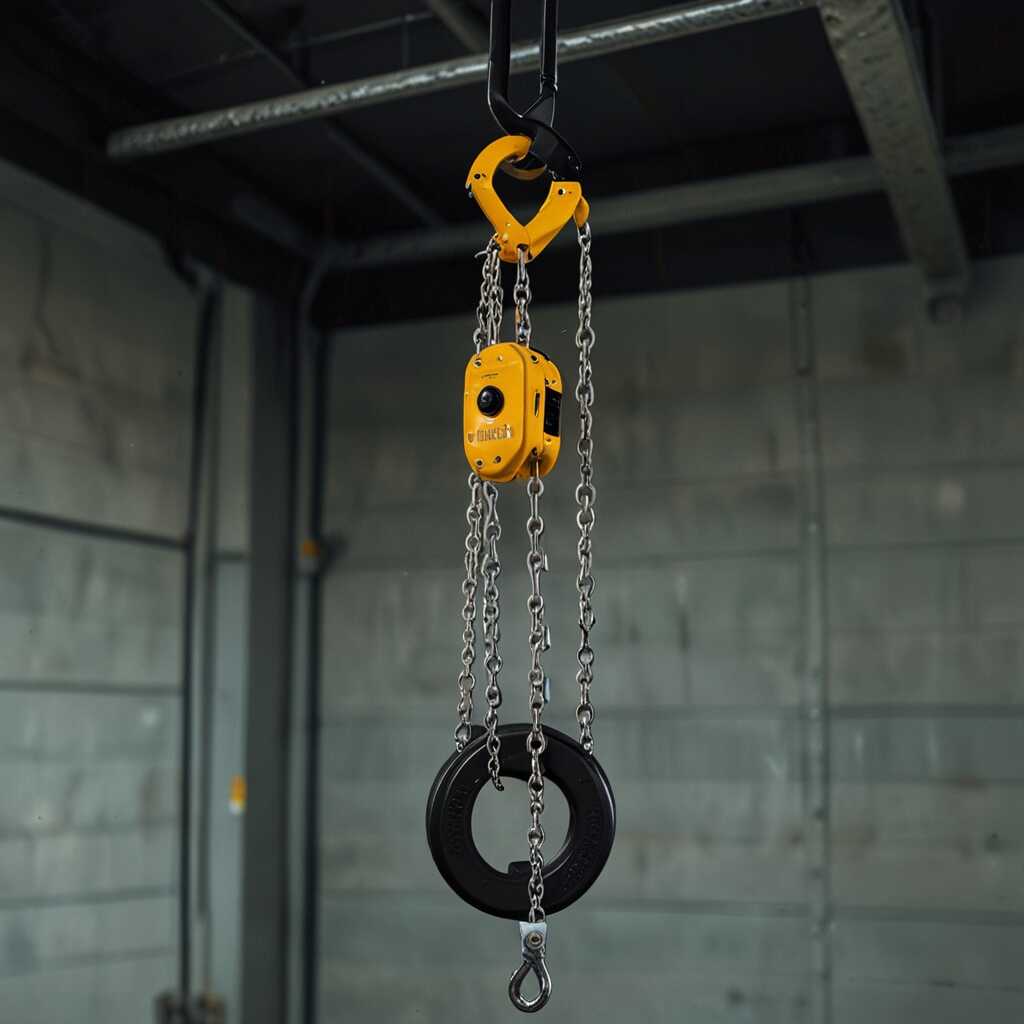
Lever hoists are manual lifting devices designed to lift and pull heavy loads horizontally and vertically. They consist of key components including a lever handle, ratchet and pawl mechanism, and a hoisting chain. The leverage system allows users to apply minimal force while moving heavy items, making them efficient for tasks such as moving equipment or positioning materials. Lever hoists can typically handle loads ranging from 1 to 10 tons, depending on the model. These tools provide reliability and efficiency in construction and industrial settings, enabling users to complete their tasks safely.
Applications of Lever Hoists in Industry
Lever hoists are essential for various applications in construction and industrial settings. They are commonly used for lifting, pulling, and positioning heavy loads in tight spaces where other hoisting equipment may not fit. The manual operation features of lever hoists make them suitable for job sites without electrical access. They enhance safety and efficiency when moving items such as steel beams, machinery, and large materials. This versatility and lifting capacity range contribute to their popularity among construction workers and equipment operators. Lever hoists are also valuable for maintenance personnel in industrial facilities, allowing them to perform routine tasks with ease.
Advantages of Lever Hoists Across Different Sectors
Lever hoists offer significant benefits for construction and manufacturing. Their portability makes them easy to transport and use in various locations. They enhance efficiency by allowing workers to perform horizontal pulls effectively without requiring electrical power. Lever hoists provide user-friendly designs, enabling quick setup and straightforward operation, which is crucial in busy environments. The construction and manufacturing sectors gain reliability and durability from lever hoists, allowing for safe and efficient operations. Industries such as automotive assembly, shipping, and crane operations also greatly benefit from their robust features, making them an essential lifting tool.
Key Features Making Lever Hoists Ideal for Different Applications
Lever hoists are designed with specific features that enhance their effectiveness in various applications. Their robust construction allows them to handle loads ranging from 0.5 tons to 10 tons with ease. These hoists often include a rugged steel frame and an ergonomic handle, making them comfortable and easy to operate. Additionally, the compact size of lever hoists contributes to their portability, making them suitable for cramped job sites. Excellent load-stability features ensure safety under load and allow for precise control during horizontal pulls. Overall, lever hoists are engineered to improve efficiency, making them invaluable tools across industries such as construction and manufacturing.

Key Specifications Including Load Capacity and Safety Features
Understanding the load capacities is essential for selecting the right lever hoist. Most lever hoists are designed to handle loads ranging from 500 pounds to over 10,000 pounds, depending on the model. This range provides versatility for various horizontal pulling operations. Safety features enhance the reliability of lever hoists, including a built-in safety latch, overload protection, and durable materials that withstand wear. These features help prevent accidents and improve overall efficiency during use.
Detailed Analysis of Load Capacities and Safety Features
Load capacities are critical for effective operations. Lever hoists are typically categorized based on their maximum load capacity. Common capacities include 1 ton, 2 tons, and 3 tons, with some models going up to 10 tons or more. Safety features include an automatic brake system that effectively secures the load when the handle is released. This prevents unintended movement. Additionally, high-quality lever hoists come with a durable construction that withstands harsh conditions, ensuring long-lasting performance. Hoists World offers a range of lever hoists that meet stringent safety standards, ensuring reliability and efficiency for various applications.
Key Statistics on Lever Hoists
- Lever hoists can lift loads ranging from 0.5 tons to 9 tons.
- Common gear ratios for lever hoists are typically between 4:1 to 25:1.
- Most lever hoists operate within a maximum lifting height of 10 feet.
- Lever hoists generally weigh between 10 to 50 pounds, depending on the model.
- They offer pulling capacities suitable for various operations, with a standard range of 1 to 5 tons.
- An average lever hoist has a working load limit (WLL) exceeding 2,000 pounds.
- Maintenance checks for lever hoists should occur every 6 months to ensure safety.

Common Uses of Lever Hoists for Horizontal Pulling Tasks
Lever hoists are incredibly useful in various scenarios requiring horizontal pulling. In construction, they can pull heavy equipment into position or move materials across uneven surfaces. These hoists enhance efficiency by allowing workers to execute tasks with precision and less physical strain. Maintenance tasks benefit from lever hoists by providing the means to adjust and reposition machinery safely. The average weight capacity that lever hoists can handle for horizontal pulling typically ranges from 1 to 3 tons, depending on the model and design.
Effective Scenarios for Lever Hoist Usage
Lever hoists serve effectively in scenarios like lifting heavy loads horizontally on job sites. For instance, when moving large steel beams, a lever hoist helps align them precisely for installation. Their design enables workers to exert force effortlessly, improving overall productivity. In maintenance settings, lever hoists can reposition machinery in tricky spaces, ensuring safety and reliability throughout the process. With proven performance and capability of handling weight of up to 3 tons, these hoists provide essential support in tight or awkward spaces, enhancing workplace efficiency significantly.

Best Practices for Lever Hoist Maintenance and Care
Maintenance is essential to ensure the reliability and durability of lever hoists. Key tasks include routine inspections, cleaning, and repairs. Perform thorough inspections before and after use. Look for any signs of wear, especially on the load chain, pawls, and ratchet mechanisms. Use a clean, dry cloth to wipe down the hoist. For sticky or corroded parts, a light lubricant can improve performance. Repairs should be conducted immediately whenever wear is detected. Regular checks help identify issues early and ensure safe operation. Follow manufacturer recommendations to determine the frequency of full inspections based on hours of use, typically every 100 hours or annually, whichever comes first.
Essential Inspection Steps for Lever Hoists
Inspection steps should include checking the load chain for significant wear or damage. Inspect the pawls for proper engagement and the ratchet for smooth operation. Essential tools for these inspections may include a micrometer to measure chain wear and a wrench for tightening loose bolts. Contrast rusty areas with cleaned sections to ensure overall integrity. Check safety mechanisms, and replace any damaged components. Hoists World recommends using a checklist to document inspections, enhancing reliability and safety.
Advantages of Using Lever Hoists
- Lever hoists provide excellent control and precision during load handling.
- These tools are lightweight and easy to transport for various jobs.
- Lever hoists operate effectively in tight spaces where machinery might not fit.
- They deliver exceptional pulling force even with minimal operator effort.
- Lever hoists are versatile and can handle horizontal and vertical applications.
- These devices require minimal maintenance, enhancing operational efficiency.
- They are cost-effective solutions for temporary lifting tasks, reducing expenses.
Essential Training for Operators and Safety Compliance
Operator training programs for lever hoists include key components such as understanding hoist mechanics, load handling, and safety protocols. Compliance with OSHA standards is achieved through structured training that covers safety requirements and operational guidelines. Lever hoist safety training usually lasts at least four hours, ensuring operators grasp essential concepts and practices, enhancing their reliability during operations.
Best Practices for Lever Hoist Safety Training
Best practices for lever hoist safety training involve engaging learning formats such as hands-on demonstrations and interactive sessions. Operators should learn about load limits, inspection requirements, and safe rigging techniques. Comprehensive training helps operators become familiar with the specific features and performance of lever hoists. Incorporating real-life scenarios in training can enhance their ability to handle various lifting applications safely. Practical training improves efficiency, ensuring operators are comfortable with using these tools effectively in different environments.
Lever Hoists Versus Alternative Lifting Equipment Options
Lever hoists offer unique benefits such as portability and precise control, especially for horizontal pulling tasks. Unlike manual chain hoists, which require more physical effort and are limited in their lifting range, lever hoists are easier to use and typically enhance lifting efficiency. Electric hoists provide speed but rely on power sources, making them unsuitable for every situation. Each option has its reliability, making it essential to consider load capacity, usability, and application environment during the selection process. Understanding the load capacity comparison can help you determine which hoist is most suitable for specific tasks and conditions.
Understanding Lever Hoist Applications
Lever hoists are designed for a variety of applications, making them ideal for construction and maintenance tasks. They can handle loads ranging from 1,000 to 10,000 pounds, allowing precise positioning in tight spaces. Their compact size enhances maneuverability, making them great for horizontal pulling operations. Lever hoists offer excellent reliability, as they are engineered to provide consistent performance under various conditions. Comparing lever hoist applications with manual chain and electric options shows that lever hoists deliver performance without needing electricity, thus improving safety in hazardous environments.
Demographics Benefiting from Lever Hoisting Equipment
- Construction workers rely on lever hoists for safe material movement on sites.
- Industrial operators use them for heavy loads in manufacturing environments.
- Maintenance personnel favor them for repairs and installations in facilities.
- Safety managers prioritize lever hoists for ensuring workplace compliance.
- Equipment buyers seek lever hoists to diversify their inventory offerings.
- Warehouse staff utilize them for efficient stock handling in storage areas.
- Aluminum lever hoists appeal to those looking for lightweight yet strong solutions.
Understanding Regulations and Compliance for Hoisting Equipment
Understanding regulations is essential for safe operations with lever hoists. The key regulatory standards include OSHA, ASME, and ANSI. OSHA compliance ensures safety in the workplace by setting standards for equipment use, maintenance, and operator training. ASME provides specifications on design, manufacturing, and performance, ensuring the hoists can handle specified loads without issues. Regular safety inspections and adherence to these regulations improve reliability and efficiency in various environments. For example, the safety measures recommended help reduce the risk of accidents, creating a safer workplace.
Importance of Following OSHA Standards in Hoisting Operations
OSHA standards are critical for hoisting operations as they set guidelines for equipment safety and operator training. Lever hoists must comply with these guidelines to ensure they meet safety and performance requirements. Regular OSHA-compliant safety inspections help identify potential hazards, ensuring hoists operate efficiently. This compliance enhances workplace safety and reliability. Furthermore, staying updated with OSHA standards allows companies to remain competitive while providing a reliable operation environment for workers. Hoists World provides guidance on these regulations, helping clients meet compliance effectively.