The “Comprehensive Guide to IP Ratings for Electric Hoists in Challenging Environments” explains how IP ratings protect electric hoists in wet and dusty settings. Understanding these ratings is crucial for ensuring the safety and performance of hoists that operate under adverse conditions. At Hoists World, we emphasize the importance of selecting equipment with the right IP rating to prevent damage and maintain efficiency. This guide will help construction workers, safety managers, and maintenance technicians navigate the implications of IP ratings for their specific needs.
Essential Overview of IP Ratings and Their Meaning
IP ratings, or Ingress Protection ratings, are crucial standards that indicate how resistant electric hoists are to water and dust. These ratings represent reliability in challenging environments. For example, the first digit indicates protection against solid objects, while the second digit shows protection against liquids. A hoist with an IP67 rating is dust-tight and can handle immersion in water for a short time. Understanding these ratings helps users select equipment tailored for the specific environmental conditions of their operation, which is essential for safety and performance.
Understanding the IP Rating Code Structure
The IP rating code comprises two numbers. The first number ranges from 0 to 6, defining the level of solid object protection. The second number ranges from 0 to 8, defining the level of liquid protection. For example, an IP65 rating means excellent dust protection and water resistance, suitable for most construction sites. Choosing the right IP rating enhances reliability and efficiency. Higher-rated equipment handles more extreme environmental factors, ensuring durability and uninterrupted operation. To make the best choice, consulting expert reviews and precise testing data from suppliers like Hoists World helps clarify which features are necessary for your specific conditions.
Impact of Moisture on Electric Hoist Operation and Safety
Wet conditions pose significant risks for electric hoists, impacting their reliability and safety. Moisture can lead to corrosion of internal parts and electrical failures. Wet environments may also compromise the hoist’s structural integrity. IP ratings are essential in this context. These ratings indicate the level of protection against dust and moisture. A higher IP rating means better protection, enhancing the safety and efficiency of hoist operations in challenging environments. Regular testing and inspections of hoists are required to ensure they operate correctly in damp conditions.
Choosing the Right IP Rating for Your Electric Hoist
When selecting an electric hoist for wet conditions, prioritize the IP rating. A minimum rating of IP65 is generally recommended for decent moisture protection. This rating ensures the hoist is dust-tight and can withstand water jets. Some applications might require IP67 or higher, providing protection against temporary immersion in water. Hoists engineered for harsh terrains often come with advanced coating and sealing technologies that improve their resilience against corrosion. Hoists World offers various models with high IP ratings specifically designed for wet environments. These hoists undergo rigorous testing to ensure they can handle moisture effectively.

Dangers Posed by Dust in Hoisting Applications
Dust can significantly compromise the performance and safety of electric hoists. Excess dust can clog moving parts, leading to mechanical failures and malfunctions. This may result in the hoist dropping loads unexpectedly. These failures create serious safety hazards for operators and nearby personnel. Dust can also degrade electronic components, reducing reliability and efficiency. Choosing electric hoists with appropriate IP ratings helps ensure protection against these dust-related risks. For example, IP ratings of at least IP55 are recommended for environments with high dust levels. This rating indicates the equipment is dust-tight and can handle the continuous ingress of particulates.
Effective Strategies for Dust Prevention in Hoisting Systems
Implementing effective dust prevention strategies is crucial for maintaining the functionality of electric hoists. Regular maintenance and cleaning schedules significantly enhance hoist performance. Cleaning can involve using compressed air or specialized vacuums to remove built-up dust. Utilizing hoist covers can protect equipment when not in use. Selecting hoisting equipment with higher IP ratings furthers protect against dust ingress. Hoists rated at IP65 or higher provide additional protection, which is vital in extremely dusty environments. These actions not only help prolong the lifespan of the hoists but also ensure safe and efficient operations in challenging conditions.
Key Numerical Facts About Protection Ratings
- IP ratings range from IP00 to IP69 for electrical equipment.
- Electric hoists can have IP ratings such as IP55 for water and dust ingress protection.
- IP ratings consist of two digits: the first for solids and the second for liquids.
- A hoist rated IP54 can handle limited dust and splashes of water.
- Hoists rated IP67 can be submerged in water for up to 30 minutes at a depth of 1 meter.
- The first digit in an IP rating indicates protection from solid objects up to 12mm.
- Higher IP ratings generally mean increased safety and performance in tough conditions.
Guidelines for Selecting IP Rated Hoists for Your Environment
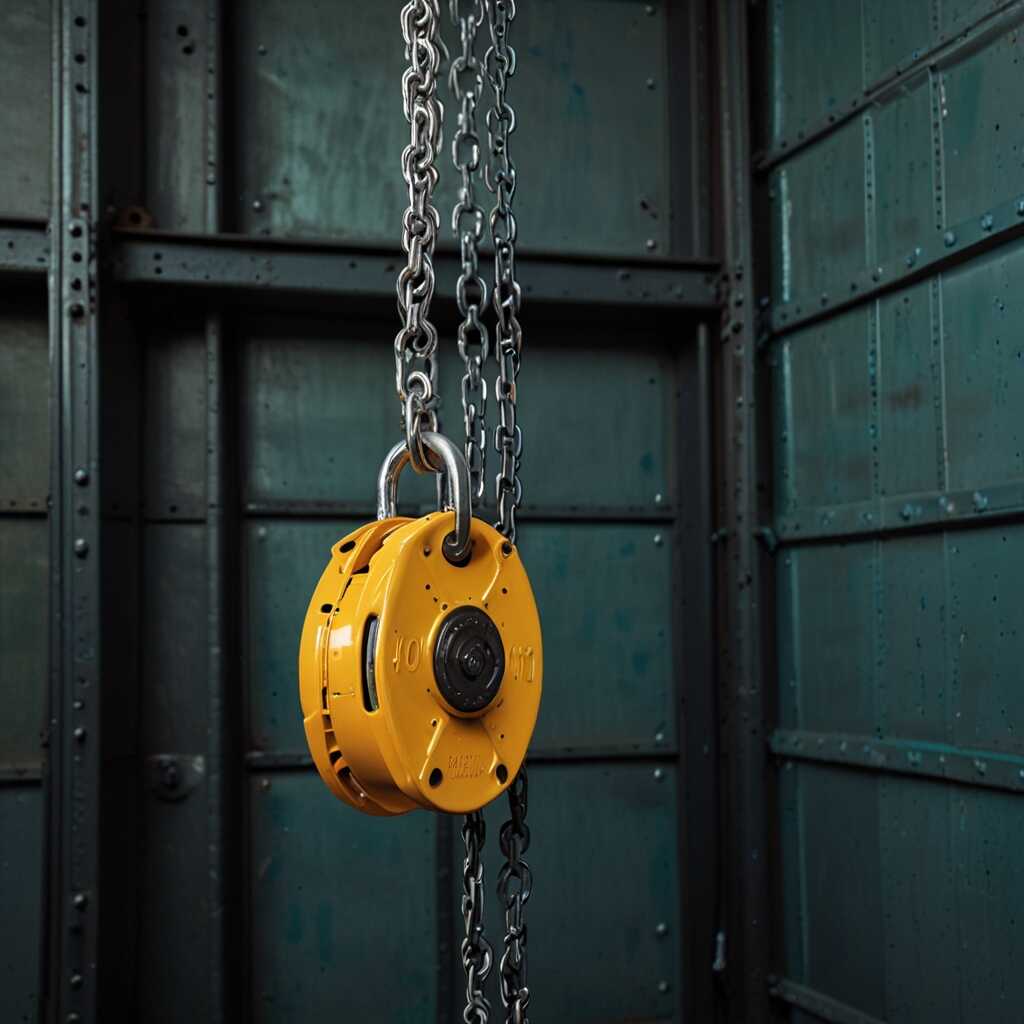
Choosing the right IP rating for an electric hoist depends on the environment. First, identify whether the environment is wet, dusty, or both. For instance, if you work in humid areas or near water, an IP rating of at least IP65 is essential. This rating ensures that the electric hoist is dust-tight and protected against water jets. Areas with heavy dust might require a similar IP rating as well. Always consult product reviews and performance data for guidance on selecting the best IP rated electric hoists for your needs.
Understanding IP Ratings in Depth
IP ratings are crucial for electric hoists, especially in challenging environments. The first digit indicates protection against solids, while the second digit signifies protection against liquids. For dusty locations, look for a hoist with at least an IP6X rating. This ensures total dust protection. For wet environments, an IPX5 or higher rating is advisable. This protects against water jets from any direction. Selecting the right IP rating enhances the durability and safety of your hoisting operations, ensuring they remain efficient and reliable. Hoists World offers a wide range of electric hoists with varying IP ratings to suit different applications.

Comparative Analysis of Various IP Ratings
This section delves into different IP ratings, highlighting their significance for electric hoists. An IP rating indicates how well equipment is protected against moisture and dust. For instance, an IP65 rating means the hoist is dust-tight and can handle low-pressure water jets. In contrast, an IP54 rating provides limited dust protection and light moisture resistance. Understanding these ratings enhances reliability and safety in challenging environments. Hoists World emphasizes the importance of selecting hoists with appropriate IP ratings to match specific operational conditions, ensuring optimal performance and longevity.
Detailed Insights on Specific IP Ratings for Electric Hoists
Each IP rating comprises two numbers. The first number relates to solid particle protection while the second indicates moisture protection. An IP68 rating, for instance, signifies that the hoist is dust-tight and can be submerged in water beyond 1 meter without functional impact. Hoists designed with higher IP ratings, such as IP67, are suitable for extremely wet environments. In contrast, lower ratings like IP20 do not provide adequate defense against dust and moisture, rendering them less reliable in such conditions. Selecting hoists with the correct IP rating is essential for maintaining operational efficiency and ensuring worker safety in diverse environments.
Advantages of Understanding Protection Ratings
- Users can choose the right hoist for wet or dusty environments.
- Safety increases by selecting equipment that meets environmental demands.
- This knowledge helps prevent expensive equipment damage over time.
- Proper understanding enhances performance, especially in specific applications.
- Maintenance can be streamlined when equipment is correctly rated for its environment.
- Clear guidelines help construction workers operate hoists safely and effectively.
- Good choices lead to higher job efficiency and productivity overall.
Real-Life Applications and Success Stories of IP Rated Hoists
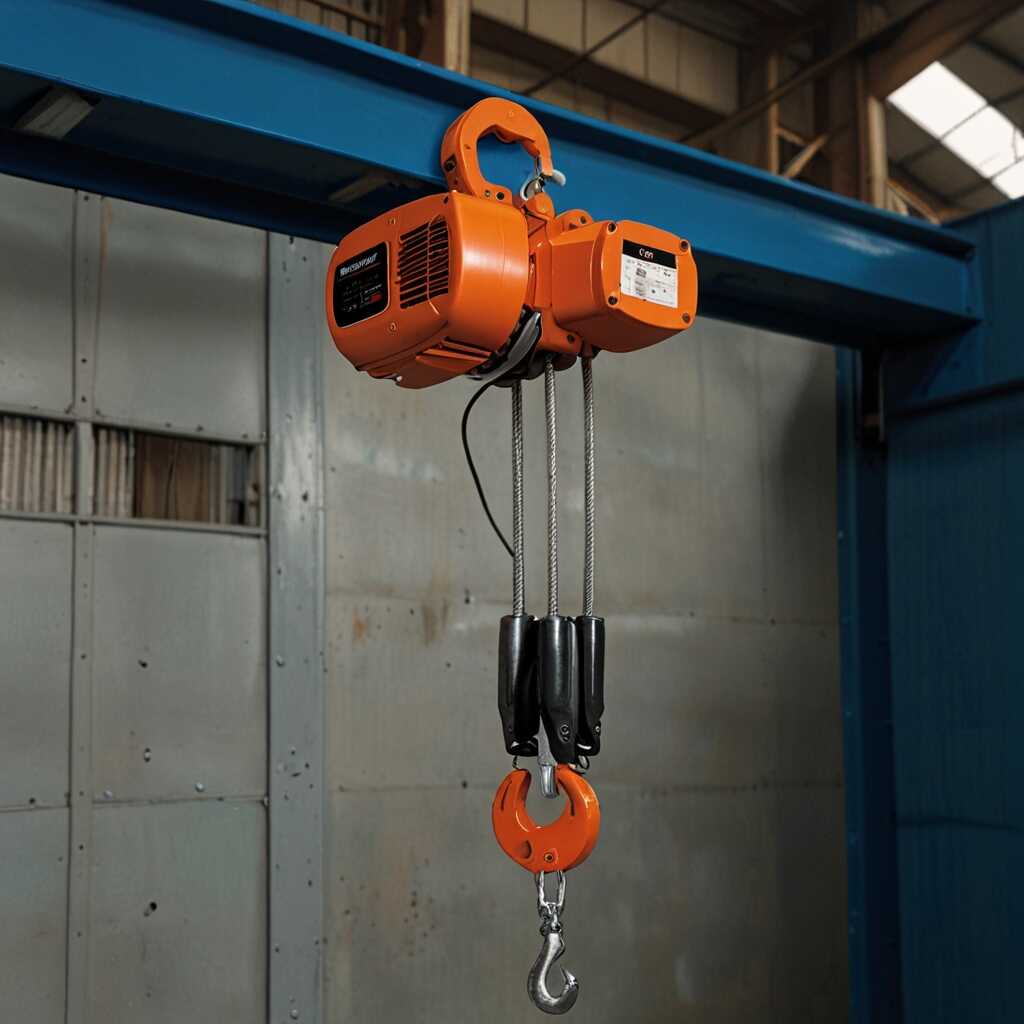
Industries such as construction, mining, and marine operations benefit significantly from IP rated electric hoists. These hoists enhance reliability and safety, especially when operating in wet or dusty environments. For instance, in a recent construction project, an IP rated electric hoist with an IP65 rating was used to lift heavy materials in rainy conditions. This ensured that the equipment remained operational and safe, minimizing downtime and preventing accidents. The durability and performance of these hoists were proven through rigorous testing, demonstrating their effectiveness in challenging scenarios.
Success Stories of IP Rated Hoists in Construction
In construction, a notable success story involves a major urban project where IP rated hoists were key. The project required lifting heavy concrete panels in a location prone to frequent rain. Hoists World provided IP67 rated electric hoists, ensuring they remained effective even when exposed to water and dust. Their high reliability reduced delays significantly and improved overall safety on site. The project manager noted that the hoists delivered excellent performance, contributing to timely project completion while ensuring the safety of the workers. This real-world application highlights how IP rated hoists can handle demanding conditions, combining durability with high performance.
Debunking Myths About IP Ratings in Hoisting Equipment
Many misunderstandings surround IP ratings in hoisting equipment. For instance, some believe that a higher IP rating always indicates better quality. In reality, the IP rating measures protection against water and dust, not the overall quality of the electric hoist. Another myth is that all hoists with the same IP rating perform identically. In truth, performance can vary depending on design and material used. It is essential to consider IP ratings specific to the environments where hoists operate. The minimum recommended IP rating for electric hoists used in wet or dusty conditions is IP65, ensuring they resist water jets and dust ingress effectively.
Understanding the Importance of IP Ratings in Hoist Selection
IP ratings are crucial for selecting electric hoists for challenging environments. Hoists must provide adequate water and dust protection to ensure reliability and performance. An IP rating of 65 means the hoist is completely dust-tight and can handle low-pressure water jets from any direction. This enhances the hoist’s durability and reduces maintenance needs. When choosing a hoist, consider your specific environment and the IP rating that meets those demands. Hoists World offers various options with different IP ratings dedicated to safety and effectiveness in diverse conditions.
Brands and Their Users’ Applications for Hoisting Equipment
- Tagline Hoists specialize in lightweight, portable solutions.
- Harrington Hoists are known for their strong overload protection features.
- Ingersoll Rand offers pneumatic hoists, ideal for explosive environments.
- Columbus McKinnon provides robust hoists with high load capacities.
- Construction crews often prefer electric hoists for fast lifting speed.
- Mines and quarries favor heavy-duty hoists for their tough conditions.
- Manufacturers look for reliability to avoid downtime during production.
Effective Maintenance Practices for IP Rated Electric Hoists
To ensure that IP rated electric hoists maintain their ratings, essential maintenance practices are vital. Regularly inspect and clean the hoists, focusing on seals and enclosures that protect against dust and moisture. Performing thorough visual inspections helps identify any wear or damage. Maintain proper lubrication of moving parts to enhance performance and prevent rust. The impact of environmental exposure is significant, as excessive dust or water can degrade hoist components over time. Schedule service every six months for units operating in harsh conditions. This servicing should include testing the IP rating to ensure continued compliance.
Best Practices for Cleaning and Inspecting Electric Hoists
Cleaning and inspecting electric hoists enhances their operational efficiency. Begin by using a soft brush or vacuum to remove dust from external parts. Focus also on areas near the motor and power cables. Use appropriate cleaning solutions designed for electric hoists, avoiding corrosive materials that can compromise reliability. After cleaning, inspect the seals for damage caused by environmental factors. Properly checking the electrical connections for corrosion helps ensure safety. Implementing these routines every three months will greatly improve the hoists’ durability and performance in challenging environments.