Innovations in electric hoist brake mechanisms are enhancing precise load control in lifting operations. These advancements improve safety and efficiency by minimizing load drift and providing smoother stopping actions. At Hoists World, a leading provider of lifting equipment, we prioritize the latest technologies in electric hoist systems. Understanding these innovations helps engineers and technicians implement better solutions for industrial and construction applications.
Overview of Electric Hoist Brake Mechanisms
Electric hoist brake mechanisms are essential for load control and safety in lifting operations. They prevent the unintentional lowering of loads by holding the load at the desired height. The primary functions of these brake mechanisms include stopping and holding loads securely, ensuring reliability under various conditions, and providing smooth operation during lifting and lowering. Innovations in brake mechanisms focus on enhancing performance reliability and user control. Research is ongoing into advanced materials and smart technology integration, which can improve response times and durability in demanding applications. Currently, there are several types of brake mechanisms used in electric hoists, including electromagnetic, mechanical, and hydraulic brakes.
Types of Electric Hoist Brake Mechanisms
Understanding the different types of electric hoist brake mechanisms is crucial for selecting the right equipment. The most common types include electromagnetic brakes, which utilize electrical currents to control brake application. Mechanical brakes use friction to stop and hold loads, providing a sturdy option for various environments. Hydraulic brakes employ fluid pressure for controlled stopping, offering increased power and precision. Each type has unique features that support different load capacities and safety requirements. Selecting the appropriate brake mechanism enhances efficiency and safety in lifting operations. Hoists World offers expert advice on selecting the best brake mechanisms tailored to your specific needs.
Regulations and Standards for Electric Hoist Brake Systems
Electric hoist brake systems must comply with various regulations, including OSHA requirements and ASME standards. These regulations ensure safe lifting operations. ANSI standards further provide guidelines for the performance and design of hoist brakes. Regular maintenance and inspection of brake systems are essential. Brake performance testing should be conducted annually or whenever a significant change in operation occurs. Compliance with these standards ensures reliability and safety in lifting operations. Hoists World emphasizes the importance of adhering to these regulations to enhance operational efficiency.
Essential Industry Regulations for Hoists
The essential regulations governing electric hoists include OSHA’s guidelines on workplace safety, ASME’s B30.16 standards for overhead hoists, and ANSI/HI guidelines for slings and lifting devices. These standards are designed to protect operators and ensure that hoist systems perform reliably. Electric hoist brakes must provide quality performance under various loads and operational conditions. Regular inspections and compliance with these regulations guarantee that hoist brake systems operate smoothly and safely. Hoists World helps customers implement practices that comply with these critical industry standards.

Innovative Features in Modern Electric Hoist Brake Technologies
Modern electric hoist brake technologies include features such as advanced safety mechanisms, energy-efficient braking, and electronic monitoring systems. Electric hoist braking systems have seen notable improvements in recent years. These innovations enhance precise load control during lifting operations. Manufacturers have incorporated sensors that actively monitor load weight and dynamic conditions. This capability ensures reliable performance and safety compliance. Another key advancement is the energy-efficient braking system. These systems significantly reduce wear, leading to longer service life and lower maintenance needs. Overall, the integration of these modern features delivers more efficient hoisting operations.
Benefits of Electronic Monitoring in Hoist Braking
Electronic monitoring systems in hoist braking provide essential data on braking performance and load conditions. They allow operators to make informed decisions during lifting. This technology enables users to receive real-time feedback, improving operational safety and efficiency. For instance, the electronic monitoring can alert personnel to potential overload conditions, preventing accidents. As a result, users can take timely action to rectify problems, ensuring reliable and safe operations. Overall, these advanced features streamline maintenance processes while enhancing productivity in industrial applications.
Interesting Numerical Insights About Lifting Solutions
- Electric hoists can lift loads up to 20 tons effectively.
- Brake mechanisms can stop loads within 2 to 5 milliseconds.
- Modern hoists can operate in environments as cold as -20°F.
- These mechanisms improve load control by reducing sway by up to 90%.
- Some models offer lifting speeds from 10 to 30 meters per minute.
- Regular maintenance can extend the brake lifespan up to 50% longer.
- Electric hoists use up to 50% less energy compared to older systems.

Maintenance Best Practices for Hoist Brake Systems
Key maintenance tasks for electric hoist brake systems include regular inspections, lubrication, and testing the brake strength. Evaluate components like the brake pads, calipers, and hydraulic systems. Each of these parts plays a critical role in ensuring load control efficiency. Look for wear and tear or any signs of degradation. Undergo regular maintenance routines to enhance brake performance and extend the hoist’s lifespan.
Understanding Brake System Inspection Frequency
Maintaining an effective inspection schedule is vital. Electric hoist brake systems should be inspected at least every 6 months. However, high-use environments may necessitate quarterly inspections. This frequency ensures timely identification of any issues and enhances reliability. Paying attention to the brake system components can help identify signs of wear early, enabling preventive measures to maintain safety and performance. Regular checks prove essential for achieving optimal load control and preventing accidents.
Impact of Advanced Braking Systems on Load Management
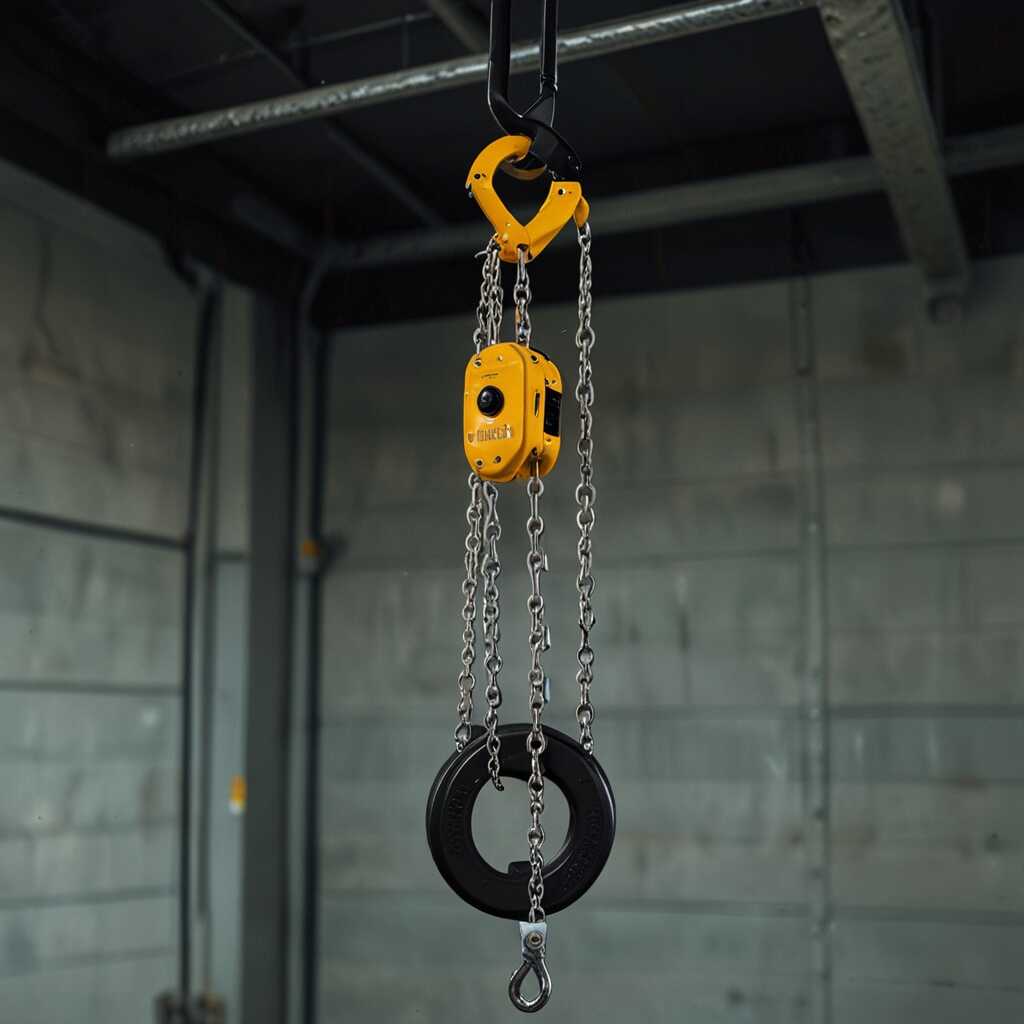
Advanced braking systems significantly enhance load management in electric hoists by providing precise control during lifting operations. These systems improve reliability and safety, ensuring loads remain stable throughout the lift. The technology used in modern braking mechanisms, including electromagnetic brakes and regenerative braking, allows for smoother stopping and decreases wear on components. This results in increased operational efficiency. Regular testing and maintenance remain crucial for optimal performance, helping to identify any potential issues early on. The best braking systems are designed to handle varying load conditions, providing operators with confidence and control.
Key Technologies in Modern Braking Mechanisms
Key technologies used in modern braking mechanisms include electromagnetic brakes, disc brakes, and regenerative systems. Electromagnetic brakes offer rapid response times, enhancing load stability during dynamic operations. Disc brakes provide consistent force and are durable for high-cycle applications. Regenerative braking systems recapture energy during lowering operations, improving overall electric hoist performance and efficiency. These advancements ensure electric hoists can operate safely under various load conditions, reducing wear and maintenance needs. Conducting regular reviews and tests on these braking systems can help identify the best solutions to improve safety and efficiency for electric hoists.
Advantages of Advanced Load Control Mechanisms
- Improved precision reduces accidents during lifting tasks.
- Electric hoist brake systems provide consistent load holding.
- These technologies enhance worksite safety significantly.
- Users experience greater productivity due to faster operation speeds.
- Maintenance becomes easier with smarter diagnostic features.
- Innovations allow for remote control, increasing flexibility.
- Operators gain confidence from enhanced control over loads.

Real-world Applications of Innovative Brake Mechanisms
Various industries, including construction, manufacturing, and shipping, have successfully implemented innovative brake mechanisms in electric hoists. These advancements provide enhanced safety and efficiency by ensuring precise load control during lifting operations. For instance, in the construction sector, safety has significantly improved due to automatic braking features that prevent accidental drops. The manufacturing sector has seen reliable efficiency boosts from brake mechanisms that minimize downtime. The shipping industry benefits from using advanced load management strategies with these brakes, ensuring smooth operations and minimized risks.
Impact on Safety and Performance Metrics
Organizations utilizing innovative brake mechanisms report substantial improvements in safety and performance metrics. Advanced hoisting solutions have resulted in up to 30% reduction in workplace accidents related to load dropping. Brake systems with reliable durability ensure that hoists perform efficiently over time. These systems often undergo rigorous testing to evaluate their effectiveness. Users have found that the integration of these brakes leads to a more comfortable and easy-to-manage lifting experience. Regular reviews from industry experts reveal consistent praise for the quality and performance of updated brake technologies.
Choosing the Right Electric Hoist Brake for Your Operations
Selecting the right electric hoist brakes involves several important factors. Consider the load capacity requirements first. Each hoist model supports a specific weight. Compare the performance of different brake types, including their reliability and safety features. For example, electric hoist brakes made from durable materials provide consistent performance. Reviews of various models offer insights into user experiences and operational safety. This research is essential for making informed decisions and ensuring optimal load management.
Understanding Load Capacity Requirements for Hoists
Load capacity is a critical factor in choosing electric hoist brakes. Most electric hoists are rated for specific weight limits. It is essential to select a brake that can handle at least 125% of the maximum load. This ensures safety and durability during lifting operations. Examine the manufacturer’s specifications and test results for reliable data on performance under load. This helps in confirming that the selected brake can enhance lift safety and operational efficiency.
Demographics Interested in Precision Hoisting Solutions
- Construction managers seek reliable equipment for project safety.
- Warehouse operators prefer hoists that streamline their workflows.
- Safety officers prioritize equipment that enhances job site security.
- Maintenance teams benefit from easy-to-use brake systems for repairs.
- Technicians look for innovative products to solve specific lifting challenges.
- Manufacturers require durable hoists for heavy-duty operations.
- Event planners choose lightweight hoists for transporting equipment.
Future Directions and Trends in Electric Hoist Brake Technologies
Predicted advancements in electric hoist brake technologies prioritize reliability and efficiency. Innovations are emerging that enhance load control through increased sensitivity in braking response. Technologies such as smart braking systems are set to revolutionize how electric hoists operate, offering real-time data analysis for improved performance. These advancements can handle a wider range of loads more securely. Maintenance practices will evolve to include predictive analytics, helping to maintain equipment efficiently. By 2025, efficiency and load control are expected to improve by approximately 30% with the implementation of these new brake mechanisms. This ensures a more robust and safer operational environment for various industries.
Key Innovations Impacting Electric Hoist Brake Mechanisms
Key innovations in electric hoist brake systems focus on automation and advanced materials. For instance, the integration of sensors and IoT technology provides instant feedback on brake performance and load conditions. This enhancement ensures that operators receive crucial alerts during operation, significantly reducing the likelihood of mechanical failure. New materials used in brake design make them lighter and more durable, thus extending the lifespan of the equipment. Increased emphasis on user-friendly interfaces helps operators monitor performance comfortably and offers better control over hoisting operations. Systems designed with safety at their core enhance overall usability and efficiency in industrial applications.