Understanding Chain Hoists vs Wire Rope Electric Hoists is crucial for making informed lifting decisions. This article delves into the key differences between these two types of electric hoists and their applications. At Hoists World, we provide expert guidance on selecting the right lifting equipment for your needs. Whether you require a chain hoist for efficient lifting or a wire rope hoist for heavy-duty tasks, we’re here to help you choose the best solution.
Overview of Chain Hoists and Their Applications
Chain hoists are designed for efficient lifting and material handling in various settings. Their primary features include robust construction, a lifting mechanism driven by a chain, and a high load capacity. Common applications span industries like construction, manufacturing, and maintenance, where precise lifting is required for heavy loads. Chain hoists can typically lift loads ranging from 1 to 10 tons, depending on the model and specifications. They provide reliable performance for tasks like loading and unloading materials or positioning heavy machinery, ensuring workplace efficiency.
Key Applications of Chain Hoists in Various Industries
Chain hoists find extensive use in construction sites for lifting steel beams and heavy tools, enhancing productivity. In manufacturing, they assist in moving bulky products along assembly lines, improving operational efficiency. Maintenance operators utilize chain hoists for equipment repairs by lifting machines safely, ensuring access to hard-to-reach areas. The load capacity of these chain hoists can significantly influence their utility; modern units handle loads between 1 and 10 tons. Hoists World offers a variety of chain hoists tailored to specific operational requirements, ensuring quality and performance that meet industry standards.
Insights on Wire Rope Electric Hoists and Usage
Wire rope electric hoists are known for their strength and reliability. They are designed for heavy-duty applications and can handle substantial loads, making them ideal for construction and industrial settings. The maximum lifting capacity of these hoists typically ranges from 1 ton to over 100 tons, depending on the model. This wide range ensures that businesses have options that meet their specific lifting needs. Wire rope electric hoists also undergo rigorous testing to ensure durability and performance. They provide enhanced operational efficiency and are often preferred for environments requiring high-capacity lifting solutions.
Understanding the Applications of Wire Rope Electric Hoists
Wire rope electric hoists are essential in industries where lifting heavy equipment or materials is necessary. Their robust design allows for smooth operation over long distances and high lifts. They excel in steel mills, warehouses, and manufacturing facilities. These hoists offer superior control and speed, enabling operators to work quickly and safely. Wire rope hoists can easily lift and position heavy loads, making them incredibly useful for tasks like transferring steel beams or heavy machinery. Selecting the right model ensures optimal performance and reliability in demanding environments, which is a key focus for companies like Hoists World, which provides expert guidance in equipment selection.
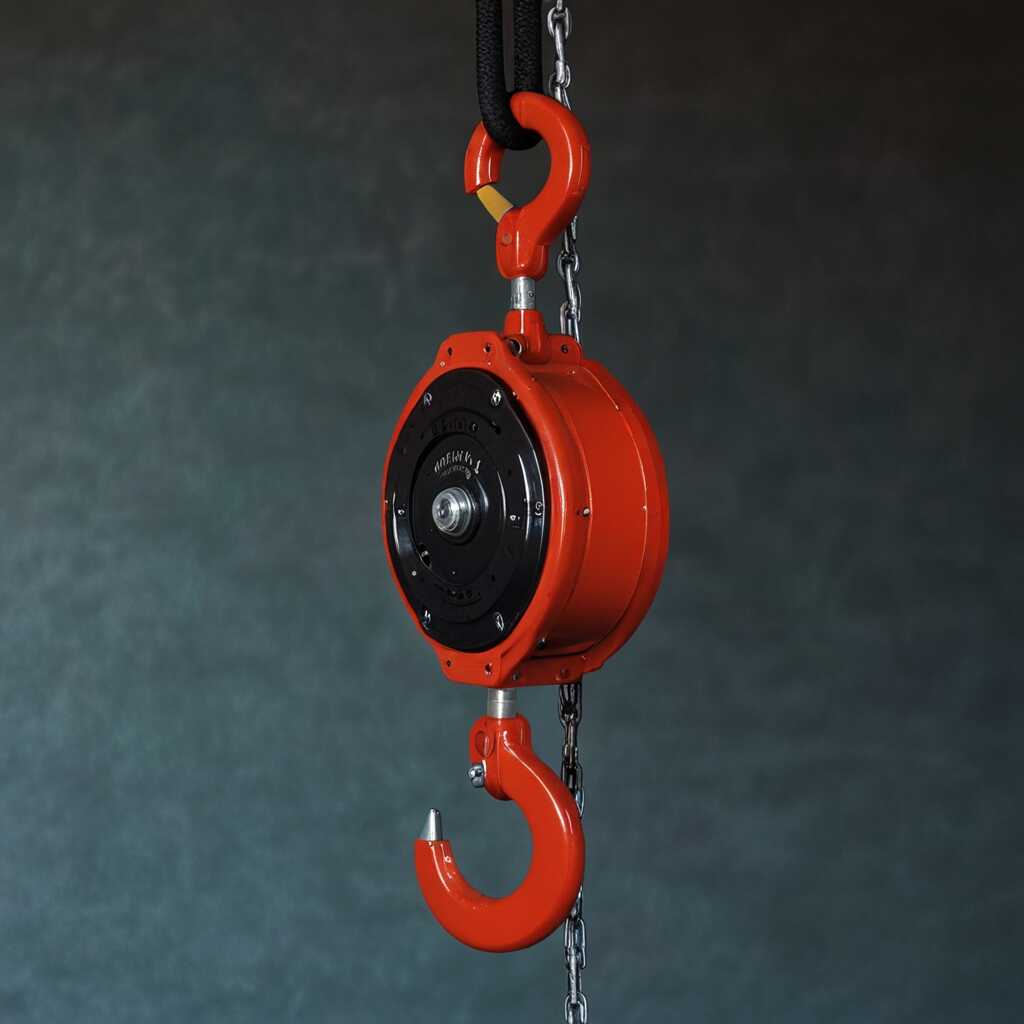
Comparing Lifting Capacities of Hoist Types
Chain hoists typically have lifting capacities ranging from 1 ton to 10 tons. These hoists are ideal for moderate loads in construction and maintenance. Wire rope electric hoists generally handle heavier loads, with capacities ranging from 1 ton up to 50 tons or more. When choosing between the two, consider the specific load requirements and operational environment. Chain hoists are more suitable for lighter loads and applications with limited power sources. In contrast, wire rope electric hoists excel in heavy-duty applications, offering reliability and performance in challenging conditions.
Understanding Load Limits and Best Applications
The maximum lifting capacity of standard chain hoists is usually around 10 tons, while wire rope electric hoists can effectively lift up to 50 tons in 2025. Chain hoists are best utilized in scenarios with limited power and lighter loads. They are often used in warehouses or places where overhead clearance is minimal. Wire rope electric hoists are designed for heavy loads, making them ideal for industrial settings and large construction projects. Their robust design ensures reliable lifting performance, enabling safety and efficiency.
Key Numeric Differences Between Lifting Devices
- Chain hoists typically lift loads up to 20 tons.
- Wire rope electric hoists can lift loads exceeding 50 tons.
- Electric hoists usually have lifting speeds ranging from 10 to 30 feet per minute.
- Chain hoists can achieve a lift height of 20 feet or more.
- Wire rope hoists can lift to heights of over 100 feet depending on the setup.
- The lifespan of a quality hoist can reach over 10,000 cycles.
- Electric hoists require an electrical supply, often between 220-480 volts.

Industry-Specific Applications for Chain Hoists
Chain hoists play a vital role in construction projects by helping lift heavy materials efficiently and safely. They are commonly used for tasks like lifting steel beams, hoisting heavy machinery, and moving materials to elevated work areas. Chain hoists provide exceptional reliability and stability, ensuring workers can perform their tasks without worry. They excel in industrial sectors such as automotive manufacturing, shipbuilding, and maintenance operations. In these sectors, chain hoists facilitate the assembly of large components, enabling precise positioning and greater efficiency during production. A typical chain hoist can handle loads ranging from 1 ton to over 100 tons, depending on the model and its design specifications. This range highlights their versatility and makes them essential for various applications.
Key Advantages of Chain Hoists in Heavy Lifting
Chain hoists are designed with multiple advantages that enhance their utility in heavy lifting. Their compact size and sturdy build allow them to operate in tight spaces while supporting significant weight, making them ideal for construction and industrial environments. Chain hoists offer easily adjustable lifting heights, which can adapt to specific project requirements, enabling flexibility during various tasks. Users appreciate their ease of use and fast operation, which helps improve overall project efficiency. Chain hoists also undergo rigorous testing and meet international safety standards, ensuring that they can handle the demands of heavy lifting while minimizing the risk of accidents. This reliability and performance make chain hoists a preferred choice for professionals seeking durable lifting solutions.

Common Settings for Wire Rope Electric Hoists
Wire rope electric hoists are highly effective in various industrial environments such as shipping, construction, and manufacturing. They excel in heavy-duty applications where they need to lift substantial loads. These hoists can handle capacities often exceeding 10 tons, making them ideal for warehouses and construction sites that require reliability and operational efficiency. Their design includes features that enhance durability and performance, ensuring they meet the demanding requirements in industries like mining and aerospace. Companies like Hoists World provide proven solutions, ensuring that customers can find wire rope electric hoists tailored to meet their lifting needs.
Key Industries Utilizing Wire Rope Electric Hoists
Wire rope electric hoists are essential in industries like construction, automotive, and manufacturing. In construction, they handle heavy materials like steel beams and concrete components. Their maximum lifting capacity often reaches 20 tons, facilitating lifting in high-rise construction projects. In automotive manufacturing, they improve efficiencies by swiftly moving components during assembly. The aviation sector relies on these hoists for heavy lifting during aircraft assembly. With their rugged construction and reliability, wire rope electric hoists enhance productivity across various sectors, proving invaluable for operations that require consistent performance.
Advantages of Each Hoisting Method
- Chain hoists are easy to operate and maintain.
- Wire rope electric hoists provide faster lifting and heavier load capacity.
- Both hoists require minimal training for basic operation.
- Chain hoists work well in tight spaces and require less vertical clearance.
- Electric hoists offer precise control for heavy lifting tasks.
- Both can enhance workplace safety when used correctly.
- Chain hoists are portable, allowing for easy transport across job sites.

Key Safety Features in Hoisting Equipment
Chain hoists offer essential safety features such as overload protection, which prevents lifting beyond their load capacity. Wire rope electric hoists also provide similar safety benefits, including emergency stop switches and limit switches. Both types of hoists should adhere to industry safety standards such as ASME and OSHA, ensuring reliability and performance. Regular testing and inspection enhance safety, reducing potential hazards during operations. Reviews from users help assess performance and safety, leading to better decision-making when choosing lifting equipment.
Understanding Compliance Standards for Hoists
Compliance with standards is critical when selecting lifting equipment. Chain hoists often comply with ANSI/ASME standards, ensuring reliable load handling and safety. Wire rope electric hoists must meet similar regulations for operational safety. By focusing on safety features such as emergency stop mechanisms and load limiters, operators can effectively manage risks during use. Equipment inspections that verify compliance can enhance overall workplace safety by identifying potential issues before they become critical. Hoists World emphasizes the importance of choosing equipment that meets these essential safety standards.
Essential Maintenance Guidelines for Hoist Performance
Maintenance is crucial for enhancing the performance and durability of chain hoists and wire rope electric hoists. Best practices include regular inspection of all parts, such as hooks, chains, and electrical components. Users must also adhere to a consistent maintenance schedule based on manufacturer guidelines. Regular checks help identify any wear or damage early. Testing load limits occasionally is vital for ensuring hoists can handle expected workloads safely. Proper maintenance not only improves efficiency but also greatly enhances the lifespan of the equipment, promoting reliability in heavy lifting operations.
Key Inspection and Testing Elements for Hoists
Regular inspection and testing of hoist components are essential for safe operation. Focus on the hooks, chains, and wire rope for signs of wear or damage. Check for deformities in hooks, fraying in wire rope, and signs of corrosion. Electrical components should be tested for functionality and safety. Upkeep of these elements ensures that hoists remain in optimal working condition. By conducting thorough inspections, users enhance the durability and reliability of their equipment, preventing costly breakdowns and enhancing performance longevity.
Use Cases and Key Demographics for Hoisting Solutions
- Construction workers often utilize chain hoists for daily tasks.
- Manufacturing facilities frequently rely on wire rope hoists for heavy machinery.
- Event planners use portable hoists for rigging structures.
- Chain hoists suit small-scale projects needing manual operation.
- Industrial warehouses benefit from electric hoists for loading and unloading.
- Maintenance teams utilize both types in equipment repairs and installations.
- Safety professionals advocate for proper training in all hoisting applications.
Guidance for Choosing the Right Hoist for Your Needs
When selecting between chain hoists and wire rope electric hoists, consider several critical factors. The first is your lifting application. If you’re lifting heavier loads and need long lift heights, wire rope hoists are often the best option. They provide robust performance and higher capacities. For lighter loads and shorter lifts, chain hoists are usually more suitable. Reliability is essential; verify equipment by reviewing testing data and user reviews. Evaluate safety features as well. Ensure the hoist complies with OSHA regulations and has undergone rigorous safety testing. Consider factors like efficiency and ease of use to enhance your operations.
Common Applications for Chain Hoists and Wire Rope Hoists
Chain hoists are commonly used in environments like warehouses or workshops where the lifting needs are moderate. They are ideal for lifting tools, equipment, or construction materials, providing easy maneuverability. In contrast, wire rope hoists excel in heavy-duty applications such as construction sites, factories, or shipping yards. They are designed to handle substantial weight and extensive lift heights. With a high load capacity, wire rope hoists are often necessary for lifting heavy machinery and industrial equipment. Using this information, you can select the right hoist to achieve effective lifting performance.