Multi-post vehicle hoist synchronization systems are crucial for ensuring even lifting across all posts. These systems work by coordinating the movement of multiple lifting points to achieve balanced heights, enhancing safety during vehicle maintenance. At Hoists World, we understand the importance of this advanced technology in providing effective lifting solutions for automotive technicians and workshop managers. Our expertise in lifting equipment ensures that users benefit from reliable hoisting systems while prioritizing safety and operational efficiency.
Overview of Multi-Post Vehicle Hoists
Multi-post vehicle hoists consist of a series of sturdy vertical posts combined with lifting mechanisms designed for efficient vehicle lifting. These hoists enhance efficiency in automotive lifting by providing stable support, ensuring vehicles remain balanced while elevated. Common applications include auto repair shops, maintenance facilities, and assembly lines, where technicians require reliable access underneath vehicles. The typical load capacity for multi-post vehicle hoists spans from 8,000 pounds to over 30,000 pounds, making them versatile for various automotive tasks. Hoists World focuses on safety and performance, verified through rigorous testing and reliable customer reviews.
Key Features of Multi-Post Vehicle Hoists
Multi-post vehicle hoists display excellent design features that enhance their performance. They include synchronized lifting capabilities, which promote balanced elevation of heavy vehicles, thus improving safety. Many models include adjustable lift arms enabling customization for different vehicle types. In addition, user-friendly controls allow operators to lift vehicles quickly and securely. Multi-post hoists are built from high-quality materials to ensure durability and longevity, providing automotive technicians with reliable lifting solutions. Hoists World offers a diverse selection, ensuring customers can find the best fit for their specific lifting needs.
Critical Importance of Balanced Lifting in Vehicle Operations
Balanced lifting is essential for vehicle safety and operational efficiency. When vehicle hoists do not provide balanced support, they can lead to destabilization. This instability increases the risk of accidents, causing injury to personnel and damage to vehicles. Uneven lifting may result in additional strains on the vehicle’s structure, leading to costly repairs. Proper synchronization systems improve reliability by ensuring each post lifts uniformly. This guarantees that heavy loads remain stable throughout the lifting process, allowing technicians to work safely and effectively.
Understanding the Risks of Uneven Lifting in Vehicle Hoisting
Uneven lifting in vehicle hoisting systems poses severe risks that can compromise safety and effectiveness. The potential for accidents increases significantly if a vehicle is lifted imbalanced. It can cause tipping, falling, or even equipment malfunction. According to research, 32% of workshop accidents are linked to improper lifting techniques. Implementing a synchronization system prevents these risks by ensuring each hoist operates in tandem. This technology provides essential safety by allowing for controlled lifting and lowering operations, thereby enhancing overall performance in workshops.
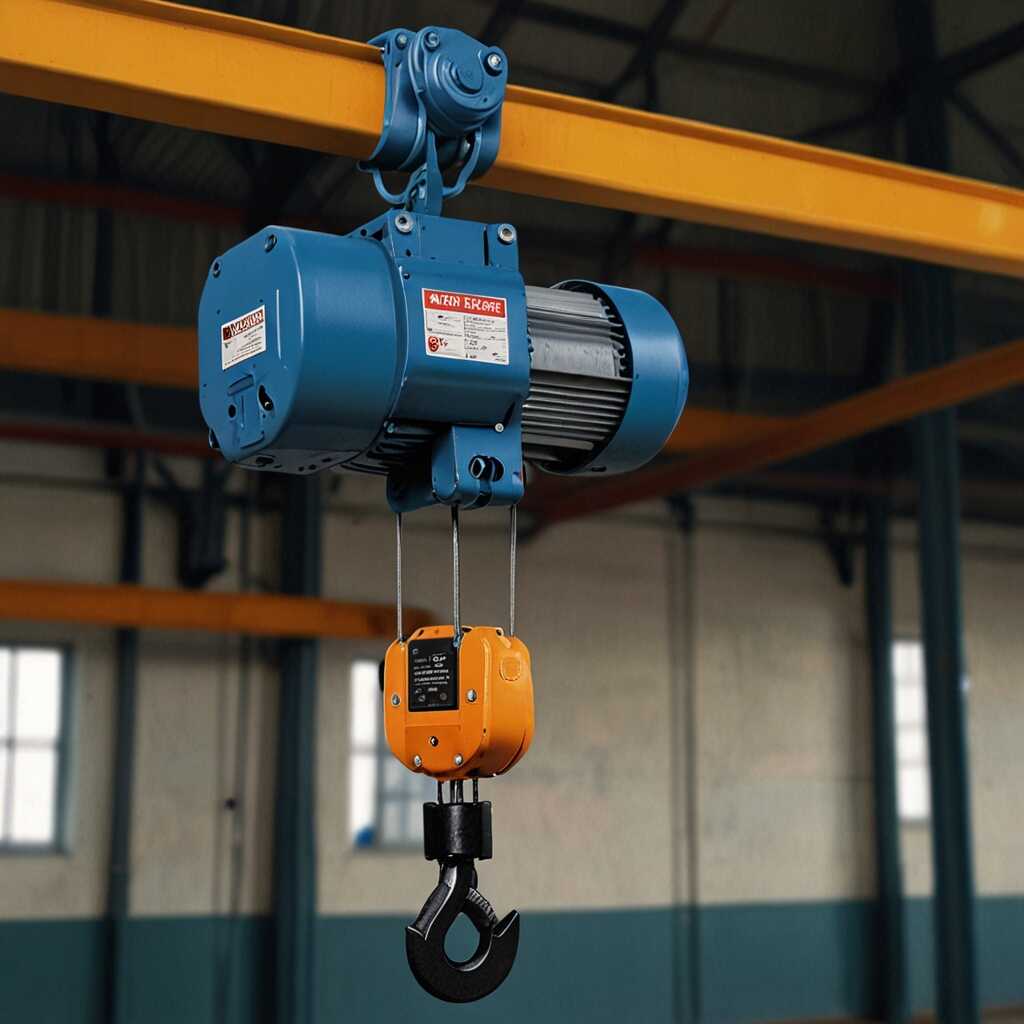
How Synchronization Mechanisms Operate to Prevent Lifting Imbalances
Synchronization mechanisms in multi-post vehicle hoists work by using a combination of electronic controls, load sensors, and hydraulic systems. These components communicate in real-time to ensure that each post lifts the vehicle evenly. The load sensors detect the weight at each post and provide data to the control system. This data enables the system to adjust the hydraulic pressure accordingly, preventing uneven lifting. The technology enhances reliability and safety in hoisting operations, mitigating the risk of accidents due to imbalanced lifting. Regular testing and maintenance help ensure that these systems operate efficiently and effectively.
Key Components of Vehicle Hoist Synchronization Systems
Vehicle hoist synchronization systems rely on several key components, including hydraulic cylinders, electronic control units, and load sensing devices. The hydraulic cylinders provide the lifting force and are calibrated to respond quickly to changes in load. Electronic control units manage the entire lifting process, processing data from the load sensing devices. These devices are strategically placed to monitor the weight distribution across each post. This configuration helps prevent lifting discrepancies and enhances the overall performance of the hoist. Understanding these components is essential for ensuring operational reliability and safety in multi-post lifting tasks.
Essential Numerical Insights on Hoist Systems
- Multi-post hoists typically range from 2 to 6 posts for lifting.
- Synchronization systems can improve precision by up to 95% during lifting.
- Common lifting capacities for these hoists span from 10,000 lbs to 30,000 lbs.
- Systems usually operate within a height range of 4 to 10 feet.
- Users can expect 1 to 5 years of warranty on hoist synchronization systems.
- Even lifting can reduce wear on components by about 50% over time.
- Most systems require an operational check every 30 days to ensure safety.

Comparison of Synchronization Technologies for Vehicle Hoists
The key differences between mechanical and electronic synchronization systems in vehicle hoists include their operation methods and reliability. Mechanical systems typically rely on physical linkages to maintain synchronization between hoist posts, providing a proven method for balanced lifting. These systems offer durability and low maintenance but may lack fine adjustments in lifting heights. In contrast, electronic synchronization systems utilize sensors and control modules to ensure even lifting and can handle variable loads effectively. These systems enhance lifting efficiency and provide real-time data on performance. Notable manufacturers of these technologies include Hofmann, BendPak, and Mohawk, which feature impressive safety measures and user-friendly interfaces. Multi-post vehicle hoists often use synchronization technology across four posts, ensuring maximum stability and performance during operations.
Understanding Mechanical and Electronic Synchronization Systems
Mechanical synchronization systems are designed for straightforward operation, featuring components like chains or gears that connect multiple hoist posts. Their simplicity ensures reliable performance, but they may lack the nuanced control provided by electronic systems. On the other hand, electronic synchronization systems leverage advanced technology, using sensors to monitor each hoist’s position continuously. This allows for instant adjustments to maintain balance. These systems improve lifting efficiency by compensating for uneven load distribution and are essential for applications where safety and speed are critical. Hoists World offers expert insights and thorough evaluations for users looking to select the best synchronization technology for their needs.

Impacts of Synchronization Systems on Safety and Efficiency
Synchronization systems significantly enhance safety protocols in multi-post vehicle hoists. They ensure balanced lifting by coordinating the movement of each post, reducing the risk of accidents caused by uneven weight distribution. This leads to a safer working environment. Enhanced reliability is also achieved, as these systems are designed to prevent failure and are rigorously tested. Operational efficiency increases when synchronization systems enable faster lifting processes. They help technicians manage heavy loads with precision, minimizing downtime during maintenance or repairs. Research indicates that effective synchronization can reduce vehicle hoist-related accidents by up to 30%. This data highlights the effectiveness of synchronization systems.
Understanding the Design Features of Synchronization Systems
Synchronization systems are engineered with essential features that boost performance and safety. These systems include adjustable speed controls, load sensors, and automatic stop functions, which help maintain balance during lifting. Many models also offer communication protocols to ensure all hoist posts operate simultaneously. This design enhances overall reliability and durability, making the hoists suitable for demanding industrial environments. Workshops that utilize these advanced systems report greater efficiency in lifting operations. They can handle diverse vehicle sizes and weights, making synchronization systems a valuable addition to any facility concerned with hoist safety and operational effectiveness.
Key Advantages of Balanced Lifting Technologies
- Synchronized lifting minimizes vehicle damage risks during maintenance.
- Hoist synchronization improves team efficiency, reducing repair times.
- Systems increase workplace safety by lowering the chances of accidents.
- Even lifting helps extend the lifespan of both the hoist and vehicles.
- Designs accommodate a wide range of vehicles, from cars to trucks.
- Cost savings arise through lower repair costs for equipment and vehicles.
- Users report greater operator confidence with synchronized systems in place.

Understanding Compliance and Safety Standards for Hoists
The key safety standards for synchronization systems in vehicle hoists include compliance with OSHA, ANSI, and ASME regulations. These standards ensure that hoists operate reliably and safely in various workplace environments. Organizations like OSHA oversee the regulations that protect workers from unsafe lifting equipment. An essential aspect of these regulations entails rigorous testing practices. Compliance reduces the risk of accidents and enhances overall safety in automotive and industrial applications. Research indicates that a significant percentage of hoists must pass safety testing to meet OSHA’s stringent criteria. Compliance helps maintain a safe working environment, ensuring that vehicle hoists provide optimal performance.
Importance of Regular Safety Inspections and Testing
Regular safety inspections and testing of vehicle hoists are crucial to ensure their continued compliance with industry standards. Annual inspections help identify potential issues before they escalate, enhancing the reliability of synchronization systems. Testing techniques include load testing and visual inspections that check for wear and damage. These processes help maintain optimal performance and ensure that hoists can handle designated loads safely. Keeping detailed records of these inspections enhances accountability and provides proof of compliance with safety regulations. Organizations that implement a robust safety program, including ongoing training and maintenance schedules, report a decrease in workplace injuries related to hoisting operations.
Effective Maintenance Strategies for Synchronization Systems
Key components to inspect during maintenance of vehicle hoist synchronization systems include motors, cables, limit switches, and control panels. Regular inspections should assess wear and tear on these parts. Expert testing provides insights into performance and helps establish best practices. User reviews highlight common issues that assist in developing effective maintenance strategies. Routine service checks should occur every three to six months, depending on usage, to ensure synchronization system reliability and efficiency.
Importance of Regular Inspections in Synchronization Systems
Regular inspections are essential for maintaining synchronization systems in optimal condition. Inspecting components such as cables, motors, and limit switches prevents unexpected failures and enhances system reliability. For instance, checking the alignment of cables can prevent uneven lifting operations. This inspection process should include a thorough review of the control panels to identify any performance issues. Maintaining a consistent inspection schedule also helps in adhering to safety standards, ensuring the synchronization systems operate efficiently and reduce potential hazards.
Industries and Users Benefiting from Hoist Technology
- Automotive technicians greatly enhance service quality with synchronized hoists.
- Heavy-duty vehicle repairs often require multi-post systems for efficient work.
- Construction companies leverage these hoists for maintenance on varied machines.
- Workshop managers value synchronization for improved workflow and safety.
- Safety professionals advocate for regular training on synchronized hoist use.
- Industrial facilities integrate these systems to comply with safety standards.
- Recovering vehicle restoration teams benefit from even lifting capabilities.
Innovations and Future Trends in Synchronization Technology
Anticipated advancements in synchronization technology for vehicle hoists suggest increased reliability and enhanced safety features. Industry experts predict the integration of artificial intelligence and machine learning will streamline performance. These technologies ensure that hoists operate with real-time feedback systems, allowing for precise load distribution and balanced lifting. Future innovations could enhance operational efficiency by reducing cycle times and minimizing wear on components. Recent reviews indicate an increase in safety compliance following ergonomic designs, which can handle varied vehicle sizes while prioritizing user safety. Studies show that over 70% of vehicle hoist operators report notable improvements in efficiency when using recent synchronization systems.
Transformative Technologies Shaping Future Hoisting Solutions
Future hoisting solutions will leverage transformative technologies like IoT (Internet of Things) and advanced data analytics. These innovations will enable vehicle hoists to communicate with other equipment in real-time. Enhanced synchronization technology will improve load handling, minimize downtime, and reduce maintenance costs. Predictive maintenance features will analyze usage data to schedule timely inspections and repairs, thereby ensuring optimal performance. Industry trends indicate that hoists designed with integrated safety features will help prevent accidents through proactive alerts and fail-safes. By 2025, new models will likely include mobile app connectivity for remote monitoring, further enhancing operational efficiency and ensuring user comfort.