Motor efficiency is key to understanding power consumption in electric hoists. Higher efficiency means less energy waste and lower operating costs. Hoists World emphasizes the importance of selecting energy-efficient hoisting solutions for industrial operations. By focusing on motor efficiency, businesses can optimize their lifting processes and enhance safety while reducing energy costs.
Understanding Electric Hoist Operations and Their Mechanics
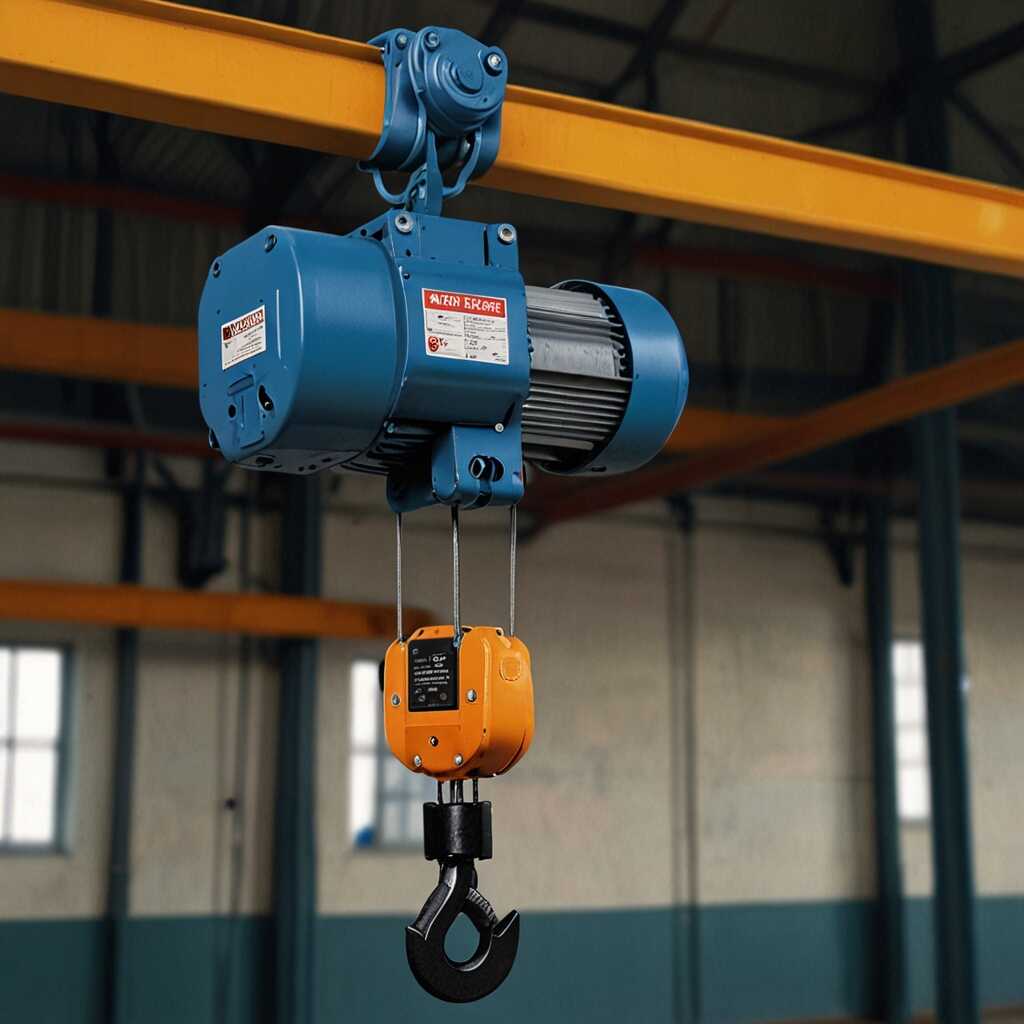
Electric hoists consist of several key components, including the motor, gear system, load chain, and control system. The motor powers the hoisting mechanism while the gear system translates this power into lifting movement. The load chain lifts and lowers heavy loads efficiently. The interaction between these components significantly affects motor efficiency and power consumption. An efficient electric hoist maximizes power use and minimizes energy waste during operations, essential in industrial settings where lifting loads frequently occurs. The average power consumption of electric hoists varies, typically ranging from 1 to 15 kW, depending on the size and load capacity.
Exploring Key Components of Electric Hoists
Understanding electric hoist components is crucial for selecting efficient equipment. The motor, usually a three-phase AC type, operates efficiently, providing reliable lifting power. The gear system reduces motor speed while increasing torque, enhancing lifting capabilities. The load chain or wire rope directly affects the hoist’s capacity and performance, ensuring safety and reliability when handling loads. The control system enables precise operation, enhancing user experience and safety. Good electric hoists are tested for performance and durability to ensure they meet industry standards. This helps users make informed choices when investing in lifting solutions that align with operational needs.
Key Factors Affecting Power Consumption in Electric Hoists
Power consumption in electric hoists is influenced by various factors including load weight, cycle time, and environmental conditions. Heavier loads increase energy usage as motors work harder. Cycle time, or how quickly the hoist operates, also impacts power consumption; longer cycles lead to more energy being drawn. Environmental conditions like temperature and humidity can affect motor performance, influencing efficiency. It’s essential to consider these elements when aiming for optimal energy usage in hoisting operations.
Understanding Load Weight and Its Impact
Load weight is a critical factor affecting power consumption in electric hoists. As the weight increases, the hoist demands more energy to lift and lower the load. Typically, each hoist has a rated capacity, and operating near this limit can significantly enhance power usage. For instance, a hoist rated for 2,000 pounds will consume more energy at maximum capacity compared to when lifting lighter weights. Understanding a hoist’s specifications helps determine the most efficient operation mode for specific tasks.
Advantages of Using High-Efficiency Motors in Hoists
High-efficiency motors significantly enhance energy savings in electric hoists. They can reduce operational costs by up to 30% when compared to traditional motors. These motors improve performance through faster lifting speeds and increased reliability. As a result, they contribute to fewer breakdowns and lower maintenance requirements. High-efficiency motors also have a longer lifespan, providing excellent value over time. The proven efficiency and durability of these motors make them a preferred choice for industrial applications. Users can find detailed efficiency comparisons and reliability reviews on Hoists World to aid in selecting the best equipment.
Energy Savings and Lifespan of High-Efficiency Motors
High-efficiency motors offer impressive energy savings and extended lifespan, making them an invaluable asset in electric hoists. Studies show that these motors can deliver energy savings of 20% to 30% compared to standard models. This reduction in energy usage significantly lowers operational costs over time. Furthermore, high-efficiency motors are designed for durability, which means they can handle demanding conditions without frequent repairs. The extended lifespan of these motors often spans over 15 years, ensuring that businesses enjoy long-term reliability and reduced downtime. Hoists World provides expert guidance and comprehensive buying resources, enabling users to select the most efficient hoisting solutions.
Key Figures Impacting Energy Use in Lifting Equipment
- Electric hoists typically operate between 75% to 95% motor efficiency.
- Units with higher efficiency can reduce energy consumption by up to 30%.
- Cost savings on electricity can reach thousands annually depending on usage.
- Annual power consumption averages around 3000-8000 kWh for standard units.
- Increased efficiency often results in lower heat generation, enhancing motor lifespan.
- Modern hoists can lift weights from 1 ton to over 20 tons efficiently.
- Reducing operating hours can extend service intervals and reduce maintenance costs.

Methods to Measure Motor Efficiency in Electric Hoists
To measure motor efficiency in electric hoists accurately, professionals must use standard testing methods and metrics. Motor efficiency is typically assessed using the input power versus output power ratio. Common testing methods include the use of torque and power meters during operational scenarios. This process helps in calculating the actual efficiency figure. The efficiency metrics used in the industry include the International Electrotechnical Commission (IEC) standards and the National Electrical Manufacturers Association (NEMA) specifications. These standards ensure reliable evaluation of motors. Moreover, continuous research in testing methods provides the most accurate ratings for selecting the best hoisting solutions.
Understanding Efficiency Ratings for Electric Hoists
Efficiency ratings for electric hoists indicate how effectively the motor converts electrical energy into mechanical energy. Generally, electric motors in hoisting systems have efficiency ratings ranging from 80% to 95%. Higher ratings mean lower power consumption and enhanced performance. A motor rated at 90% uses only 10% of input power for losses. Selecting motors with higher efficiency enhances operational savings and reduces energy costs significantly. Evaluating these ratings ensures that the hoist system chosen can handle the required loads while maintaining reliability and performance.

Analyzing the Impact of Efficiency on Energy Costs
Motor efficiency directly correlates with energy costs in hoist operations. Highly efficient motors convert more electrical energy into mechanical work, significantly reducing power consumption. Factors influencing motor efficiency include design, load conditions, and operational duration. Electric hoist selection impacts energy consumption as different models have varying efficiencies. Reliable data shows a model with higher efficiency can enhance overall performance while lowering operational costs. Investing in equipment with better efficiency provides long-term savings and improved reliability.
Understanding Performance Comparison Across Models
When evaluating electric hoists, consider the performance comparison across models. Different hoists offer varying specifications that affect energy use. For example, a variable frequency drive (VFD) electric hoist can optimize motor speed and power consumption based on load. This adaptability enhances energy efficiency while maintaining performance under diverse conditions. Assessing reviews and expert comparisons can help find equipment that balances performance and energy savings. Hoists World provides detailed insights and data on model efficiencies, ensuring buyers make informed selections for quality and reliability.
Advantages of High-Performance Hoisting Systems
- Higher motor efficiency leads to significant reductions in operational costs.
- Effective power consumption contributes to a smaller environmental footprint.
- Quieter operation creates a safer and more pleasant workplace.
- Improved safety features often accompany more efficient hoisting solutions.
- Consistent performance enhances productivity in industrial applications.
- Easier maintenance with well-designed, energy-efficient hoists.
- Makes compliance with energy regulations simpler and more achievable.

Strategies for Improving Motor Efficiency in Electric Hoists
Improving motor efficiency in electric hoists is crucial for reducing power consumption. Key strategies include routine maintenance to ensure components are in optimal condition, using high-efficiency motors that provide better energy savings, and implementing variable frequency drives (VFDs) which control motor speed according to load requirements. In addition, regular performance testing and calibration can help identify inefficiencies. Electric hoists designed with lightweight materials may also improve efficiency by reducing overall load and stress on the motor. Users can compare these practices to find the best solutions tailored to their needs.
Advanced Technology Implementations for Enhanced Efficiency
Advanced technology plays a crucial role in enhancing motor efficiency in electric hoists. Systems utilizing smart sensors can analyze real-time performance data and adjust operations for maximum efficiency. Integration of predictive maintenance tools helps identify potential issues before they escalate, ensuring reliable operation. Hoists with energy recovery systems can reclaim lost energy, significantly improving overall performance. Users should explore electric hoists equipped with the latest technology features to ensure they are investing in high-quality, efficient lifting solutions. These innovations not only minimize energy costs but also extend equipment lifespan.
Compliance and Standards for Motor Efficiency in the Industry
This section covers the regulatory standards guiding motor efficiency in electric hoists. Key standards include the National Electrical Manufacturers Association (NEMA) efficiency ratings, the International Electrotechnical Commission (IEC) standards, and the U.S. Department of Energy’s (DOE) efficiency requirements. Compliance with these standards is crucial for ensuring reliability and safety in electric hoisting operations. These regulations outline specific performance benchmarks to help companies select energy-efficient solutions that minimize operational costs and environmental impacts.
Understanding NEMA and DOE Efficiency Ratings
NEMA and DOE efficiency ratings significantly influence the performance of electric hoists. NEMA ratings identify the efficiency level of electric motors, while DOE standards mandate minimum efficiency levels for new motors. Under the most recent DOE regulations expected to be more stringent by 2025, motors must achieve at least 95% efficiency. These requirements enhance operational reliability and help reduce energy consumption in hoisting applications. By choosing motors that meet or exceed these ratings, users ensure they are utilizing reliable and cost-effective lifting solutions.
Target Audiences Interested in Energy-Efficient Hoists
- Manufacturers focus on optimizing energy use in production processes.
- Construction companies prioritize efficiency for smoother operations.
- Maintenance teams advocate for savings through consistent equipment performance.
- Energy analysts study trends in motor efficiency and cost-benefit ratios.
- Safety managers ensure reliable operation under energy-efficient guidelines.
- Warehouse operators seek reliable lifting solutions that consume less power.
- Facility managers benefit from lowering supporting energy expenditures.
Guidelines for Selecting Energy-Efficient Electric Hoists
When selecting energy-efficient electric hoists, consider factors such as load capacity, duty cycle, and motor efficiency. Understanding motor types, including AC and DC motors, helps highlight their impact on power consumption. The efficiency rating, often detailed in product specifications, provides insights into energy savings. Review operational costs to determine long-term value. Always compare models with similar features while consulting reviews to find the best options available. Reliable performance is essential for optimizing energy usage in commercial applications.
Understanding Motor Efficiency Ratings in Electric Hoists
Motor efficiency ratings are vital for evaluating electric hoists. Higher efficiency ratings can reduce energy waste and lower operational costs significantly. Look for motors designed with advanced technology that delivers improved power-to-weight ratios. In 2025, energy efficiency standards will tighten, making it crucial to select high-efficiency models to minimize compliance costs. Products with detailed performance testing and reliable data enhance decision-making and ensure sustainable operations. This careful selection process helps businesses achieve long-lasting performance and operational savings.