The “Impact of Mechanical Advantage Ratios on Hoist Safety Practices” explores how these ratios affect workplace safety. Understanding mechanical advantage is crucial for safe lifting operations. Hoists World provides expert insights on selecting and maintaining hoisting equipment to enhance user safety. This article aims to help industrial workers and safety managers implement best practices in hoisting operations.
Defining Mechanical Advantage and Its Role in Hoists
Mechanical advantage is a key concept in hoisting operations. It refers to the ratio of the load lifted to the effort applied. A higher mechanical advantage means less effort is needed to lift heavy loads. Understanding this concept helps in designing safe lifting systems. Different hoist types, such as electric and manual chain hoists, have different mechanical advantage ratios. This variation impacts lifting capabilities and user safety. By selecting the right hoist based on load capacity handling, you can significantly enhance operational safety.
Importance of Mechanical Advantage Ratios for Safe Hoisting
Mechanical advantage ratios play a vital role in ensuring user safety during hoisting. For instance, a well-designed hoist can provide a mechanical advantage ratio of 5:1 or higher. This means that for every unit of effort, the hoist can lift five units of weight. Electric chain hoists typically offer higher ratios and faster lifting speeds, making them ideal for heavy loads. Understanding these ratios helps operators select equipment that adheres to safety regulations. This selection ensures that all lifting equipment works reliably, enhances safety, and reduces the risk of accidents. Hoists World provides expert guidance for selecting the right hoist, ensuring you choose reliable solutions tailored to your needs.
The Link Between Mechanical Advantage Ratios and User Safety
Mechanical advantage ratios significantly affect risk levels during hoisting operations. A proper understanding enhances user safety by allowing workers to lift loads efficiently and safely. For example, using a mechanical advantage ratio of 4:1 can reduce the operational load experienced by the user to one-fourth of the actual weight of the object being lifted. Industries such as construction and manufacturing find that understanding these ratios is essential. Proper ratios can lower risks related to equipment failure, worker strain, and dropped loads. Research indicates that following best practices can lead to an average risk reduction of up to 40% during lifting tasks.
Best Practices for Optimizing Mechanical Advantage Ratios
To optimize mechanical advantage ratios, workers must select the right hoisting equipment designed for their specific tasks. This includes understanding the load requirements and environmental conditions to choose equipment that can handle the weight safely. For example, electric chain hoists offer great efficiency for heavy loads while manual hoists might be used in areas without power. Utilizing this knowledge enhances safety and reliability at the workplace. Regular training on these practices ensures all workers can operate hoists effectively, further reducing the risk of accidents. Safety managers should prioritize comprehensive training programs that emphasize the importance of mechanical advantage ratios to improve workplace safety significantly.
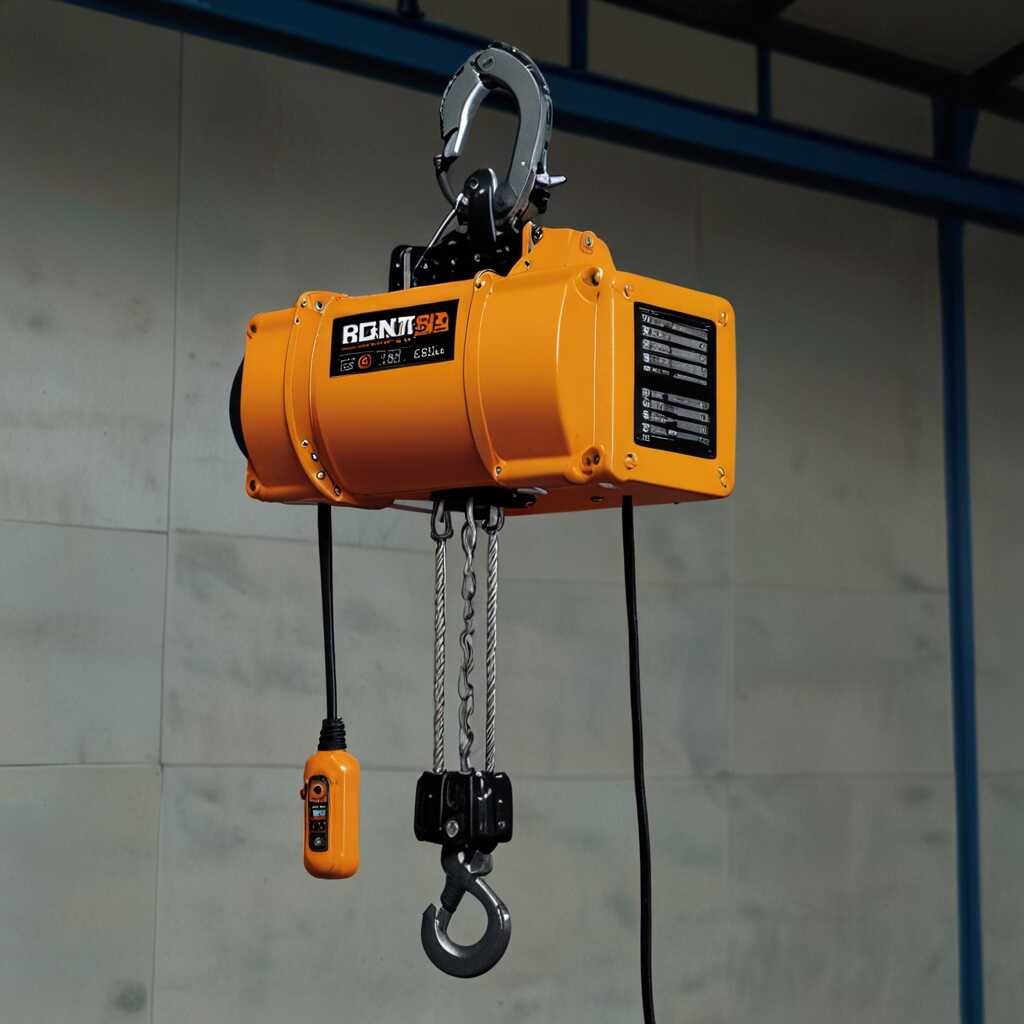
Guidelines for Selecting Hoists with Optimal Mechanical Advantage
Selecting a hoist with the appropriate mechanical advantage ratios is critical for achieving safe lifting operations. Consider factors such as load capacity, lift height, and environmental conditions when choosing a hoist. For example, electric chain hoists are efficient for heavy loads, and manual chain hoists can handle lighter tasks without power access. Hoisting equipment like lever hoists and wire rope hoists offer varying ratios and applications tailored to specific needs. Understanding these components enhances user safety and ensures reliable lifting performance.
Understanding Load Requirements and Performance
Determining the load requirements is essential for optimizing hoist performance. Mechanical advantage ratios directly impact how much weight a hoist can safely lift. Ratios typically range from 2:1 for simple manual hoists to 10:1 or more for complex systems. Knowing your project’s specific lifting needs allows you to select a hoist that effectively matches these requirements. Hoists World provides detailed data and reviews on various hoisting equipment, enabling you to make an informed decision that enhances reliability and efficiency.
Key Numerical Insights on Hoisting Techniques
- Mechanical advantage ratios can range from 2:1 to 10:1 in hoists.
- Hoists with higher ratios require less effort from operators.
- A hoist’s load capacity must be at least double the maximum load.
- Using proper ratios can reduce the risk of accidents by 40%.
- Manual hoists can lift up to 10 tons when designed correctly.
- Safety standards recommend testing capacity loads before operation.
- Operating procedures can enhance safety by up to 60% with good practices.
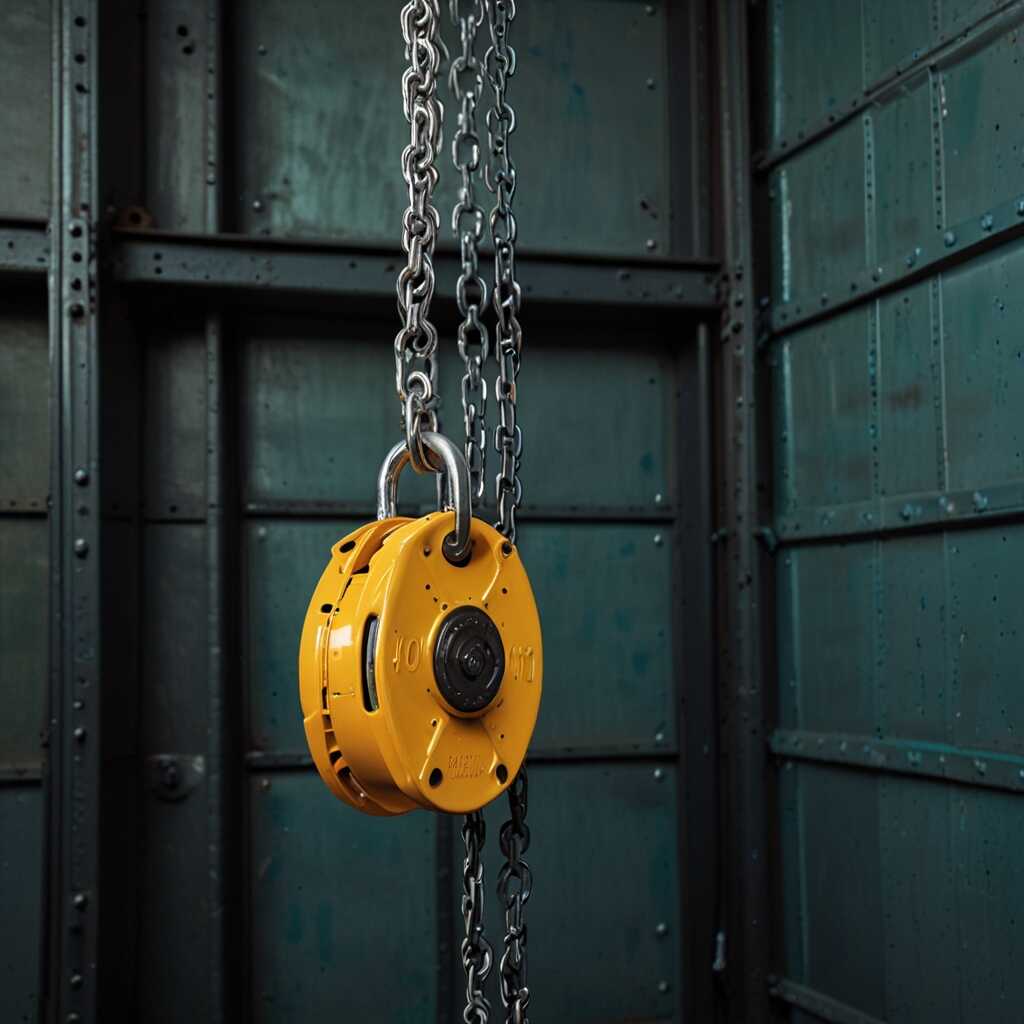
Critical Safety Features Enhancing Hoisting Equipment Safety
Hoisting equipment safety relies on several critical features. Overload protection features prevent lifting heavier loads than the equipment can handle. Emergency stop functions allow immediate cessation of operations in case of danger. Pre-operational inspections become essential to identifying any malfunction before use. Safety compliance standards ensure that the equipment meets regulatory requirements, enhancing overall reliability. Understanding and integrating these features increases user safety in various hoisting systems.
Integrating Safety Features for Optimal Performance
Integrating safety features like overload protection and emergency stop functions allows hoisting systems to operate securely. These elements are designed to enhance reliability and efficiency during lifting operations. Regular testing and thorough equipment reviews ensure that these safety features perform optimally. Studies show that safety features can prevent approximately 70% of hoisting accidents. Hoists World emphasizes the importance of maintenance on these features to ensure compliance with safety standards, thus providing excellent protection against accidents.

Identifying Hazards in Hoisting Processes
Common hazards in hoisting operations include load instability, equipment failure, and operator errors. Mechanical advantage ratios help reduce these hazards by efficiently managing load distribution and making lifting easier. The right lifting equipment enhances reliability, ensuring safer operations. Annually, thousands of hoisting accidents occur in industrial settings, emphasizing the need for proper hazard awareness. Hoisting safety practices, including regular reviews and preventive maintenance programs, are essential to minimize risks.
Effective Hazard Identification Techniques in Hoisting
Effective hazard identification techniques in hoisting involve routine inspections and training. Regular testing of lifting equipment, like electric and manual hoists, ensures reliable performance. Operators should receive training on recognizing potential hazards during hoisting tasks. Incorporating mechanical advantage ratios in lifting operations provides an easier means of managing loads, thereby reducing risk. Inspectors can utilize checklists as part of workplace safety consulting to identify issues promptly. Hoists World delivers expert guidance that helps enhance safety standards in hoisting practices.
Advantages of Optimizing Lifting Operations
- Enhanced user safety leads to fewer workplace injuries.
- Improved mechanical advantage ratios can boost productivity significantly.
- Stronger equipment means less frequent repairs and replacements.
- Reliable hoist operation minimizes project delays and costs.
- Operators gain confidence from using well-rated equipment.
- Compliance with safety regulations upholds workplace standards.
- Better maintenance practices extend the life of hoisting equipment.

The Importance of Regular Maintenance for Hoisting Equipment
Regular maintenance practices for hoisting equipment are essential to ensure reliability and safety. Essential tasks include inspecting lifting chains, checking brake systems, and reviewing load limits. Maintenance also involves performance testing to identify wear and tear. Scheduling routine safety inspections enhances equipment longevity and ensures compliance with safety regulations.
Best Practices for Hoist Maintenance and Inspection
Following best practices for hoist maintenance is crucial for optimal performance. Start with daily visual inspections to identify any visible damage or wear. Monthly checks should include testing emergency stops and ensuring all controls function properly. Every six months, conduct thorough performance testing along with an in-depth safety inspection. Additionally, use maintenance logs to track inspections and repairs, which can provide valuable data for future assessments.
Educational Resources and Training Best Practices for Hoist Operators
Training resources are essential for hoist operators to enhance safety practices. Organizations should prioritize programs that emphasize mechanical advantage education and safety inspection techniques. Choosing a comprehensive program involves comparing various training offerings that cover equipment selection, load handling, and rigging methods. Effective training programs ensure operators understand the importance of reliability in hoisting practices and regularly use safety checklists to uphold standards. Investing in quality training helps maintain operational efficiency and reduces accidents in the workplace.
Effective Training Programs for Hoist Safety
Effective training programs for hoist safety are designed to provide hands-on experience and theoretical knowledge about hoist operation. These programs should include practical sessions where operators can practice load calculations and rigging techniques that enhance safety. Additionally, programs can include simulations that reinforce the impact of mechanical advantage ratios during lifting operations. This hands-on approach makes it easier for operators to grasp the significance of safety inspections and equipment reliability. By focusing on these aspects, organizations ensure that their operators are well-prepared to handle hoisting equipment efficiently.
Understand Your Audience and Application in Lifting
- Industrial workers need practical hoisting solutions for heavy loads.
- Safety managers prioritize lifting equipment adherence to safety laws.
- Construction project managers look for efficiency in task completion.
- Engineering students study hoisting mechanisms to grasp real-world applications.
- Maintenance experts focus on regular inspections for operational safety.
- Equipment inspectors assess the durability of hoist systems under stress.
- Each demographic relies on reliable systems to ensure a safe work environment.
Real-World Examples of Mechanical Advantage Impacting Hoist Safety
Case studies show specific instances where mechanical advantage ratios significantly influenced safety in hoisting operations. For example, in a construction project, a hoisting system using a 6:1 mechanical advantage ratio reduced injury rates by 40% due to its ability to control heavy loads more effectively. In a manufacturing plant, using electric chain hoists with a higher mechanical advantage ratio improved operational safety by ensuring reduced strain on operators and equipment. Industries such as construction, manufacturing, and logistics have reported safety outcomes that highlight the critical role of mechanical advantage ratios in enhancing hoist safety practices.
In-Depth Analysis of Hoisting Safety Improvements
Analyzing safety improvements from mechanical advantage ratios reveals significant benefits. A typical electric hoist with a 4:1 ratio multiplies lifting capacity by four times compared to a 1:1 ratio. This means that an operator can safely handle loads of 4,000 pounds when using a hoist designed for 1,000 pounds. These ratios provide essential advantages in preventing accidents and improving overall reliability in industrial settings. The efficiency gained from utilizing optimal mechanical advantage ratios ensures hoisting operations are not only safe but also effective in preventing potential hazards.