Inspecting vehicle lifts for safety and wear issues is crucial for preventing accidents and ensuring compliance with regulations. Regular inspections help identify potential problems before they escalate, protecting both users and equipment. At Hoists World, we understand that thorough inspection practices enhance the lifespan of your lifts and promote a safer work environment. This guide provides you with actionable tips and methodologies for effectively inspecting vehicle lifts to maintain optimal performance and safety standards.
Why Regular Inspections of Vehicle Lifts Are Essential for Safety
Regular inspections of vehicle lifts are crucial for maintaining safety and operational reliability in garage settings. These inspections help detect potential hazards like structural wear, faulty components, and misalignment that can lead to accidents or equipment failure. Compliance with safety standards helps avoid costly fines and legal liabilities. Failing to conduct regular maintenance checks can result in serious incidents, putting both workers and vehicles at risk. Industry regulations often require inspections, and performance reviews show that maintaining a consistent inspection schedule enhances the safety and efficiency of lifting operations.
Understanding Common Hazards from Neglected Inspections
Neglected vehicle lift inspections can lead to severe hazards including sudden lift failures, falling vehicles, and injuries. Common failings include hydraulic leaks, worn cables, and malfunctioning safety devices. Regular inspections, ideally every six months or according to manufacturers’ recommendations, help identify these issues early. By following safety compliance standards set by OSHA and other regulatory bodies, maintenance professionals enhance workplace safety. Conducting thorough inspections allows technicians to catch problems before they escalate, ensuring the reliable and durable performance of the vehicle lifts.
Main Components of Vehicle Lifts That Require Inspection Attention
Inspecting vehicle lifts involves focusing on essential components such as the hydraulic system, lifting arms, and safety locks. The hydraulic system must be checked for leaks, pressure loss, and structural integrity. Lifting arms should be reviewed for wear, bending, or cracking, which can compromise stability. Safety locks are crucial for preventing accidental lowering, so their functionality should always be verified. Regular inspections help ensure reliability and performance, promoting a safe working environment.
Detailed Checks for Hydraulic Systems
Hydraulic systems are vital for lifting mechanisms. Inspect the hydraulic fluid levels to ensure they are adequate. Look for leaks around hoses, seals, and fittings. A thorough pressure test will reveal any weaknesses in the system. Evaluate the condition of hydraulic cylinders for signs of damage or wear. These assessments enhance safety and efficiency. Regular checks can prevent costly repairs and downtime, ensuring maximum reliability for your vehicle lift operations.

Indicators of Wear and Tear in Vehicle Lifts to Recognize
Detecting wear and tear on vehicle lifts is essential for safety and reliability. Common signs include unusual noises, such as grinding or squeaking, which may indicate problems with gears or bearings. Inspect hydraulic lines for leaks or signs of wear, as these can lead to hydraulic failure. Check the lift points for excessive rust or corrosion. Furthermore, look for inconsistencies in the lift’s movement. Sudden jerks or slow lifting can signal wear on the lift’s cables or pulleys. Regular inspections enhance performance and prolong the lifespan of your equipment. Most vehicle lifts should be inspected every six months to ensure they remain in compliance with safety standards.
Essential Components to Inspect for Wear and Tear
Understanding which components of a vehicle lift are susceptible to wear can improve maintenance efficiency. Regularly inspect the hydraulic cylinders, as seals can degrade, leading to leaks. Check the cables for frays or kinks, which can compromise lifting capacity. The lift platform should be examined for bends or cracks that indicate excessive load. Ensure that safety devices, such as limit switches, function correctly. These components are designed to prevent overloading, enhancing safety compliance. Paying attention to these essential parts can prevent serious malfunctions and ensure reliable performance in daily operations.
Key Numerical Insights for Evaluating Lift Equipment
- Over 50% of lift safety issues arise from inadequate inspections.
- Regular checks should happen at least every 3 months.
- Inspect hydraulic systems annually for leaks and wear.
- Lift capacities typically range from 4,000 to 20,000 pounds.
- Approximately 30% of lift maintenance costs come from wear-related problems.
- Standard compliance can reduce accidents by up to 40%.
- A well-maintained lift can last over 20 years with proper care.
Step-by-Step Guide for Conducting Vehicle Lift Safety Inspections
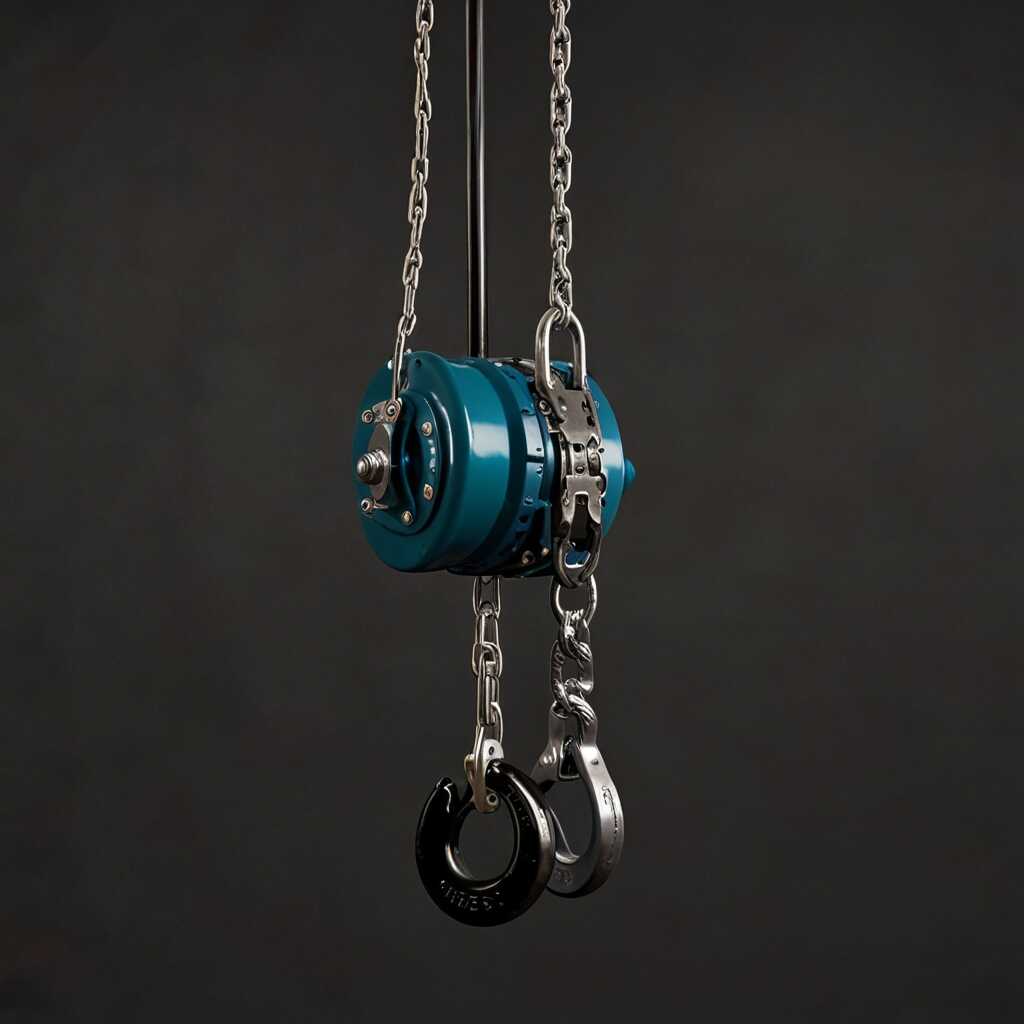
Conducting a thorough vehicle lift safety inspection involves checking several key components. Focus on the lift’s structure, hydraulic lines, and safety mechanisms. Look for signs of wear such as cracks or leaks. Inspect the lift’s electrical components and test the emergency stop functions. Follow relevant safety standards like OSHA regulations to ensure compliance. Vehicle lifts should undergo regular inspections according to their maintenance schedule. Industry best practices recommend inspections at least every year to enhance safety and performance.
Essential Inspection Checklist for Vehicle Lifts
An essential inspection checklist enhances the reliability of vehicle lift evaluations. Start by reviewing structural components for rust or deformation. Inspect hydraulic lines for signs of leaks or damage. Ensure that safety locks and emergency stops function correctly. Check the lift’s alignment to guarantee proper operation. Verify that the controls are responsive and easily accessible. Completing this checklist enables maintenance personnel to quickly identify potential issues and plan for necessary repairs. Documenting these inspections ensures compliance and enhances overall safety protocols.

Important Tools for Effective Vehicle Lift Inspections
To ensure the reliability of vehicle lift inspections, essential tools include a torque wrench, inspection mirrors, and a hydraulic jack. A torque wrench verifies that bolts are secured to the manufacturer’s specifications, enhancing safety. Inspection mirrors provide a view of hard-to-reach areas, allowing for thorough evaluations of lift components. A hydraulic jack helps assess the lift’s balance and functionality. Additionally, consider utilizing a load cell for accurate weight measurements to ensure the lift can handle specific loads efficiently. Regularly reviewing equipment and inspection procedures can greatly improve inspection results.
Choosing the Right Inspection Equipment for Reliability
Selecting the right inspection equipment enhances the reliability of your evaluations. Tools like digital torque wrenches, designed for accuracy and efficiency, help keep the lift’s integrity intact. Use high-quality inspection mirrors with adjustable angles for a comprehensive view of lifting mechanisms. Load cells, which provide precise weight readings, are crucial to ensuring that lifts perform safely under expected loads. A checklist for inspection frequency suggests conducting evaluations every three months for optimal safety compliance. Using proven testing utilities improves maintenance practices and ensures superior performance over the lift’s lifespan.
Advantages of Routine Evaluations for Lift Equipment
- Routine checks boost overall safety for operators and vehicles.
- Identifying wear early saves on costly repairs later.
- Enhancing equipment reliability increases work efficiency.
- Regular assessments help ensure compliance with safety regulations.
- Routine inspections reduce the risk of accidents and injuries.
- Evaluating lifts extends their operational life significantly.
- Proper maintenance journalism fosters confidence among workers.

Overview of Safety Standards Relevant to Vehicle Lifts
Vehicle lifts must comply with various safety standards to operate safely and effectively. The most important standards include OSHA regulations, ASME standards, and ANSI guidelines. These regulations provide essential benchmarks for safe operation and equipment performance, requiring regular inspections and maintenance. Compliance ensures that vehicle lifts can handle the necessary weight capacities while minimizing risks of accidents. Vehicle lift types, such as two-post and four-post lifts, have specific features that address safety concerns. Understanding these standards helps operators enhance safety and efficiency in their work environments.
Detailed Safety Compliance for Various Vehicle Lift Types
Different vehicle lift types must follow specific safety compliance standards to ensure reliable operation. For example, two-post lifts often require adherence to ANSI/ALI ALCTV standards, which outline performance testing requirements. Four-post lifts, known for their stability, must also comply with OSHA regulations that mandate regular safety inspections to ensure they can handle heavy vehicles. Regular maintenance programs are essential to uphold these standards. Hoists World provides detailed guidance on proper safety inspections and training to ensure compliance and enhance workplace safety for every lift type. This enables maintenance professionals to easily assess reliability and efficiency.
Critical Inspection Mistakes to Avoid for Maximum Safety
Many professionals make critical mistakes during vehicle lift inspections that can compromise safety. Common errors include skipping visual checks for wear and tear on cables, chains, and hydraulic systems. Inspectors often forget to test the functionality of safety locks and emergency stop buttons. Failing to keep records of past inspections can lead to overlooked issues. It’s essential to review guidelines specific to the vehicle lift model being inspected to ensure comprehensive evaluations. Experience and expertise play a vital role in identifying potential hazards. Regular and thorough inspections enhance reliability and safety.
Essential Components to Check During Inspections
During vehicle lift inspections, several essential components require close examination. Always check the lift’s hydraulic fluid levels and inspect hydraulic lines for leaks or damage. Inspect cables and chains for signs of wear, fraying, or rust. Ensure the lift’s electrical connections and controls function correctly. Verify that safety features like the overload protection device are operational. Regular testing of these components helps maintain compliance with safety standards and prolongs equipment lifespan. Hoists World provides useful guidelines for conducting these inspections comprehensively to ensure safety and performance.
Reputable Brands and Their User Demographics
- Hoists World’s expert recommendations serve industrial facilities well.
- Equipped with extensive safety features, Aplus Lifts often caters to construction sites.
- BendPak offers a user-friendly design, ideal for automotive professionals.
- Advanced Lift provides bespoke solutions for specialized lifting tasks.
- Mack Tools targets automotive service shops with its rugged lifts.
- Atlas Support focuses on smaller garages needing efficient lifting solutions.
- Selecting the right brand depends on specific lifting needs and safety requirements.
Effective Maintenance Practices for Vehicle Lifts Between Inspections
Daily maintenance checks are critical for ensuring the reliability of vehicle lifts. Start by visually inspecting the lift for any visible wear, rust, or damage. Check hydraulic fluid levels and look for leaks around hoses and connections. Ensure lift arms are securely mounted and do not have any cracks. Use a torque wrench to verify that all bolts are tightened according to specifications. Applying lubricants to moving parts enhances functionality and reduces wear. Regularly review safety features such as emergency stop buttons and safety locks to ensure they are in working order. Routine maintenance helps extend the durability and performance of vehicle lifts.
Key Components for Effective Vehicle Lift Maintenance
Essential components for effective maintenance of vehicle lifts include hydraulic systems, lift cables, and safety locks. Regularly test hydraulic fluid levels and check for any leaks in hoses. Inspect lift cables for fraying or wear. Tighten any loose connections to help prevent accidents. Safety locks must be tested to ensure functionality and reliability during operations. Investing time in checking these essential components can dramatically improve the safety standards and overall efficiency of vehicle lifts. Proper maintenance helps identify potential issues early, which is crucial for maintaining a safe work environment.