Effectively inspecting load chains for wear in hand chain hoists is crucial for maintaining safety in industrial operations. Regular inspection helps identify wear that could lead to equipment failure, ensuring smooth and safe lifting processes. At Hoists World, we provide expert guidance on inspection techniques that enhance the longevity of your hoisting equipment. Understanding how to spot signs of wear will be vital for maintenance personnel, safety officers, and plant managers in preserving the safety and efficiency of their operations.
Recognizing Indicators of Wear in Load Chains
During load chain inspections, maintenance personnel should look for key indicators of wear. Signs include visible elongation, which occurs as links stretch over time due to repeated loads. Inspect for cracking or chipped links that compromise integrity. Abrasions from misalignment can also be evident on the chain surface. Rust and corrosion signal exposure to moisture or chemicals, which can weaken the chains further. Tension issues, such as slack, indicate potential damage or excessive wear. Recognizing these signs helps prevent equipment malfunction and enhances workplace safety.
Understanding Load Chain Elongation and Its Implications
Load chain elongation is a critical indicator of wear that maintenance personnel should monitor closely. As chains undergo frequent loading and unloading, they naturally stretch. Manufacturers typically provide specifications on maximum allowable elongation before replacement is necessary. Regularly measuring chain length against these standards is essential for reliability. If the chain stretches beyond the maximum length, it compromises lifting capacity and safety. Document the elongation results during periodic inspections to enable early intervention. This practice prevents serious equipment failures and ensures the continued effectiveness of your hoisting operations.
Significance of Routine Load Chain Inspections
Performing routine inspections on load chains is crucial for maintaining operational safety. Inspections enable users to identify wear, corrosion, or damage early. These issues can lead to equipment failure and jeopardize safety. Compliance with industry standards is vital for ensuring the safety and reliability of lifting equipment. Neglecting load chain maintenance increases the risk of accidents and potential legal repercussions. Regular inspections contribute to reducing downtime. They can help maintain reliable performance throughout the lifespan of the hoist. While best practices may vary, frequent inspections are essential to verify quality and ensure the lifting equipment operates smoothly.
Recommended Frequency for Load Chain Inspections
The recommended frequency for inspecting load chains in hand chain hoists should be at least once every six months. This interval addresses operational safety and ensures compliance with safety regulations. In high-use environments, monthly inspections are advisable. Regular thorough reviews are essential for detecting minor issues before they escalate into significant problems. Experienced personnel should conduct these inspections. They will assess components such as links, hooks, and connectors. Following best practices enhances the reliability and efficiency of the lifting equipment.

Step-by-Step Process for Load Chain Inspections
The first step in inspecting load chains is to gather the necessary inspection tools like a magnifying glass, caliper, and safety checklist. Evaluating the load chain’s signs of wear involves examining for visible damage, such as deformities or pitting. Understanding the load chain’s structure helps in identifying wear patterns from regular operation. For optimal performance and safety, load chains should be inspected monthly to catch any signs of wear early. Regular inspections ensure the reliability of hand chain hoists and enhance overall efficiency.
Signs of Wear to Look For in Load Chains
During the inspection of load chains, you need to identify specific signs of wear. Look for deformation, which can indicate the chain has been overloaded. Pitting or surface rust can reduce the chain’s durability and effectiveness. Inspecting for wear elongation is essential; if the chain has stretched beyond the manufacturer’s specifications, replace it. Review the chain links for cracks or wear that may compromise reliability. Using inspection tools like calipers ensures accurate measurements and helps maintain safety during hoisting operations.
Key Numerical Insights on Chain Inspection
- Chains should undergo inspection every 1-3 months, depending on usage.
- The load chain diameter typically ranges from 6mm to 16mm in industrial hoists.
- Identifying wear of 10% or more of the original thickness necessitates chain replacement.
- Chains experience fatigue after lifting heavy loads over 5,000 cycles.
- Inspect for chain elongation above 2% as it indicates wear and potential failure.
- Safety experts recommend keeping a record of inspection dates and observations.
- Follow the manufacturer’s guidance for routine maintenance schedules for optimal safety.

Essential Tools for Inspecting Load Chains
To effectively inspect load chains in hand chain hoists, you need specific inspection tools. Essential tools include chain calipers for measuring wear, a flashlight for spotting defects, and a wire brush to clean dirt and debris. Hoists World recommends using a magnifying glass to closely examine links for cracks. Additionally, a safety harness might be necessary if performing inspections at height. Regularly testing these tools ensures their reliability and effectiveness during inspections. You should also follow established safety protocols and use a checklist to enhance efficiency.
Detailed Inspection Process Using Recommended Tools
The inspection process is crucial for ensuring load chain safety and performance. Utilize the chain calipers to measure the chain’s pitch and identify wear. Inspect each link under good lighting with a flashlight, checking for elongation or deformities. A magnifying glass helps uncover minute cracks that could lead to failures. Regular maintenance equipment like a wire brush keeps chains clean, which influences their durability and efficiency. Implementing a systematic approach using these essential inspection devices allows for comprehensive assessments and effective resolution of any issues found.
Identifying Common Load Chain Issues and Resolutions
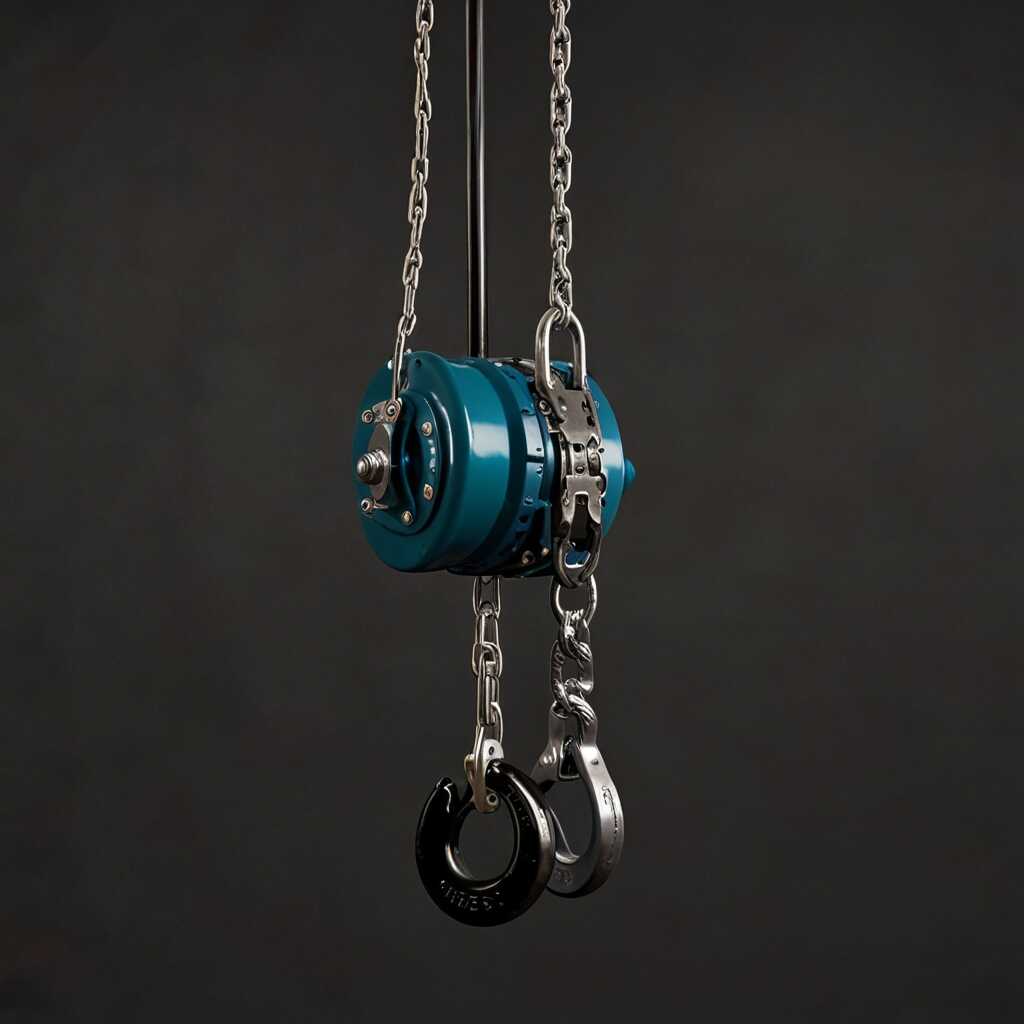
Common issues with load chains in hand chain hoists include corrosion, elongation, and physical damage. Corrosion happens due to exposure to moisture or chemicals, reducing reliability. Elongation occurs as a result of wear, affecting load stability. Physical damage can result from accidents or improper usage, leading to immediate failure risks. Inspect chains regularly for these issues. Components like rollers, links, and hooks can particularly show signs of wear. It is essential for maintenance personnel to conduct load chain inspections at least once a month to ensure optimal performance and reliability.
Effective Wear Indicators and Their Importance
Identifying wear indicators is crucial for maintaining the efficiency of load chains in hand chain hoists. Visible signs like link elongation, rough edges, or discoloration can indicate potential failure. For instance, if the chain length increases by more than 3% compared to its original size, it indicates serious wear that needs immediate attention. Regular inspections help in detecting these wear indicators, enabling timely replacement or repairs. This preventative action enhances overall safety and performance, minimizing the risk of accidents in industrial settings.
Advantages of Regular Chain Examination
- Frequent inspections improve operator and equipment safety significantly.
- Identifying chain wear early can prevent accidents and costly downtimes.
- Routine checks extend the lifespan of the hand chain hoist significantly.
- Inspections enhance compliance with OSHA and ANSI safety regulations.
- Discovering issues early helps maintain productivity by avoiding equipment failure.
- Regular maintenance boosts confidence in equipment performance and reliability.
- Inspecting chains promotes a culture of safety awareness among workers.

Best Practices for Maintaining Load Chains
Regular checks on load chains are essential for safety in hand chain hoists. Inspect for twists, kinks, or deformations. Look for signs of wear, such as elongation and corrosion. Cleaning the chains with a cloth and approved cleaning solutions is also necessary. Environmental factors, such as humidity and exposure to chemicals, can accelerate wear. Chains in harsh conditions may require more frequent inspections. It is recommended to inspect load chains every three months. Daily visual checks are beneficial for identifying immediate issues. Following these practices enhances the reliability and lifespan of load chains.
Understanding the Importance of Regular Inspections
Regular inspections are vital for ensuring the performance and safety of load chains. An inspection involves checking the entire chain for deformities, wear, and signs of corrosion. Have a qualified technician perform detailed inspections at least every three months. For environments with high usage or harsh conditions, consider monthly checks. Inspections help identify issues before they lead to equipment failures. Regular data collection during inspections enables trend monitoring. Establish a log of inspection results. This information provides insights into the operational life and reliability of the load chains.
Interpreting Load Chain Specifications and Ratings
Understanding load chain specifications is essential for selecting chains that meet safety and performance needs. Key specifications include capacity ratings, which indicate the maximum weight the load chain can handle safely. For safety, always select a chain rated for at least 25% more than the expected load. Different materials used in load chains, such as carbon steel or alloy steel, enhance their reliability, durability, and performance under stress. A proper review of material types helps in choosing the best option for specific industrial hoisting operations. Load chain sizes designation corresponds with the equipment design, compatibility, and ease of use, impacting efficiency in practical applications.
Materials and Their Impact on Load Chain Reliability
Different materials for load chains profoundly affect their reliability and durability. Carbon steel chains are common due to their good balance of strength and affordability. Alloy steel chains provide superior performance in high-stress environments, improving lifespan and safety. Each material’s properties offer various advantages, including resistance to wear and fatigue, which is crucial for industrial settings. Selecting the right material not only enhances efficiency but also ensures compliance with safety regulations. When designing or reviewing hoisting operations, consider how material choices affect the overall safety and performance of the hoisting solution.
Options for Equipment Users and Their Benefits
- Manufacturing plants benefit from regular chain inspections to avoid delays and ensure safety.
- Construction sites rely heavily on load chain performance for lifting materials efficiently.
- Warehousing operations require consistent inspections to maintain productivity and safety.
- Agile businesses opt for manual and electric hoists, emphasizing quick inspections to ensure reliability.
- Maintenance teams gain from preventative measures that minimize equipment failures and repairs.
- Training programs for operators help in understanding chain wear and inspection protocols.
- Safety officers benefit from clear guidelines that improve workplace safety compliance.
Critical Safety Precautions During Load Chain Inspections
Personnel must use personal protective equipment, such as safety glasses and gloves, when inspecting load chains. These items protect against potential hazards like sharp edges and other debris. Operators should be trained to recognize signs of wear in load chains, which can include elongated links, corrosion, and surface pitting. Adhering to wear limit standards, often defined by manufacturers, is crucial to maintaining equipment reliability. Manufacturers’ guidelines typically specify a maximum allowable wear limit of 10% of the original chain width, ensuring safe operation.
Essential Personal Protective Equipment for Inspections
Inspections of load chains require specific personal protective equipment to enhance safety. Hard hats, safety glasses, and gloves are essential for preventing injuries from falling objects or sharp edges. Steel-toed boots provide additional protection against heavy items that might be dropped during inspection. Hearing protection may also be necessary in noisy environments. Using this safety gear consistently helps prevent injuries and encourages a culture of safety within facilities. Each piece of equipment contributes significantly to maintaining operational efficiency and personnel well-being, allowing for thorough and effective inspections.