The choice of power source for commercial hoist and lift systems significantly impacts their overall costs and efficiency. Different options, such as electric, manual, and pneumatic power, come with unique advantages and challenges that can influence maintenance needs and operational expenses. Understanding how these power source choices affect your lifting solutions can help facility managers and purchasing agents make informed decisions. At Hoists World, we provide a wide range of hoisting equipment and expert guidance to ensure your operations run efficiently and safely.
Overview of Power Source Options for Hoisting Systems
This section introduces four main power source options: electric, manual, pneumatic, and hybrid hoisting systems. Electric hoists provide fast and reliable lifting, making them ideal for high-efficiency operations. Manual lifting systems are essential in areas lacking power, offering control and precision. Pneumatic hoists are designed for environments where electrical equipment may pose hazards, delivering versatility and safety. Hybrid solutions combine the advantages of various power sources, enhancing operational flexibility. Understanding these power source options helps facility managers select the best lifting system for their specific needs.
Comparative Analysis of Hoisting System Power Sources
When comparing hoisting systems, electric hoists stand out with an average lifting capacity often exceeding 5 tons, making them suitable for heavy loads. Manual lifting systems, while lower in capacity, offer precise control in tight spaces, typically handling loads up to 2 tons. Pneumatic hoists excel in hazardous environments, providing capacities ranging from 0.5 to 3 tons while ensuring safety. Hybrid systems effectively utilize both electric and pneumatic principles, making them suitable for diverse applications. Each type enhances efficiency in its own right, making it critical for facility managers to review their specific uses.
Understanding the Cost of Different Power Sources
Understanding the cost of different power sources for hoist systems involves analyzing initial acquisition costs and long-term operational costs. Manual hoists typically have lower initial costs, but electric hoists provide greater reliability and efficiency, often justifying their higher purchase price. Pneumatic hoists are ideal for hazardous environments but come with additional costs related to air supply systems. Energy consumption greatly influences long-term costs; electric hoists tend to consume more power but operate faster, enhancing productivity. Maintenance needs also vary: electric hoists often require more frequent servicing due to electrical components, while manual hoists have fewer moving parts, potentially lowering long-term maintenance expenses. Replacement cycles for each type of hoist also affect costs. Regular reviews and testing of each system type are essential for optimal performance, ensuring efficiency.
Evaluating Energy Consumption Costs Across Hoist Types
Evaluating energy consumption costs across different hoist types is essential for understanding long-term financial impacts. Electric hoists consume significant power during operation, but their faster lift cycles can result in lower overall energy costs when used efficiently. Manual hoists do not require electricity, leading to zero energy costs, but may require more labor. Pneumatic hoists rely on compressed air, with costs related to maintaining the air compressor system. Decisions around power sources should consider energy efficiency ratings and potential usage frequency to maximize cost savings. Hoists World offers expert recommendations to help users select the best hoisting solution tailored to operational needs and budget constraints, enhancing overall efficiency.

Assessing Energy Efficiency in Hoisting Systems
The choice of power source plays a critical role in energy efficiency within hoisting systems. Electric, manual, and pneumatic hoists offer distinct operational characteristics affecting energy consumption. Electric hoists tend to provide faster lifting capabilities while consuming less energy compared to pneumatically powered hoists. Pneumatic options might be more efficient in explosive environments but have a higher energy consumption rate. Users can reduce operational costs significantly by selecting the appropriate power source and utilizing energy-efficient practices, perhaps by 15% or more annually. Best practices include scheduling regular testing and maintenance to ensure optimal performance and reliability.
Best Practices for Maximizing Energy Efficiency
Maximizing energy efficiency in hoisting systems requires several essential strategies. Firstly, using high-efficiency motors reduces consumption without sacrificing lifting performance. Regular inspections and preventative maintenance increase hoist reliability and can enhance energy efficiency. Facilities can also adopt load monitoring systems to analyze the actual energy usage during operation, helping identify areas for improvement. Optimizing lift height and reducing unnecessary travel distance also significantly limits overall energy consumption. Training operators on best practices for energy-efficient operation, such as avoiding overloads, will ensure that the hoisting equipment runs smoothly and lasts longer, saving costs over time.
Key Statistics on Power Options for Lifting Systems
- Electric hoists can reduce energy costs by up to 30% compared to pneumatic options.
- Operating costs for hydraulic lifts tend to be 20% higher than electric models over five years.
- Manual hoists typically require 50% less maintenance than electric hoists.
- Up to 80% of facility managers prefer electric hoists for their energy efficiency.
- Annual maintenance costs for diesel-powered hoists can exceed $1,500 per unit.
- On average, users report a 15% increase in work efficiency with electric hoists.
- Pneumatic systems operate effectively in environments up to 150°F without overheating.

Maintenance Considerations for Various Power Sources
Different power sources for hoists and lifts come with varied maintenance requirements. Manual hoists need basic upkeep, including lubrication and annual inspections. Electric hoists require more frequent checks, like every six months, to monitor electrical components and ensure reliability. Pneumatic hoists also need regular evaluations of air systems and seals, with maintenance about every three to six months. Repair expenses depend on the specific power source. Electric systems may incur higher costs due to more complex components, while manual hoists might see lower costs for repairs and parts. Knowing typical costs and issues helps in planning budgets. The efficiency of maintenance directly improves the lifespan and performance of the hoist systems.
Frequency and Timing of Maintenance Tasks for Hoists
Scheduling maintenance tasks is essential for maintaining hoist efficiency and reliability. Electric hoists should undergo maintenance at least twice a year to inspect wiring, motors, and brakes. Manual hoists require annual inspections to check for wear and operational efficiency, with more frequent checks depending on usage. Pneumatic hoists benefit from quarterly checks on air compressors and hoses to prevent air leaks and failures. Hoists World advises setting up a preventive maintenance program to track when each hoist type needs servicing. This ensures systems operate at peak performance and safety for users.
Selecting the Ideal Power Source for Specific Operations
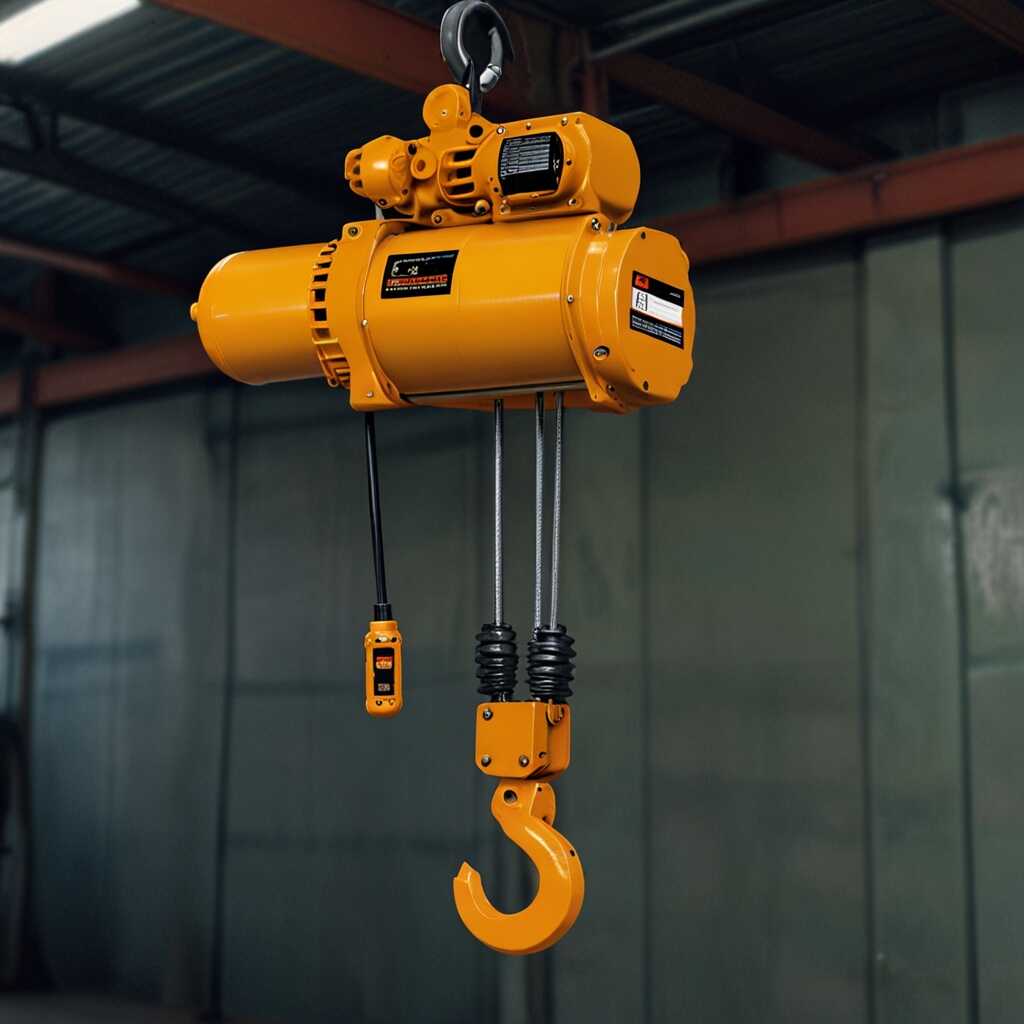
When selecting the ideal power source for hoist and lift systems, consider load capacity, height of lift, and environmental conditions. Different power sources, including electric, manual, and pneumatic options, offer varying reliability and performance. Electric hoists typically provide fast operation and higher capacity, making them suitable for large loads. Manual hoists are cost-effective for lower capacity requirements where electrical resources are limited. Pneumatic hoists are essential in harsh environments where electrical hazards exist. Evaluate your operational efficiency and maintenance needs based on your specific use case and power source capabilities. This comprehensive review ensures you choose the best hoisting solution.
Comparative Analysis of Power Source Options
Understanding the comparative analysis of power source options will help refine your decision on hoisting equipment. Electric hoists deliver fast lifting speeds and can generally handle larger loads; in contrast, manual hoists suit lighter capacities and require more worker effort. Pneumatic hoists excel in explosive environments, but their capacity is often lower than electric options. Maintenance requirements also vary considerably among power sources: electric systems require periodic inspections of electrical components, while manual and pneumatic systems necessitate regular checks of mechanical parts. Reliable maintenance and performance data ensure the efficiency of your selected hoist system.
Advantages of Different Power Types for Lifts
- Electric systems provide quieter operation, benefiting indoor environments.
- Users report reduced operational costs for electric hoists over their lifespan.
- Pneumatic lifts excel in hazardous areas since they do not produce sparks.
- Electric systems often feature advanced controls for better precision and efficiency.
- Manual hoists allow for portability and don’t require power sources at all.
- Hydraulic lifts deliver strong lifting power, suitable for heavy loads.
- Pneumatic options are lightweight, making them easy to transport and set up.

Regulatory Compliance Influencing Power Source Selection
Regulations significantly shape the choice of power sources in hoisting systems. Compliance with safety standards, such as OSHA and ASME, ensures operational reliability. Each power source has different regulatory requirements that can influence both costs and operational practices. For instance, electric hoists must adhere to specific electrical codes, while pneumatic systems need to follow guidelines for explosive environments. Failing to comply can lead to increased maintenance costs and potential fines, making compliance an essential factor in overall operational efficiency. The increase in operational costs due to non-compliance can vary, but it can be substantial, often exceeding 15% of total operational expenses.
Essential Safety Standards for Hoisting Power Sources
Safety standards play a crucial role in selecting power sources for hoisting systems. Organizations should review the latest regulatory updates, ensuring that electric, pneumatic, and manual hoists meet industry benchmarks. The standards include requirements for product testing and performance evaluation, ensuring reliability against failures. Regular inspections and testing enhance safety and can extend equipment lifespan. Choosing compliant power sources reduces risk and improves functionality. Brands like Hoists World provide thorough guidance on complying with these standards, helping users select the best solutions while maintaining a strong focus on safety and reliability.
Real-world Examples of Cost Impacts from Power Source Choices
Different power source choices significantly affect operational costs, efficiency, and maintenance needs in various industries. For instance, a construction company that used electric hoists reported a 30% reduction in labor costs compared to manual hoists. This change resulted from faster lifting speeds and less physical effort required from workers. Another case involved a manufacturing plant that switched to pneumatic hoists, enhancing safety and reducing downtime due to equipment failure. The data revealed that electric hoists often yield lower energy costs despite high initial investments. The comparison of manual versus electric hoists highlights substantial differences in performance and cost over time.
Detailed Industry Comparisons: Electric vs. Manual Hoists
When considering electric versus manual hoists, various industries demonstrate noteworthy differences in operational efficiency and costs. Electric hoists, known for their reliability and speed, often lead to lower overall labor costs due to faster lifting operations. For instance, a warehouse using electric chain hoists reported an average lifting speed increase of 25%. This increase enabled them to handle more loads daily, directly impacting productivity. In contrast, manual hoists require more physical labor, which can lead to higher injury risk and increased worker fatigue. A facility that conducted a review found that switching to electric hoists resulted in a 40% lower injury rate over two years, validating the long-term benefits of investing in reliable hoisting solutions.
Considerations for Various User Groups in Lifting Solutions
- Construction firms often choose electric hoists for quick project completion.
- Manufacturers value pneumatic systems for their efficiency in explosive environments.
- Warehouse managers select manual hoists for flexibility in storage areas.
- Maintenance teams benefit from electric solutions due to lower downtime rates.
- Certain industries prefer hydraulic lifts for their heavy-duty lifting capability.
- Small businesses may opt for electric hoists to save on operational costs.
- Facilities with limited power access often utilize manual systems for versatility.
Emerging Trends in Power Source Technologies
Advancements in power source technologies for hoisting systems are transforming the market. Key developments include improved battery technologies, enhanced pneumatic systems, and the integration of renewable energy sources. Battery-powered hoists now offer greater reliability and longer operational lifespans. This reliability is essential in reducing downtime. Pneumatic hoists are being designed for better efficiency and are becoming more prevalent in environments where explosive hazards exist. By 2025, studies predict these advancements will improve operational efficiency by 20% or more, significantly impacting hoist system costs and performance.
Comparing Different Power Sources for Optimal Performance
Understanding how different power sources influence hoist system costs and efficiencies is essential for making informed decisions. Electric hoist systems are generally more efficient for heavy lifting, offering faster performance and durability. They require less maintenance compared to manual systems. Manual hoists, while less expensive, depend on operator strength, which can lead to inefficiencies for larger loads. Pneumatic hoists excel in environments with hazardous conditions, enhancing safety without compromising performance. Each power source offers specific advantages that can directly impact costs and operational efficiencies, helping users choose the best solution for their needs.