The energy efficiency of manual versus powered hoists for warehouses significantly affects operational costs and productivity. Understanding the benefits and limitations of each type helps warehouse managers make informed decisions. At Hoists World, we specialize in providing reliable hoisting solutions and expert guidance on the right lifting equipment. This article will explore the key differences between these hoists to assist facilities operations personnel in optimizing energy use and enhancing workplace safety.
Overview of Hoisting Equipment Options in Warehouses
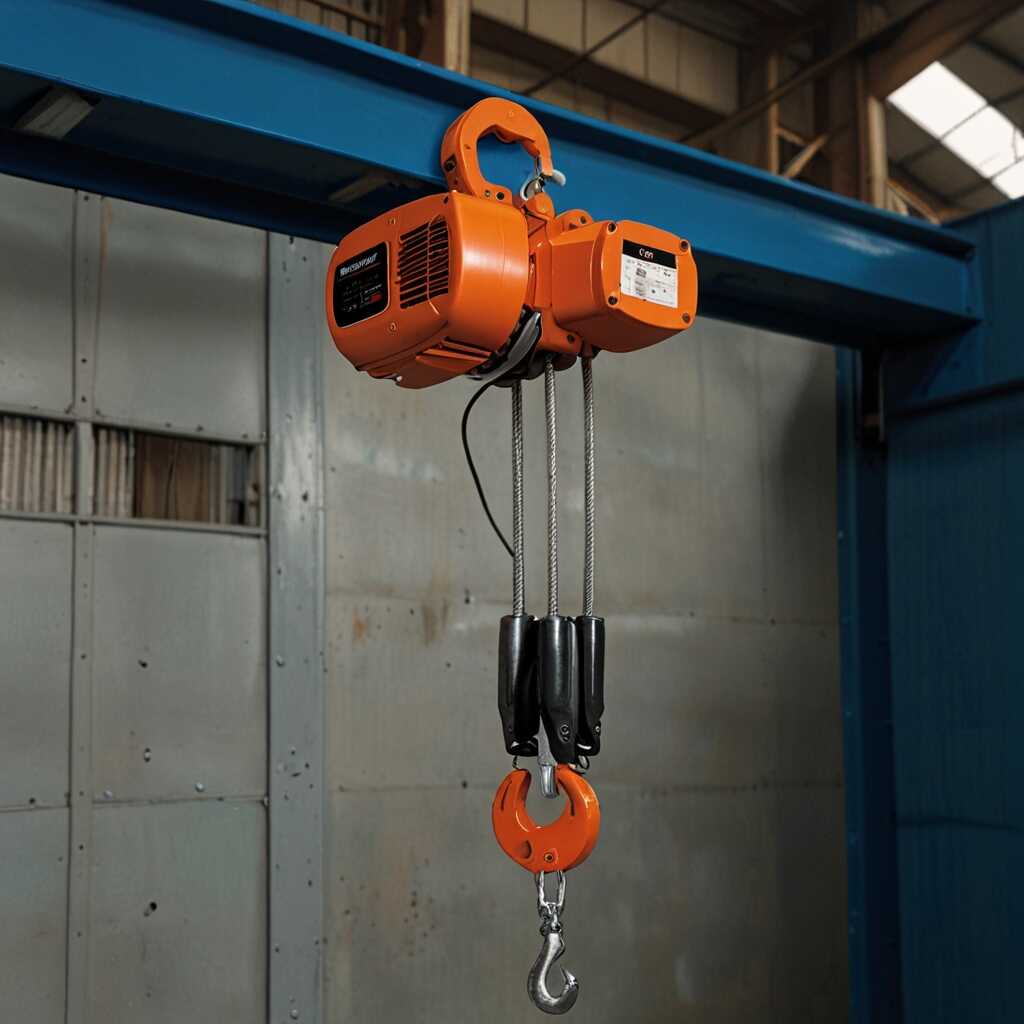
This section discusses the primary differences between manual and powered hoists commonly used in warehouses. Manual hoists are known for their simplicity and are often used in locations without easy access to electricity. They provide good reliability and control in lifting operations. Powered hoists, such as electric chain hoists, enhance efficiency by enabling faster lifting and lowering of loads. They can handle heavier load capacities, usually ranging from 500 to 10,000 pounds, depending on the specific model. The choice between these hoist types depends on the specific operational needs of the warehouse, including weight requirements and power availability.
Comparative Analysis of Hoist Types in Warehouse Use
The efficiency and reliability of hoists greatly vary between types. Electric chain hoists are designed for high-capacity workloads and can lift quickly while maintaining stability. Lever hoists, on the other hand, provide precise handling for smaller loads, with typical capacities ranging from 1,000 to 9,000 pounds. Electric hoists enhance operational speed, making them ideal for larger warehouses or busy environments. In contrast, manual hoists offer great control and lower upfront costs, appealing to space-limited or budget-conscious operations. Hoists World offers a wide range of hoisting equipment designed to meet diverse demands and ensure safety in warehouse applications.
Assessing Energy Efficiency in Hoist Operations
This section delves into the energy efficiency of manual versus powered hoists. Factors like load capacity, lifting height, and duty cycle influence energy usage. Manual hoists rely on user strength and thus consume no electricity, while powered hoists use electric energy. The operational costs associated with energy consumption can vary significantly. Generally, powered hoists achieve faster lifting and can handle heavier loads with less human effort, improving overall warehouse performance. Understanding these differences allows warehouse managers to make informed decisions about which hoisting solution best serves their specific environment.
Comparative Analysis of Hoist Types for Energy Efficiency
Comparing energy efficiency across different hoist types clarifies their suitability for specific warehouse tasks. Electric chain hoists are designed for high-efficiency operations, especially in large-scale lifting where quick cycles are essential. Manual chain hoists fit areas without power access. Lever hoists provide a balance of precision and ease. Pneumatic hoists excel in explosive environments where electrical safety is crucial. Understanding these distinctions ensures that operations utilize the best hoisting solutions according to safety standards and energy requirements. Hoists World offers the necessary insights to help warehouse managers select equipment tailored to their energy efficiency needs.

Calculating Total Cost of Ownership for Hoists
The total cost of ownership (TCO) for hoists includes several key factors such as maintenance requirements, operational costs, and equipment downtime. Manual hoists generally have lower upfront costs compared to powered hoists. However, powered hoists often provide greater energy efficiency, which can reduce operational costs in the long run. For maintenance, manual hoists typically require less frequent servicing but need regular inspections to ensure safety. Powered hoists may require more comprehensive maintenance due to their complex systems but can often handle heavier loads more efficiently and rapidly. Overall, understanding these differences helps in making cost-effective decisions for warehouse operations.
Understanding Maintenance Requirements for Hoists
Regular maintenance is essential for both manual and powered hoists to ensure reliability and safety. Manual hoists should undergo visual inspections every month and comprehensive checks every six months. It includes checking the load chain, hooks, and braking systems. For powered hoists, maintenance should occur every three months, including checking electrical connections, gearboxes, and load capacity. Implementing a structured maintenance schedule is crucial for minimizing equipment downtime and enhancing operational efficiency. This approach not only prolongs the lifespan of the hoists but also ensures compliance with safety regulations. Hoists World offers expert guidance on maintenance schedules to keep your equipment reliable and efficient.
Key Figures About Lift Mechanisms in Warehouses
- Manual hoists save up to 40% on energy costs compared to powered systems.
- Powered hoists can lift loads 3-4 times faster than manual options.
- Over 70% of warehouses report high productivity with powered hoists.
- Energy expenses account for about 25% of operational costs in warehouses.
- Manual hoists require less than 5% of electricity compared to powered hoists.
- Companies save an average of $3,000 annually by switching to energy-efficient equipment.
- Typically, powered hoists require regular maintenance every 6-12 months.

Assessing Safety Features and Compliance in Hoisting Equipment
Essential safety features in both manual and powered hoists include overload protection, emergency stop mechanisms, and secure load handling systems. These features significantly enhance reliability and help prevent accidents. Compliance standards, such as ASME and OSHA, are critical for ensuring that hoists operate safely in various industrial applications. Adhering to these standards minimizes risks and improves overall workplace efficiency. According to recent studies, quality hoists with proper safety features can prevent upwards of 70% of potential workplace accidents.
Understanding Compliance Standards for Hoists
Compliance standards for hoists are designed to enhance safety and reliability in high-risk environments. These standards include stringent testing protocols for durability and performance, ensuring that equipment can handle intended loads effectively. For instance, electric hoists must comply with ANSI standards, while manual hoists require evaluation against OSHA regulations. Hoists World provides specific guidance on these standards through expert reviews, helping customers choose equipment that meets necessary safety requirements. Compliance not only improves safety but also contributes to a more efficient operational environment, supporting better performance and minimizing downtime.
Benefits of Space Utilization and Workflow with Hoists
Selecting the right hoist is essential for enhancing space efficiency and optimizing workflow in warehouses. Different hoist types serve specific purposes. Electric hoists are suitable for high lift needs and can handle heavier loads, allowing for better vertical space usage. Manual hoists, on the other hand, work well in tighter spaces where power access isn’t available. Both options improve organization by making loads easier to move and store, which increases overall warehouse productivity. A reliable hoist can potentially enhance productivity by up to 30%, depending on the operational workload and lifting demands.
Impact of Hoist Types on Workflow Efficiency
The impact of various hoist types on workflow efficiency is significant. Electric chain hoists provide rapid lifting and lowering. This efficiency reduces wait times during operations. They allow quick repositioning of loads, which enhances the overall workflow. Manual chain hoists offer precision in positioning, perfect for areas with limited space. Lever hoists and pneumatic hoists also contribute to smoother processes by allowing for better handling of materials, thereby improving organization throughout the warehouse. By optimizing space and workflow with an appropriate hoist selection, warehouses can achieve efficient operations and ensure a safer working environment.
Advantages of Different Types of Lifting Solutions
- Manual hoists are cost-effective and do not require electric power.
- Powered hoists improve speed, reducing cycle time and increasing throughput.
- Manual options are often lighter and easier to store when not in use.
- Powered hoists offer precision and can handle heavier loads effortlessly.
- Manual hoists have lower maintenance costs and simpler operation.
- Powered hoists typically have better ergonomics, lowering operator fatigue.
- Both options enhance worker safety, with proper training and best practices.

Key Considerations for Selecting Hoisting Solutions
When selecting hoists for warehouses, consider essential factors like operational needs, facility constraints, and available power. Evaluate load capacities based on the types of items you lift and their weight. Different hoisting solutions, such as manual versus powered hoists, have distinct efficiency ratings, so researching their performance features is vital. Ensure the hoist can handle specific environmental conditions, such as explosive atmospheres or wet environments. Reviews of hoists offer insight into reliability and durability, helping to guide your choice. For best results, ensure the selected hoist aligns with your specific operational needs.
Understanding Load Capacity Requirements for Warehouse Hoists
Load capacity is a critical factor when selecting hoisting solutions for warehouse environments. Most warehouse hoists should handle weights of 1,000 to 5,000 pounds efficiently. This range supports both moderate and heavy lifting needs. Selecting a hoist designed to exceed your maximum load ensures safety and operational efficiency. Consider hoists with adjustable lifting capacities that allow for future changes in inventory or equipment. Reviews indicate that hoists with higher load capacities offer better reliability and performance. Look for durability features that enhance the hoist’s longevity and give you peace of mind.
Understanding Environmental Impact on Hoist Performance
Environmental factors such as temperature, humidity, and workspace conditions significantly affect the performance of both manual and powered hoists. High humidity can cause corrosion in metal components, reducing the reliability of hoists. Extreme temperatures can affect motor efficiency and battery life for powered hoists. Proper testing and reviews can help determine which hoist best fits specific needs. Understanding these aspects enhances the selection process for warehouse applications, ensuring you choose the best lifting equipment for your environment.
Specific Environmental Conditions for Hoists
When selecting hoists, consider specific environmental conditions like temperature fluctuations, exposure to moisture, and dust levels. Powered hoists may need additional weatherproofing when used outdoors or in humid areas. For warehouses with heavy dust, hoists designed with sealed components can improve performance reliability. Meanwhile, manual hoists excel in extreme temperatures as they have fewer electronic parts, decreasing the risk of failure. Proper testing based on these conditions helps ensure you get a hoist that performs reliably and efficiently.
Comparative Analysis of Popular Hoist Brands
- Brand A provides electric chain hoists suitable for heavy-duty lifting.
- Brand B specializes in manual chain hoists, ideal for low-budget operations.
- Brand C offers pneumatic hoists great for explosive environments.
- Brand D is known for lever hoists that excel in tight spaces.
- Brand E has a robust range of safety features, appealing to safety-conscious users.
- Brand F focuses on custom solutions, suitable for unique lifting needs.
- Brand G provides excellent customer service, enhancing the buying experience.
Long-term Investment Insights and Cost Justification
Understanding the long-term return on investment for hoists is essential for warehouse managers. When comparing manual versus powered hoists, examine factors like reliability, maintenance costs, and operational efficiency. Manual hoists typically require less initial investment but involve higher labor costs over time. Powered hoists offer enhanced efficiency, reducing time spent on lifting tasks. Users can review various models, as some brands provide excellent warranties and reliable performance data. Choosing the right hoist can lead to significant savings, improving overall operational costs for a warehouse.
Evaluating Savings with Powered Hoists
Switching from manual to powered hoists can result in impressive savings for warehouses. For example, facilities utilizing powered hoists may reduce labor costs by up to 30% annually due to increased speed and efficiency. Powered hoists are designed to handle heavier loads more easily, improving safety and productivity. Hoists World offers a range of powered options that enhance performance and reliability. Regular use of powered hoists also reduces wear and tear on human resources. This efficient equipment helps maintain a safer working environment and minimizes operational risks.