Understanding the maintenance differences between electric and manual chain hoist systems is crucial for safe operations. Each system has unique requirements that impact performance, safety, and longevity. At Hoists World, we provide reliable hoisting solutions and guidance to help facility managers and maintenance technicians make informed choices. This article will clarify the key distinctions in maintenance practices to ensure safe and effective lifting equipment use.
Essential Maintenance Tasks for Electric Chain Hoists
Essential maintenance tasks for electric chain hoists include regular inspections, servicing, and preventive care. Daily checks should focus on the hoist’s overall condition, including clearances, and functionality. Users should test the hoist’s features, ensuring it operates smoothly and efficiently. Monthly inspections must review electrical connections, limit switches, and the lifting mechanism. Servicing should involve greasing moving parts and checking the wear on chains and sprockets. A yearly comprehensive review by qualified experts will enhance reliability and ensure safety compliance.
Key Components for Regular Inspection and Servicing
Key components for regular inspection and servicing of electric chain hoists include the motor, gearbox, and chain. The motor must be tested for proper voltage and any unusual sounds. The gearbox requires checking for oil levels and leaks. The chain needs a thorough inspection for wear, twist, or stretching. Regular maintenance of these components improves performance and extends lifespan. Conducting these inspections helps avoid costly repairs and downtime. Adhering to a regular servicing schedule promotes safety in lifting operations.
Key Upkeep Requirements for Manual Chain Hoists
Manual chain hoists require regular inspections and maintenance to ensure safety and efficiency. Essential maintenance tasks include inspecting the chain for wear and tear. Regularly check hooks and latches for deformation. Lubrication is key for smooth operation. Clean the hoist to prevent dust buildup in moving parts. Maintaining proper alignment enhances reliability and performance. An inspection should be conducted before each use. This helps catch any issues early and avoids larger problems. For maintenance comparison, manual hoists need less frequent servicing than electric hoists. Typically, manual chain hoists should be inspected every six months, depending on usage. This routine ensures safety and reliable load handling.
Regular Inspection and Lubrication Practices
Regular inspection and lubrication are critical for keeping manual chain hoists in prime working condition. Inspect the load chain for any signs of wear or elongation. This ensures it can handle the load safely. Check the hooks for cracks and ensure they operate smoothly. It’s essential to lubricate moving parts according to the manufacturer’s recommendations. This process helps enhance efficiency. Use specific lubricants designed for hoists to prevent corrosion. Keeping records of these maintenance activities is crucial for compliance and safety assurance. Proper maintenance can significantly extend the lifespan of the equipment, ensuring it remains a reliable tool in your lifting operations.

Differences in Maintenance Frequency for Hoist Types
Maintenance frequency for electric chain hoists typically ranges from every three to six months, depending on usage. Manual chain hoists, on the other hand, may require maintenance every six months to a year. The main factors affecting maintenance frequency include the hoist type, frequency of use, and operational demands. Electric chain hoists experience more wear due to their motor and electrical components, necessitating more frequent checks. Manual hoists rely on user effort, resulting in different wear patterns, typically leading to a longer interval between maintenance. In industrial environments, electric hoists may need more frequent reviews to ensure reliability and safety, especially when lifting heavy loads.
Operational Demands and Maintenance Scheduling
Understanding how operational demands impact maintenance scheduling is essential for ensuring optimal hoist performance. Electric chain hoists, which lift heavier loads continuously, require regular inspections and servicing to maintain efficiency. Factors such as duty cycle, load weight, and frequency of lifting tasks contribute to the need for increased maintenance of electric systems. Manual chain hoists may remain reliable in environments where loads are lighter and usage is sporadic. Users should assess their specific lifting operations to establish a maintenance schedule that enhances safety and reliability. This frequent evaluation not only helps prevent unexpected breakdowns but also extends the overall lifespan of both electric and manual chain hoists.
Key Numerical Insights for Hoist Operations
- Electric chain hoists typically require annual inspections, while manual hoists need checks every six months.
- Maintenance costs for electric hoists can be 20-30% higher than for manual systems.
- Manual chain hoists can operate without power, making them useful in remote areas.
- Electric models generally have a 50% greater lifting speed compared to manual versions.
- Typical lifespan: Electric hoists last around 10 years; manual ones can outlast 15 years with proper care.
- Electric systems need more frequent component replacement than manual systems.
- Cost for electric hoist maintenance varies from $200-$500 annually, while manual maintenance can be under $200.

Common Maintenance Challenges with Electric Chain Hoists
Electric chain hoists face common maintenance challenges that can impact their safety and reliability. Users may encounter issues such as electrical failures, worn-out chains, and overheating motors. Inspecting and maintaining key components, including gears, brakes, and limit switches, is essential for optimal performance. Regular checks help identify potential issues that can lead to operational inefficiencies and safety hazards. It is important to conduct thorough inspections of electric chain hoists at least every six months to ensure they operate effectively and safely.
Key Components Requiring Regular Inspection
Key components of electric chain hoists that require regular inspection include the motor, gears, and electrical connections. The motor needs to be checked for overheating, unusual vibrations, and proper lubrication. Inspect gears for wear and ensure they are engaging smoothly. Electrical connections should be examined for signs of corrosion or damage. Performing these maintenance tasks enhances the overall performance reliability of the hoist, reduces operational risks, and ensures compliance with safety standards. Regular maintenance provides crucial data on wear patterns and helps prevent unexpected breakdowns.
Specific Challenges in Maintaining Manual Chain Hoists
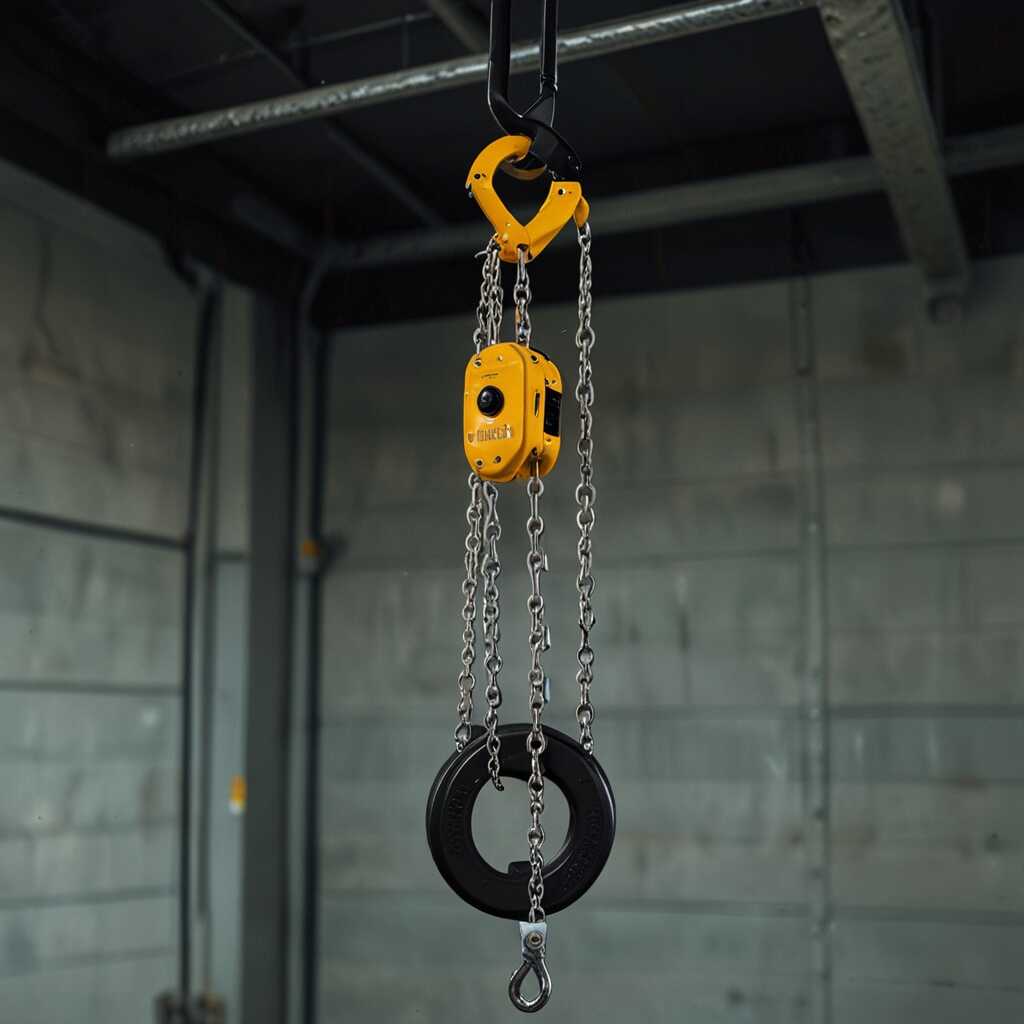
Maintaining manual chain hoists presents some challenges. Users need to be aware of these to ensure optimal performance. The primary maintenance challenge involves potential wear and tear on the chain and hook. Regular inspection is essential to find any signs of damage, such as cracks or wear that could compromise reliability. Lubrication is also crucial for the moving parts. A well-lubricated hoist enhances its functionality and prevents friction-related issues. Another challenge is ensuring compliance with safety standards; users must regularly review the equipment to meet OSHA guidelines. Furthermore, the absence of electronic indicators makes it harder to track performance without manual checks. Increased attention to load testing helps identify any performance issues before they become significant problems.
Key Components Requiring Attention in Manual Chain Hoist Maintenance
The most critical components in manual chain hoists include the chain, hook, and safety latch. The chain often experiences the most stress during use and can suffer from wear or stretching. Regular inspection for visible damage and proper lubrication enhances its lifespan and performance. The hook must be checked for deformation, while the safety latch needs to function correctly to prevent accidental drops. Failure to maintain these components can lead to serious safety risks. Implementing a scheduled review of these parts, alongside a compliance check with safety standards, ensures that manual chain hoists continue to operate reliably.
Advantages of Choosing the Right Hoisting System
- Electric models offer faster lifting speeds that increase productivity during operations.
- Manual hoists are easier to maintain and less expensive in the long run.
- Electric hoists provide more consistent power, suitable for frequent lifting tasks.
- Manual versions use less energy and are friendly to the environment.
- Electric systems have advanced safety features to prevent overload and equipment failures.
- Manual hoists require less training to operate, minimizing setup time.
- Electric options often come with warranty support, reducing costs for repairs.

Regulatory Safety Standards for Hoist Maintenance
Regulatory safety standards play a crucial role in maintaining both electric and manual chain hoists. Compliance with OSHA regulations ensures that operators follow safety protocols to prevent workplace accidents. OSHA mandates that all hoisting equipment must be inspected regularly according to manufacturer guidelines, circuit checks, and component reviews. ASME guidelines provide detailed instructions on the design, testing, and maintenance of hoists, enhancing equipment reliability. For both electric and manual hoists, it is essential to adhere to these standards to ensure safety and efficient operations. Regular inspections are typically recommended every three to twelve months, depending on usage and environmental conditions.
Understanding the Role of OSHA and ASME in Hoist Maintenance
OSHA and ASME guidelines are critical in defining the best practices for hoist maintenance. OSHA requires detailed documentation of maintenance activities, ensuring that operators conduct frequent checks and service reviews. ASME standards offer a comprehensive framework for inspections, including load tests and safety checks. This ensures that both electric and manual chain hoists can handle required loads safely. Furthermore, facilities should have a preventive maintenance program in place that follows these regulations, which enhances overall safety and reliability. Prioritizing these guidelines can greatly improve hoist performance and prolong equipment lifespan.
The Importance of Professional Inspections for Hoist Maintenance
Professional inspections for hoist systems ensure reliability and enhance operational safety. Expert assessments examine critical components such as chains, gears, and electrical systems. Facilities can prevent failures and ensure that equipment performs optimally. Regular reviews provide necessary data on wear, thus helping prioritize maintenance tasks. The frequency of inspections can significantly impact safety performance.
Key Components Reviewed During Inspections
Professional inspections focus on key components of both electric and manual chain hoists. Inspectors evaluate the condition of chains, including links and wear patterns. They also test the hoist’s brake system for reliable stopping power. Electrical connections and controls undergo scrutiny to ensure they meet safety regulations. Any signs of rust or corrosion on metal parts are carefully examined. Scheduling frequent inspections greatly enhances the lifespans of hoists, improving operational efficiency.
Brands and Their Unique Offerings in Hoisting Equipment
- Ingersoll Rand excels in heavy-duty electric hoists with high performance for industrial use.
- Columbus McKinnon stands out for its reliable manual hoists, ideal for construction and maintenance tasks.
- TE拨mi offers pneumatic hoists best for explosive environments, ensuring safety while lifting.
- Jet Tools provides versatile options, appealing to both manual and electric hoisting sectors.
- Champion hoists are known for their compact designs, great for tight spaces and small operations.
- Vestil presents budget-friendly options suited for small businesses with basic lifting needs.
- Rigging Tech focuses on custom lifting solutions for specialized industries, enhancing efficiency and safety.
Effective Best Practices for Hoist Maintenance
Proper maintenance is essential for both electric and manual chain hoists to ensure reliability and performance. Electric hoists require frequent inspections of their electrical components and motors. Manual hoists, on the other hand, need regular lubrication and checks for wear on chains and hooks. Essential tools include wrenches, oil for lubrication, and safety gear for inspections. Ensuring hoist safety involves following a strict schedule for maintenance, which can greatly enhance operational efficiency and mitigate risk. Inspections should occur at least once a month, with maintenance practices tailored to the specific hoist type and usage conditions.
How to Systematically Inspect Hoists for Optimal Performance
To maintain hoists effectively, follow a systematic inspection procedure. Start by checking for any visible damage on the chains or ropes. Look for wear and tear on the mechanical parts. Ensure the hoist operates smoothly without unusual noises. Always lubricate moving parts according to manufacturer recommendations. Use a log to track all inspections and maintenance activities. Regular inspections improve safety and efficiency, ensuring the equipment can handle load demands safely. By systematically reviewing operational performance and compliance, users can execute timely maintenance, ultimately reducing downtime and improving reliability.