The impact of IP protection ratings on electric hoists is crucial for their performance in harsh environments. These ratings indicate how well the hoists can withstand dust, water, and other environmental factors. Hoists World provides a wide range of electric hoists designed for challenging conditions, ensuring that users select products with the right IP ratings for safety and efficiency. Understanding these ratings helps industrial engineers, construction managers, and maintenance personnel to make informed decisions about the lifting equipment they choose.
Introduction to IP Protection Ratings and Their Importance
IP protection ratings, or Ingress Protection ratings, classify the ability of electric hoists to withstand environmental challenges. These ratings are essential for understanding how hoists perform in different conditions. The IP rating consists of two digits. The first digit indicates protection against solids, while the second indicates protection against liquids. Requirements vary based on industry and usage. For example, a hoist rated as IP67 can handle dust and temporary submersion in water. Environmental factors like dust, moisture, and chemicals can impact hoist functionality. Knowing the IP rating helps ensure reliability when selecting hoisting equipment for specific applications. Hoists World offers a broad selection of electric hoists with varying IP ratings, designed to withstand various environmental conditions.
Understanding the Two Digit IP Rating System
The two-digit IP rating system provides valuable information. The first digit ranges from 0 to 6, indicating dust protection levels. A rating of 0 means no protection, while a 6 signifies complete dust-tightness. The second digit ranges from 0 to 8, indicating moisture protection. A rating of 0 means no protection, while 8 signifies protection against continuous submersion. Understanding these ratings ensures operators select the right electric hoist for extreme environments. For example, electric hoists suitable for construction sites often require higher dust and moisture ratings to enhance durability and performance. Hoists World helps customers navigate these ratings, ensuring they choose reliable equipment.
Advantages of High IP Ratings in Extreme Conditions
High IP ratings significantly enhance the reliability and durability of electric hoists in harsh environments. These hoists are designed to resist moisture and dust, which are crucial for operational longevity. For example, an IP65 rating ensures complete protection against dust and low-pressure water jets. This feature is essential in industries such as construction and manufacturing, where equipment faces extreme environmental challenges. In addition to moisture and dust protection, high IP ratings also reduce maintenance requirements and improve overall efficiency, contributing to a safer work environment.
Essential Features of Electric Hoists with Superior IP Ratings
Electric hoists with superior IP ratings offer essential features that enhance their performance in adverse conditions. These hoists typically include sealed motors and waterproof controls, ensuring functionality even in wet or dusty locations. For instance, an electric hoist rated IP67 can withstand temporary immersion in water, making it ideal for outdoor use and areas exposed to heavy rainfall. Choosing a hoist with a high IP rating not only extends equipment lifespan but also increases worksite safety by minimizing the chances of equipment failure due to environmental factors.

Linking IP Ratings to Performance in Specific Environments
Understanding how different IP ratings influence electric hoists is essential for ensuring reliability in challenging environments. For wet areas, IP67 rated hoists are designed to withstand immersion in water, providing reliable performance. In dusty settings, IP65 hoists can handle dust ingress while maintaining functionality. In hazardous locations, look for hoists with IP68 ratings, as they can manage both dust and water exposure effectively. These ratings help guide decisions based on environmental conditions, enhancing safety and operational efficiency.
Recommended Features for Hoists in Harsh Environments
When selecting electric hoists for harsh environments, consider models with enhanced design elements. For example, hoists with corrosion-resistant finishes improve durability in wet and humid settings. Additionally, features like over-temperature protection can enhance performance in fluctuating temperatures. It is important to ensure that the hoist satisfies the minimum IP rating of IP65 for dusty areas and IP67 for wet conditions. Hoists World offers reliable options and expert advice to ensure that you choose the best lifting solutions for your needs.
Key Statistics Regarding Protection Ratings for Equipment
- IP ratings use a two-digit system to indicate protection levels.
- The first digit ranges from 0 (no protection) to 6 (dust-tight).
- The second digit ranges from 0 (no protection) to 9 (high-pressure water jets).
- Electric hoists can have ratings like IP54, indicating dust protection and water splashes.
- Over 30% of lifting equipment failures occur due to environmental factors.
- Proper IP ratings can increase hoist lifespan by up to 50% in harsh conditions.
- Roughly 80% of companies face issues with moisture and dust in their work environments.
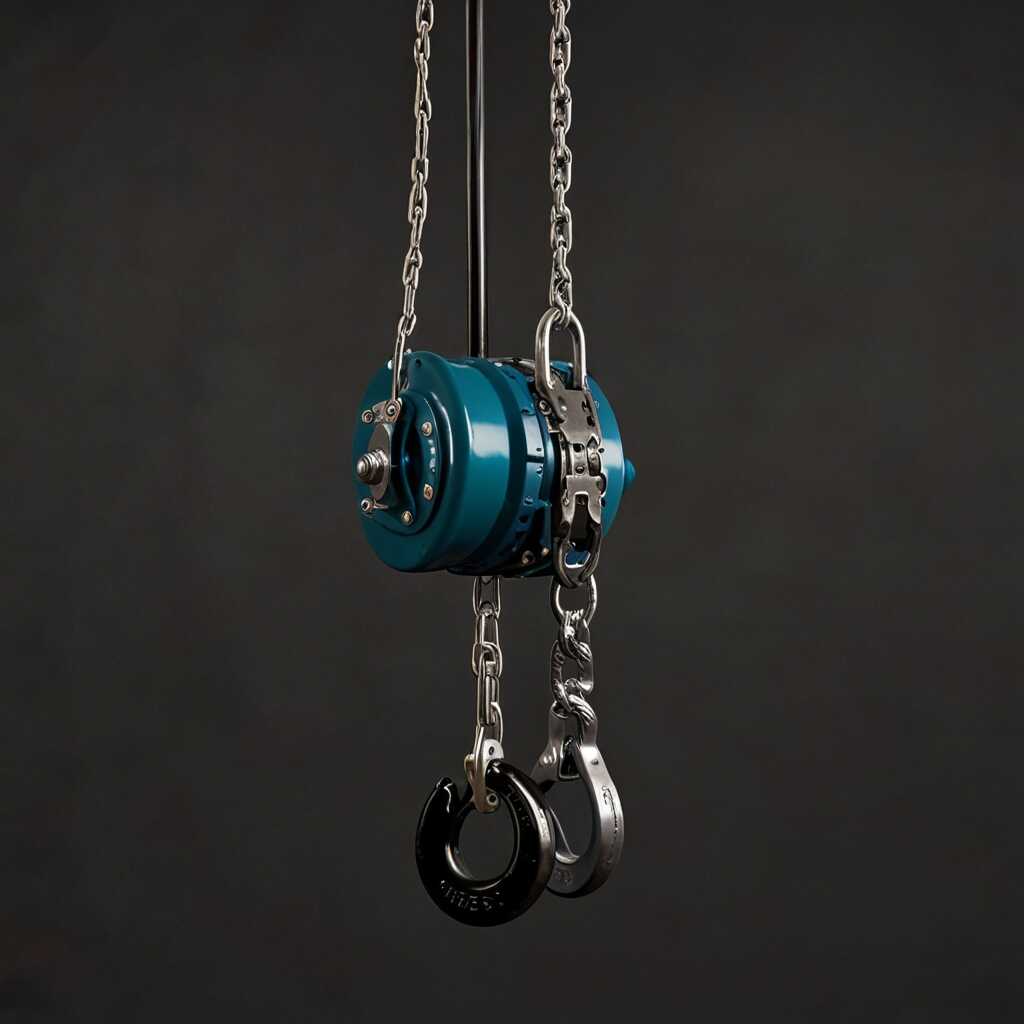
Selecting an Electric Hoist Based on Environmental Needs
When selecting an electric hoist for harsh environments, consider IP protection ratings, load capacity, and working conditions. IP ratings indicate the dust and water resistance of the hoist. Higher IP ratings enhance reliability in environments with moisture, dust, or corrosive materials. The electric hoist selection must match industry-specific challenges. For instance, construction sites may need heavy-duty models with strong safety features, while manufacturing environments may prioritize efficiency and speed. Typical load capacities for rugged electric hoists range from 1 ton to 30 tons, depending on the design and application.
Understanding IP Protection Ratings for Electric Hoists
IP protection ratings are crucial in choosing electric hoists for challenging conditions. An IP rating consists of two digits. The first digit indicates solid object protection, while the second digit indicates water resistance. For example, an IP65 rating means the hoist is dust-tight and resistant to water jets. Selecting a hoist with an appropriate IP rating ensures it can handle environmental challenges like moisture or particulate matter. This careful selection process significantly improves the performance and durability of hoists in demanding sectors, providing operators with reliable equipment that enhances productivity.
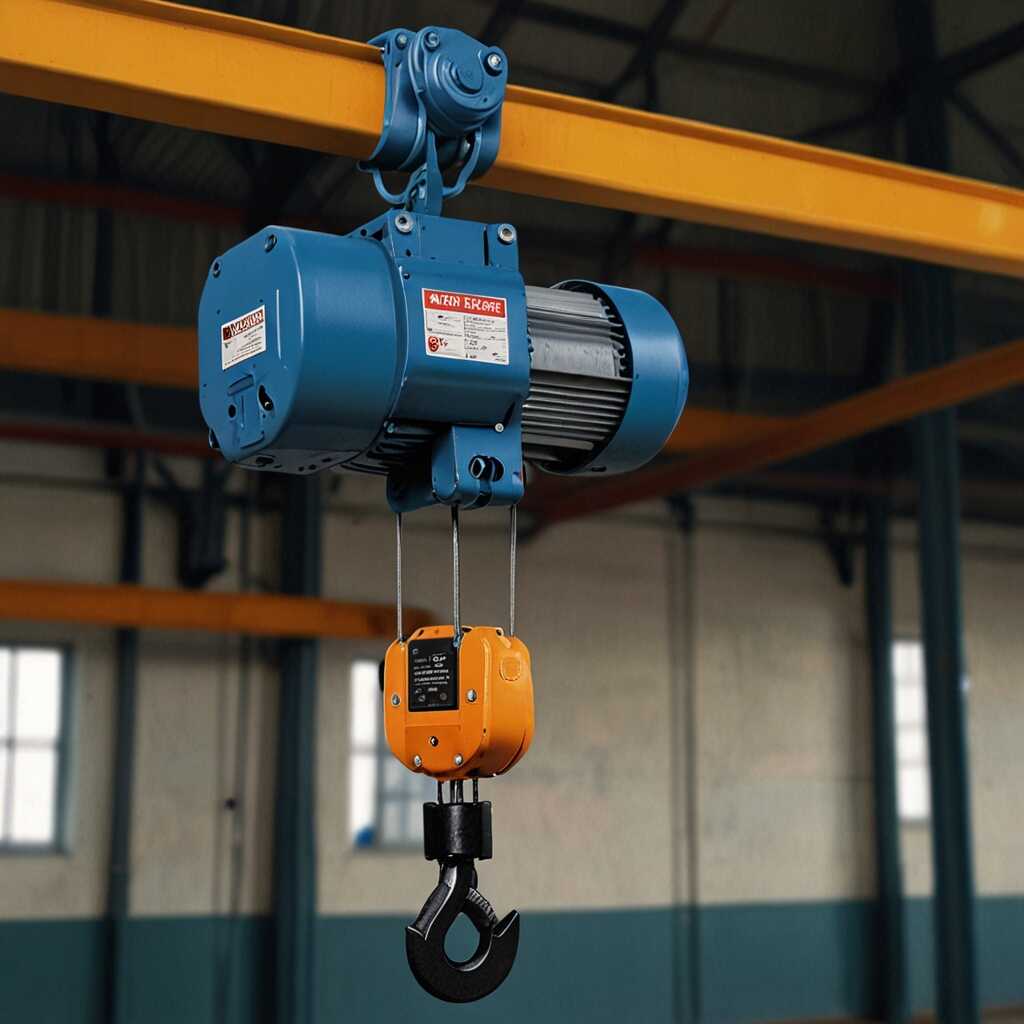
Effective Maintenance Practices for Hoists in Harsh Environments
To maintain the reliability of electric hoists in harsh environments, regular preventative maintenance is essential. Inspect hoists routinely for wear and tear on components such as hooks, chains, and electrical wiring. Regular testing should include function tests, brake checks, and load tests to ensure performance efficiency. Keep records of inspections and repairs to track equipment reliability over time. It is necessary to conduct these inspections monthly or as dictated by usage frequency and environmental stressors. Hoists World offers comprehensive services to help ensure your hoists remain durable and effective.
Essential Inspection Techniques for Electric Hoists
Inspection techniques for electric hoists should focus on both the mechanical and electrical components. Inspect the lifting mechanism for wear, ensure the limit switches are functioning, and evaluate wiring for signs of damage. Testing the braking system can help avoid failures during operation. Consider using specialized inspection tools designed for lifting equipment, as they provide clear and precise results. These inspections, coupled with data from load testing, can enhance the overall efficiency and safety of electric hoists. Committing to an inspection schedule that includes detailed review processes will significantly improve hoist performance and reliability.
Advantages of Proper Environmental Ratings for Hoists
- Higher IP ratings enhance the reliability of equipment in harsh settings.
- Increased durability reduces maintenance costs over time.
- Improved safety minimizes the risk of accidents and equipment failure.
- Specialized IP ratings help users choose suitable electric hoists for specific conditions.
- Resistance to dust and water contributes to better operational efficiency.
- Companies benefit from extended warranties with solid IP-rated products.
- Better compliance with industry safety standards reduces liability risks.

Understanding Testing Methods for IP Ratings and Reliability
This section explores IP rating testing methods such as water spray tests, dust exposure, and pressure tests to evaluate electric hoists. These methods assess equipment durability in challenging environments. Results from these tests significantly impact user trust. Higher IP ratings indicate better protection against factors like water and dust. This enhances reliability in harsh conditions, which is crucial for industrial operations.
Importance of IP Ratings in Harsh Environments
IP ratings play an essential role in determining how well electric hoists withstand harsh environments. For instance, an electric hoist with an IP65 rating is dust-tight and protects against water jets, making it ideal for outdoor or wet locations. Testing methods measure the ability to handle environmental extremes consistently. Users should choose hoists with suitable IP ratings to ensure reliability and maintain operational efficiency. Hoists World provides extensive data on IP ratings, helping users make informed choices for their specific applications.
Examining Real-World Hoist Applications in Harsh Settings
IP ratings significantly affect electric hoists in challenging conditions. For example, an IP67 rating provides complete protection against dust and can withstand immersion in water up to 1 meter. In contrast, an IP54 rating protects against dust in limited quantities and splashes of water. Application case studies often show hoists with higher IP ratings demonstrating better reliability, ensuring consistent performance in environments like construction sites, manufacturing plants, and marine operations. Companies have documented improved efficiency and reduced downtime through thorough IP rating testing and reviews.
Field Examples of Hoists with Varied IP Ratings
Numerous industries utilize electric hoists with different IP ratings. For instance, a marine construction company deployed an IP68-rated hoist for underwater installations. This hoist provides excellent durability and can handle harsh saltwater conditions. Conversely, a manufacturing plant may use an IP54-rated hoist for indoor operations, where dust and minor water splashes occur. Research shows that hoists with higher IP ratings can enhance longevity and performance, improving maintenance schedules and reducing replacement expenses.
Users and Applications for IP-Rated Lifting Solutions
- Construction firms require reliable equipment in diverse weather conditions.
- Agricultural workers need sturdy hoists for various outdoor applications.
- Manufacturing facilities focus on maintaining efficiency and uptime.
- Electric hoists with appropriate IP ratings protect against water and dust exposure.
- Mining operations depend on robust lifting equipment in rough environments.
- Shipbuilding industries demand hoists that can withstand saline conditions.
- Maintenance teams prioritize equipment longevity to minimize work interruptions.
Summary of the Role of IP Ratings in Hoist Selection
Understanding IP protection ratings is crucial when selecting electric hoists for harsh environments. These ratings indicate a hoist’s ability to resist water and dust, which directly impacts its reliability and performance. Higher IP ratings ensure that electric hoists can handle extreme conditions, enhancing their durability and reducing maintenance needs. By reviewing hoist specifications and considering the environment’s challenges, users can choose the best equipment. In testing, hoists with higher IP ratings consistently deliver superior performance, helping to improve safety and efficiency in operations.
Choosing the Right IP Rating for Your Environment
Selecting the appropriate IP rating for electric hoists involves evaluating the specific environmental conditions they will face. For instance, an IP65 rating indicates protection against dust and low-pressure water jets, making it suitable for wet or dusty locations. In contrast, an IP67 rating offers additional waterproof protection, often necessary for outdoor applications exposed to heavy rain. Equipment maintenance becomes easier with higher-rated hoists as they typically demand less frequent servicing. Hoists World provides detailed guides to help customers match the right IP rating with their operational needs, ensuring optimal performance and reliability.