The Importance of Overload Protection Systems for Equipment Safety cannot be overstated. These systems play a crucial role in preventing equipment damage, ensuring safe operation and maintaining functionality. At Hoists World, we understand that effective overload protection optimizes the performance of lifting equipment while safeguarding workers and assets. By implementing reliable overload protection systems, facility managers and construction supervisors can enhance workplace safety and minimize operational downtime.
Understanding Overload Protection Systems and Their Function
Overload protection systems are crucial components designed to safeguard equipment from exceeding their safe operating limits. They operate by detecting excessive loads and engaging safety mechanisms to prevent potential damage. When an overload situation occurs, these systems can either shut down machinery or trigger alarms, ensuring operators remain safe. Overload protection systems play an essential role in maintaining equipment integrity and enhancing safety across various industrial applications, including construction and manufacturing. They are typically incorporated in equipment such as hoists, cranes, and conveyors, which require reliable performance under variable load conditions. This reliability is ensured through rigorous performance testing and adherence to safety standards like OSHA.
Types of Overload Protection Systems Used in Industry
Various types of overload protection systems are employed across industrial settings to enhance safety and operational efficiency. Mechanical overload clutches, electrical overload relays, and load-sensing devices are common examples. Mechanical overload clutches prevent gear damage by disconnecting the drive system when the load exceeds a preset limit. Electrical overload relays automatically stop equipment when excessive electrical current is detected. Load-sensing devices provide real-time data, allowing operators to monitor conditions accurately. These systems enhance the reliability and durability of hoisting solutions and heavy machinery, ensuring they can handle specified loads without failure. Regular performance testing is vital to ensuring these systems function effectively and comply with established safety standards.
Types and Mechanisms of Overload Protection Systems
Overload protection systems come in various types including mechanical, electrical, and hydraulic mechanisms. Mechanical systems, such as shear pins or torque limiters, provide physical limits to prevent excessive load. Electrical overload relays detect increased current flow and disconnect power to protect motors. Hydraulic overload valves automatically limit pressure, preventing machinery from exceeding safe operation levels. Each type enhances equipment safety by ensuring that machinery operates within designated capacity, reducing the risk of damage. Understanding these mechanisms is essential for maintenance personnel to implement effective safety measures and improve equipment longevity.
Understanding Mechanical and Electrical Overload Protections
Mechanical overload protection systems are designed to physically withstand specific loads. For instance, shear pins break when a load exceeds safe limits, ensuring machinery does not experience catastrophic failure. In contrast, electrical overload relays monitor current usage in motors. If a motor draws too much current, the relay disconnects power, preventing overheating and potential burnout. These systems focus on reliability and performance by continuously providing protection. Their proper testing and selection are crucial for optimal functioning, aligning with industry standards. By implementing these overload protection systems, operators enhance equipment efficiency and safety, leading to longer machinery lifespans.
Consequences of Equipment Overloading on Operations
Equipment overload can lead to severe operational risks, such as equipment failure and safety hazards. Overloading strains machinery, often resulting in breakdowns. These breakdowns demand expensive repairs and can disrupt operations, causing a significant increase in repair costs and extended downtime. Equipment lifespan decreases considerably due to excess strain. In construction sites, approximately 25% of machinery failures are directly linked to overload conditions. Proper overload protection systems mitigate these risks, ensuring reliable performance and maintaining operational efficiency.
Understanding the Repair Costs and Downtime Impact
Repair costs associated with equipment overload can vary significantly based on the type of machinery and the extent of damage. For instance, a breakdown in a high-capacity electric chain hoist can cost thousands for parts and labor, leading to extended downtime that can last days or weeks. This downtime translates directly into lost productivity and revenue. Additionally, regular maintenance and proper training help in preventing overload incidents. Organizations like Hoists World provide workplace safety consulting and operator training, ensuring personnel understand equipment limitations and improve operational safety.
Key Statistics on Safety Mechanisms in Equipment Use
- Over 30% of workplace accidents relate to equipment overload issues.
- In 2022, equipment failures cost industries billions in repairs and downtime.
- 80% of equipment users report improved safety with overload protection systems.
- Employers can reduce accident liability by 50% when using these systems.
- U.S. OSHA mandates that safety features like overload protection must be in place for heavy machinery.
- Regular checks on these systems can extend machinery lifespan by up to 40%.
- Industries with safety mechanisms see productivity increases of 20% or more.

Guidelines for Selecting and Maintaining Overload Protection Systems
When choosing overload protection systems for equipment, consider factors like load capacity, environment, and safety standards. Overload protection systems must be reliable, ensuring that they can handle specified weights without failure. They should be designed to fit various industrial applications, such as construction and manufacturing, where equipment use varies. Different industries utilize overload protection systems with specific features that best suit their operations. Regular maintenance is an essential practice, ensuring safety and extending the lifespan of these systems. For best results, conduct inspections at least every six months to identify wear and performance issues.
Key Factors for Overload Protection System Selection
When selecting overload protection systems, consider equipment type, load specifications, and operational environment. Look for systems that meet OSHA safety standards and ASME guidelines. Systems should be durable and designed to withstand harsh conditions common in industrial settings. Review customer feedback for the best options available, and ensure that products have good performance records. Keeping equipment specifications in mind helps in deciding the right overload protection system that enhances safety and efficiency across varied applications.
Industry Standards and Regulations for Overload Protection
Industry standards for overload protection systems include guidelines established by organizations such as OSHA and ASME. These organizations ensure compliance through rigorous testing and inspections. For instance, OSHA provides regulations for workplace safety, determining how lifting equipment should handle overload. ASME continues to refine the regulations covering performance and durability. The effective load limit must typically not exceed 125% of the rated capacity for most equipment. These standards provide a foundation that enhances safety in the workplace.
Understanding OSHA and ASME Regulations for Lifting Equipment
OSHA and ASME play critical roles in enhancing the reliability and safety of lifting equipment through their regulations. OSHA standards specifically highlight the importance of overload protection mechanisms. ASME outlines the performance criteria for equipment testing, emphasizing that lifting systems must withstand specified overload conditions without failing. These regulations require thorough inspections and maintenance to ensure compliance. Regular testing and certification of overload protection systems can help facilities meet legal requirements while enhancing operational efficiency and worker safety.
Advantages of Implementing Safety Features in Machinery
- These mechanisms prevent machinery damage, reducing upkeep costs.
- Overload protection systems help prevent injuries to operators and nearby personnel.
- Employees feel safer, boosting morale and productivity on the job site.
- These tools promote better compliance with safety regulations, avoiding fines.
- They enhance machinery longevity, maximizing return on investment.
- Planning necessary repairs becomes easier with maintained equipment integrity.
- Using these systems improves overall workflow efficiency and operation reliability.

Case Studies Showcasing Effective Overload Protection Solutions
Real-world examples highlight the effectiveness of overload protection systems in industrial settings. For instance, a construction site in Washington faced repeated equipment failures due to overloading. By installing overload protection systems on their electric chain hoists, they reduced downtime by 40% and increased overall reliability. The systems provided essential monitoring features, alerting operators before reaching critical limits. Another example includes a manufacturing plant that utilized pneumatic hoists with integrated overload safeguards. These features helped prevent equipment damage, ensuring the hoists consistently handled specified load capacities. Overall, these case studies illustrate the importance of overload protection in improving safety outcomes and productivity.
Types of Equipment Benefiting from Overload Protection
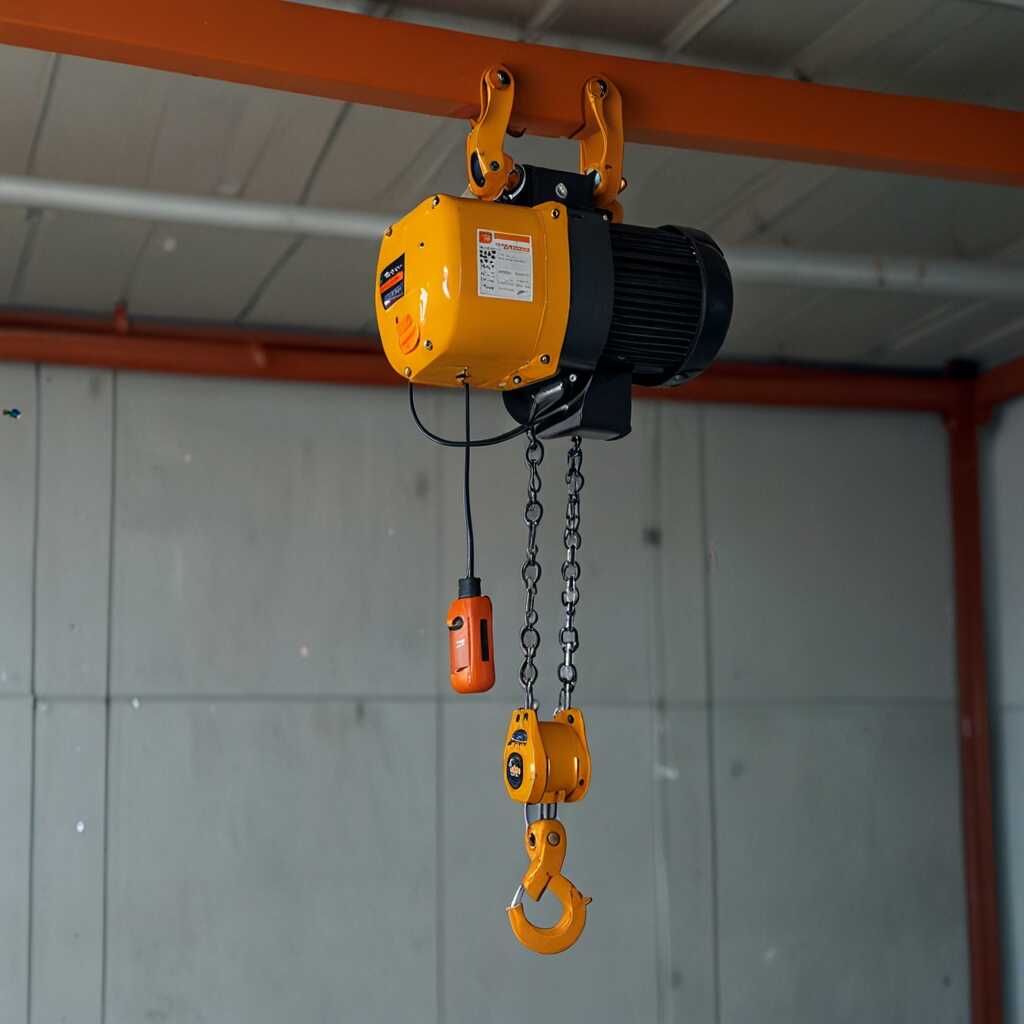
Various equipment types gain significant advantages from overload protection systems. Electric chain hoists, frequently used in manufacturing, effectively reduce the risk of overloading during heavy lifts. Similarly, pneumatic hoists protect machinery in explosive environments by limiting excess load application. Overhead crane systems incorporate overload sensors to enhance safety and functionality. By providing real-time data, these systems ensure the equipment operates within safe limits, preventing damage and increasing efficiency. Implementing overload protection in these systems is crucial for maintaining reliability and prolonging lifespan, ultimately leading to greater workplace safety.
Emerging Trends and Innovations in Overload Protection Technology
Recent advancements in overload protection technologies focus on enhancing safety and efficiency in industrial environments. Smart overload protection systems now include real-time monitoring and data analysis features. These systems provide vital overload alerts, ensuring immediate corrective actions when necessary. Leading manufacturers, including Hoists World, offer innovative solutions featuring advanced sensors designed to detect anomalies. The market for overload protection systems is expected to grow significantly by 2025, driven by an increasing awareness of workplace safety and the need for effective risk management. Comprehensive testing and user reviews confirm the reliability and performance of these new technologies.
Key Features of Advanced Overload Protection Systems
Advanced overload protection systems are designed with numerous essential features that significantly enhance safety. These systems often include integrated overload sensors that consistently monitor load conditions. They provide immediate alerts when loads exceed capacities, minimizing the risk of equipment failure. Many systems also feature user-friendly interfaces that allow operators to easily access status data. Furthermore, custom configurations enable industrial facilities to tailor overload protection to specific applications. Hoists World’s offerings reflect these advancements, providing dependable equipment backed by rigorous safety testing. This commitment to innovation ensures that users can rely on top-quality overload protection systems for their operations.
Popularity and Use Cases in the Equipment Sector
- Construction companies often use overload systems for cranes and hoists.
- Manufacturers favor electric chain hoists to lift heavy materials safely.
- Logistics providers need dependable lifting to ensure safe package handling.
- Factories use pneumatic hoists in areas with flammable materials to enhance safety.
- Maintenance crews rely on reliable systems to prevent machinery complications.
- All types of industries must train staff on proper use of these safety features.
- Regulatory bodies often require specific safety mechanisms in various sectors.
Summarizing the Need for Overload Protection Systems in Industry
Overload protection systems are essential for maintaining equipment safety in various industrial settings. These systems help prevent equipment damage and reduce accidents by detecting excessive loads on hoisting devices. Industries such as construction, manufacturing, and warehousing rely heavily on reliable hoisting solutions equipped with overload protection systems. This helps enhance safety and efficiency while ensuring compliance with OSHA standards. Maintaining proper overload systems is proven to reduce downtime and maintenance costs, contributing to overall operational effectiveness.
Understanding the Role of Overload Protection in Workplaces
Overload protection systems play a critical role in workplaces by safeguarding operators and equipment. In industries where heavy lifting is commonplace, installing the right number of overload protection systems per hoisting equipment can significantly improve reliability and safety. These systems are designed to detect overloads and automatically halt operations, which prevents severe equipment failure and accidents. Regular testing and maintenance of overload protection systems enhance durability and ensure they function correctly. By prioritizing the installation of these safety measures, businesses can create a safer working environment that minimizes risks and maximizes productivity.