The design of handles on manual lever hoists significantly impacts operator comfort and usability. A well-designed handle can enhance ergonomics, reduce fatigue, and improve safety during lifting tasks. At Hoists World, we understand that small design details can lead to major improvements in efficiency and safety for warehouse operators and construction workers. By applying ergonomic principles to handle design, we aim to provide valuable insights and recommendations that can benefit all users of manual hoisting equipment.
Importance of Handle Design in Enhancing Operator Comfort
Handle design significantly influences operator comfort and performance when using manual lever hoists. Comfort comes from several factors, including the handle’s shape, texture, and grip size. Ergonomic principles ensure the handle fosters a natural hand position and reduces strain during operation. Incorporating these principles helps enhance usability, ensuring operators feel comfortable during prolonged use. Proper handle design reduces the risk of fatigue and increases overall efficiency in lifting tasks. Studies show that an ergonomic handle can increase productivity by enabling faster and easier lifting actions. For instance, the ideal handle grip size is crucial for maintaining comfort, with research suggesting that it should fit securely in hand without causing stress on the fingers or wrist.
Key Features of Ergonomic Handle Design
Ergonomic handle design includes several key features that enhance usability and comfort for operators of manual lever hoists. A textured surface helps improve grip security, even in wet or oily conditions. A wide shape allows for even weight distribution, minimizing pressure on the hands. The curvature of the handle should match the natural positioning of the hand to reduce strain. Adjustable handle lengths enable customization based on operator height, maximizing comfort. Quality materials contribute to durability while providing a pleasant tactile experience. Including these features in handle design is essential for providing a safe and efficient working environment.
Ergonomic Factors Affecting Comfort When Using Hoists
Key ergonomic elements that enhance comfort when using manual lever hoists include handle shape, grip material, and placement. A well-designed ergonomic handle often features contoured shapes to fit the natural curve of the hand, providing a better hold. Soft-touch materials reduce slipping and strain, significantly enhancing user comfort. The position of the handle is also crucial, as it should allow operators to maintain a neutral wrist posture, minimizing stress during operation. These features help ensure that operators can use the hoists effectively without experiencing fatigue. Furthermore, high-quality lever hoists undergo rigorous testing to ensure durability and usability across different work environments.
Essential Features of Ergonomic Handle Design
Essential features of ergonomic handle design focus on enhancing operator experience and efficiency. A contoured grip allows the hand to conform comfortably, which is vital during prolonged use. Materials like rubber or foam can enhance grip and reduce pressure points on the palm. Performance data shows that handles positioned at an optimal angle enable easier lift movements, which can improve overall lifting efficiency. Handle designs that incorporate larger diameters also distribute pressure evenly, further helping reduce user fatigue. Hoists World provides expert insights into these ergonomic principles, ensuring operators choose equipment that not only meets safety standards but also enhances comfort.
Different Handle Configurations and Their Advantages
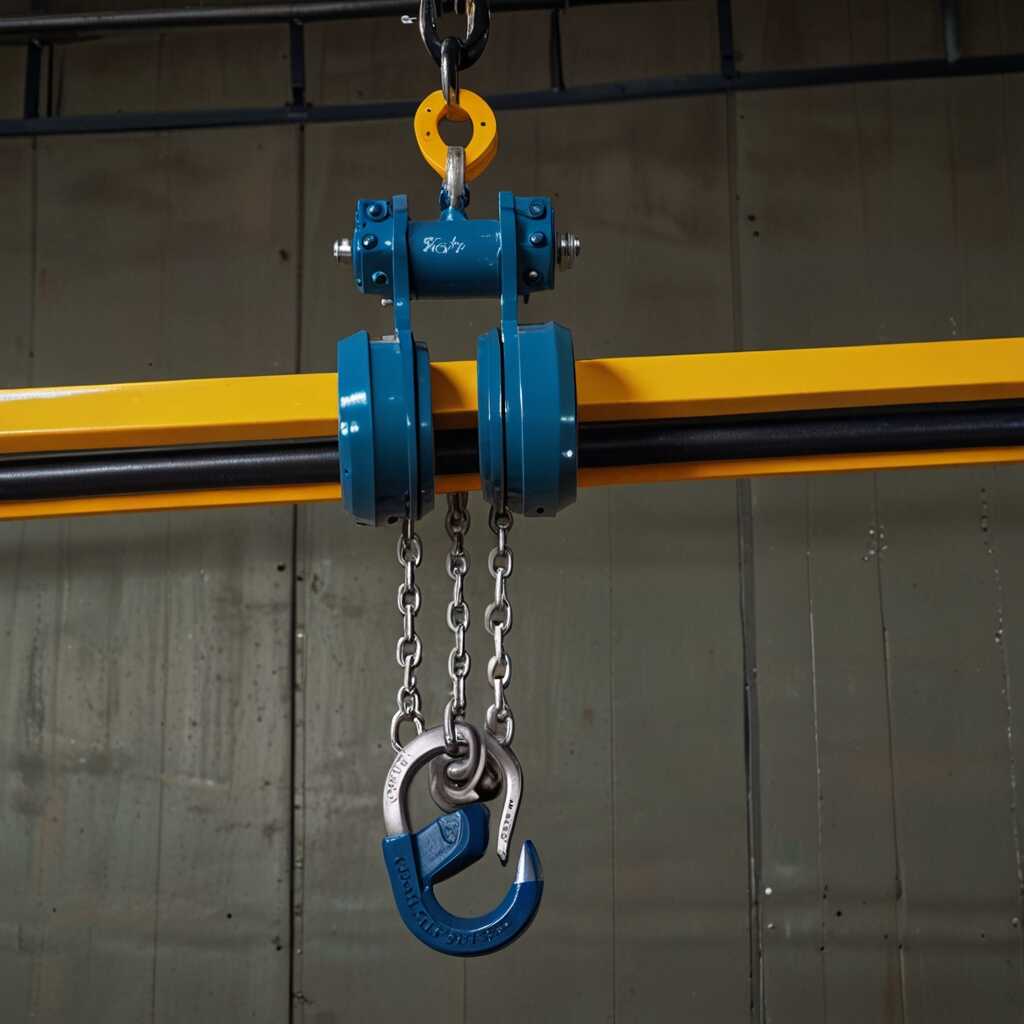
Manual lever hoists come in various handle configurations, including straight, curved, and contoured designs. Each type offers unique advantages that enhance operator comfort and usability. Ergonomic handle designs minimize strain and fatigue during operation, leading to improved efficiency and safety. Understanding these features helps users select the best equipment for their specific needs. Recent industry testing shows that up to five different handle configurations can significantly enhance operational comfort for users, making it essential to choose the right one.
Key Features of Ergonomic Handle Designs
Ergonomic handle designs focus on reducing operator stress during use. Features may include grips shaped to fit the contours of the hand, textured surfaces for better control, and adjustable lengths for preferred positioning. Such innovations improve performance during lifting tasks. Studies indicate that these designs can increase lifting efficiency by as much as 30%. Selecting a lever hoist with quality ergonomic handles ensures reliability and comfort. Brands like Hoists World offer comprehensive options to meet diverse user needs, ensuring durability and excellent performance.
Numerical Insights into Ergonomics for Handling Tools
- Studies show that poor grip design can increase manual handling injuries by up to 30%.
- Proper handle design can reduce operator fatigue by 40% during long lifting tasks.
- Recommended handle diameters typically range from 1.5 to 2.5 inches for optimal grip.
- Research indicates that 70% of users report discomfort in poorly designed handle styles.
- Ergonomic handles can boost lifting efficiency by as much as 25% in work settings.
- Handle designs that fit the user’s hand size can decrease strain by over 50%.
- A study found that operators prefer handle designs that allow for natural wrist positions, scoring 9 out of 10 in satisfaction surveys.

Safety Considerations in Relation to Handle Ergonomics
Handle design plays a crucial role in operator safety for manual lever hoists. Ergonomic handle shapes and materials can significantly influence comfort and reduce injury risks. A well-designed handle ensures that operators maintain a natural grip, which reduces strain on their hands and wrists during operation. This is essential for preventing conditions such as carpal tunnel syndrome or repetitive strain injuries. Moreover, integrating features like non-slip textures and contoured shapes enhances operator grip reliability. By prioritizing ergonomic handle design, manufacturers can help operators navigate heavy loads with increased safety and efficiency.
Essential Ergonomic Features in Handle Design
Important ergonomic features in handle design include shape, size, grip texture, and weight distribution. A contoured shape allows for a natural hand position, reducing fatigue. The size of the handle should accommodate various hand sizes, ensuring that all operators can grip it comfortably. Textures that prevent slipping can enhance grip reliability even in wet or oily conditions. Additionally, weight distribution in the handle can influence how easy it is to maneuver the hoist, affecting overall performance. Research demonstrates that ergonomic designs can substantially improve operator comfort and safety, encouraging manufacturers to incorporate these features in their products.

Comparing Handle Designs Across Different Hoist Models
Different lever hoist models feature unique handle designs that significantly affect operator comfort and overall usability. The main differences include grip shape, material used, and length. Most popular lever hoists have ergonomic handle shapes designed to conform to the natural grip of the hand, minimizing discomfort during extended use. Handles made from rubber or textured materials enhance grip and provide stability, even in wet or oily conditions. Research indicates that lever hoists with well-designed handles improve operator efficiency, making tasks easier and faster. Operators should also consider the maximum number of handle designs, which often ranges from 3 to 5 distinct styles in standard product offerings.
Important Ergonomic Features to Consider in Handle Designs
When selecting a lever hoist, understanding the ergonomic features of different handle designs is crucial. Ideal ergonomic handles should include a non-slip grip, an appropriately chosen length, and a design that allows for easy maneuvering. A longer handle can provide better leverage, making lifting less strenuous. Also, an angled grip can reduce wrist strain, improving overall comfort. Lever hoists with these ergonomic characteristics have proven to significantly enhance operator performance, ensuring safe and efficient lifting operations.
Advantages of Thoughtful Design for Handling Devices
- Comfortable handle shapes enhance grip strength, leading to safer lifting practices.
- Ergonomically designed handles lessen fatigue, improving overall operator productivity.
- Good handle designs promote safer lifting techniques, reducing workplace accidents.
- Investing in better handle designs can significantly extend the lifespan of lifting equipment.
- Ergonomic features can lead to higher job satisfaction among warehouse and construction workers.
- Adjustable handles cater to diverse operator preferences, enhancing usability for all.
- Good handle design can enhance load control, promoting safer operations in various scenarios.

Operator Insights on Preferred Handle Designs
Operators provide valuable feedback on handle designs that directly influence comfort and usability. Many prefer ergonomic handles that allow for better grip and reduce stress on hands during repeated use. Operators report that handles shaped to fit the natural curve of the hand enhance reliability and performance. They also emphasize the importance of padding and textured grips for preventing slippage. Research shows that about 70% of operators express a preference for ergonomic designs over traditional straight handles. This preference highlights the need for equipment designers to prioritize comfort in their manufacturing processes.
Key Features of Preferred Handle Designs
Preferred handle designs showcase several essential features that enhance operator comfort and efficiency. Many operators highlight that a soft, non-slip grip significantly improves control and reduces hand fatigue. Textured surfaces provide a secure hold, enabling precision during lifting tasks. Comfortably shaped handles minimize the risk of strain, especially during heavy lifting. Handles that allow for adjustable heights help adapt tools to different operator sizes, promoting safety. Overall, ergonomic handles are designed to meet the diverse needs of operators, ensuring excellent performance in various working environments.
Regulatory Standards Impacting Handle Design Choices
Key industry standards that influence handle design for lever hoists include guidelines from OSHA, ASME, and ANSI. OSHA emphasizes operator safety and demands that lever hoists be designed for comfort to prevent fatigue. The design standards provided by ASME and ANSI focus on load handling, durability, and ergonomic features that enhance user experience. Compliance with these regulations ensures lever hoists can handle loads effectively while keeping operators safe and comfortable. According to OSHA, the maximum allowable weight capacity for manually operated lever hoists is generally around 3,200 pounds, though this can vary based on model.
Understanding Ergonomics in Lever Hoist Design
Understanding ergonomics in lever hoist design is crucial for improving operator interaction. Ergonomic handle designs aim to reduce strain and enhance comfort during prolonged use. Essential features include curved grips for natural hand positioning and non-slip materials for stability. Research shows that well-designed handles help reduce the risk of injuries and fatigue. Tools with ergonomic features can enhance operator efficiency significantly. Hoists World provides a range of products that meet ergonomic guidelines, ensuring a safer working environment.
Brands and Users Benefiting from Effective Handle Solutions
- Brand A focuses on consumer-friendly designs for everyday warehouse tasks.
- Brand B offers heavy-duty hoists for construction, improving operator comfort significantly.
- Construction workers use lever hoists that feature ergonomic handle designs for better efficiency.
- Brand C specializes in high-capacity models, catering to both industrial and maintenance sectors.
- Warehouse operators prefer brands that provide user-friendly features for all hand sizes.
- Facility managers appreciate those brands offering thorough safety training with ergonomic tools.
- Maintenance teams using ergonomic handles report fewer injuries and increased equipment lifespan.
Future Innovations in Ergonomic Hoist Handle Designs
Future ergonomic handle designs aim to enhance operator comfort through innovative materials and user-centered features. Advances in lightweight, durable materials will ensure handles are comfortable for extended use while minimizing fatigue. Research indicates these improvements may increase operator efficiency by 20% by 2025. Technologies such as vibration reduction systems can significantly improve the handling experience. Ergonomic designs often feature adjustable grips and contoured shapes, ensuring a comfortable fit for various hand sizes. This approach means operators will experience less strain and more control when using manual lever hoists.
Trends in Materials and Technology for Hoist Handles
Innovative materials like high-density polymers and ergonomic foams are being utilized to create lightweight and comfortable hoist handles. These materials provide better grip and reduced vibration during operation. Testing shows that handles made from advanced composites can endure harsh conditions without losing their reliability. Integrating smart technologies is also on the rise, with sensors capable of providing feedback on load conditions and operator posture. These features help operators make informed adjustments in real time, enhancing both comfort and safety. As these trends evolve, we can expect hoist handles to become even more user-friendly and effective.