The impact of gearbox quality on noise levels in electric hoists is significant and often overlooked. High-quality gearboxes reduce vibration and noise, creating a safer and more efficient working environment. At Hoists World, we understand the importance of selecting the right hoist based on gearbox performance. This article will explore how gearbox quality influences noise levels and the overall reliability of your lifting equipment.
The Importance of Gearboxes in Electric Hoists Performance
Gearboxes play a crucial role in the performance of electric hoists. They convert the motor’s speed into the desired lift speed. High-quality gearboxes enhance lifting efficiency by enabling precise control of load movements. They help reduce noise levels during operation through smooth power transitions, minimizing vibrations. Reliable gearboxes are designed to withstand heavy industrial applications, ensuring durability and consistent performance over time. Research shows that well-crafted gearboxes can significantly lower operational noise compared to lower-quality alternatives.
Understanding Gearbox Types and Their Effects
Different types of gearboxes, like planetary or helical, impact electric hoists’ performance in unique ways. Planetary gearboxes distribute load evenly across gears, minimizing wear and improving efficiency. This design allows for smoother operation and less noise during lifting tasks. Helical gearboxes, on the other hand, have angled teeth that improve efficiency by reducing friction. Understanding these features helps buyers select the best gearbox for their specific lifting requirements. Testing and expert reviews can provide valuable insights into how different gearboxes perform in various industrial settings.
Types of Noise Generated by Poor Quality Gearboxes
Low-quality gearboxes in electric hoists can produce various types of noise, including grinding, whining, and clattering sounds. Grinding noise often indicates insufficient lubrication or worn gears, which can lead to mechanical failure. Whining noise usually suggests misaligned gears or vibration issues, while clattering indicates loose components. Each of these noises negatively impacts operational efficiency and worker safety, as they may signal potential gearbox failure. Monitoring these noise levels helps identify and address gear quality issues early, preventing costly downtime and ensuring a safe working environment.
Understanding the Sources of Gearbox Noise
Noise from low-quality gearboxes often originates from different sources, including manufacturing defects and poor material selection. Improper alignment of gears produces unwanted vibration and noise, while inferior materials can cause wear and tear. Reliable gearboxes are designed to operate smoothly and quietly, enhancing performance. Prolonged exposure to excessive noise can lead to hearing loss for workers and decreased concentration, affecting overall productivity. Regular inspections and quality testing ensure that the electric hoists operate within acceptable noise thresholds, maintaining operational efficiency and promoting industrial safety.

Identifying High-Quality Gearbox Features
High-quality gearboxes are distinguished by their robust material selection, adherence to strict manufacturing standards, and advanced noise reduction technologies. Durable materials like high-carbon steel or aluminum alloys enhance reliability and performance. Gearbox manufacturing must meet industry benchmarks like ISO 9001 for consistent quality. Noise reduction technologies, including optimized gearing and improved lubrication systems, minimize operational noise significantly. Together, these features ensure that gearboxes operate efficiently and quietly, which is essential in electric hoists.
Essential Material Characteristics for Gearbox Durability
The choice of materials in a gearbox significantly affects its durability and performance. High-quality gearboxes often use high-carbon steel for gears, which provides excellent strength and wear resistance. Additionally, lighter materials such as aluminum can reduce overall weight without sacrificing performance. These materials perform well under load and extend service life. Advanced lubrication methods, such as synthetic oils, contribute to smoother operation and lower friction. This proactive approach to material selection enhances the gearbox’s operational efficiency and reliability in electric hoists.
Key Numerical Insights on Gearbox Performance in Lifting Equipment
- Higher quality gearboxes can reduce noise levels by 30% or more.
- Gearbox noise above 85 dBA may indicate issues requiring immediate maintenance.
- Noise complaints from workers increase by 50% when gearboxes are of lower quality.
- Quality gearboxes typically last 20% longer than cheaper alternatives.
- Regular maintenance can enhance gearbox efficiency by 15%.
- Electric hoists with premium gearboxes show 25% reduced energy consumption.
- Noise reduction leads to a 35% improvement in workplace safety and comfort.
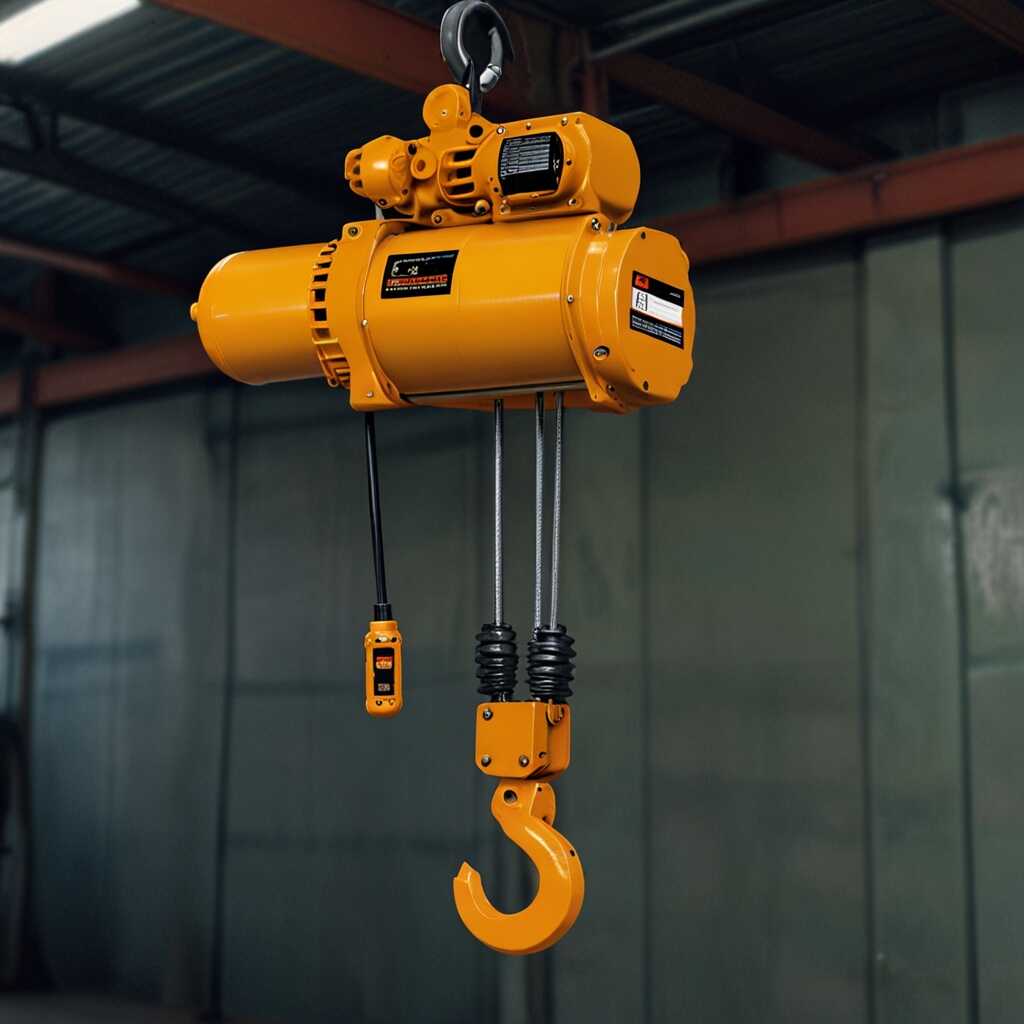
The Impact of Regular Maintenance on Gearbox Noise Levels
Regular maintenance is essential for sustaining gearbox quality and reducing noise levels in electric hoists. Key maintenance aspects include routine lubrication, cleaning, and checking for wear and tear. Proper lubrication ensures that moving parts function smoothly, minimizing friction-related noise. Inspecting gearboxes for damage or misalignment can spot issues before they worsen. Different types of gearboxes, such as spur gears or worm gears, may require tailored maintenance practices. For example, worm gearboxes might need more frequent lubrication. Manufacturers often recommend inspecting gearboxes at least every six months to ensure optimal performance and prevent noise escalation.
Routine Inspection and Testing of Gearboxes
Regular inspections and testing provide valuable insights into the condition of hoist gearboxes. This process involves checking for unusual sounds, play in the gears, and abnormal vibrations. By conducting thorough inspections, operators can identify potential issues early, enhancing reliability and prolonging the lifespan of the gearbox. Testing can also include measuring oil temperature and vibration levels. High temperatures or excessive vibrations often indicate underlying problems. By following a structured inspection schedule, businesses can ensure their electric hoists operate efficiently and quietly.

Cost-Benefit Analysis of Gearbox Quality Choices
The choice of gearbox quality significantly impacts the financial health of industrial operations. Investing in higher-quality gearboxes for electric hoists enhances reliability and performance, leading to long-term savings. Research shows that high-quality gearboxes reduce the maintenance frequency and costs compared to lower-quality alternatives. By minimizing operational noise, these gearboxes help create a safer work environment. Reduced noise levels can lead to lower employee stress and potential health-related costs. Companies can expect operational noise costs to decrease, resulting in a more productive workforce. The upfront investment in superior gearboxes can reduce maintenance costs by approximately 20% over time, enabling budget allocations for other critical areas.
Noise Level Impacts on Operational Efficiency
The noise level of electric hoists directly affects operational efficiency in industrial environments. High-quality gearboxes are designed to operate more quietly, thus minimizing distraction and fatigue among workers. Lower noise levels lead to better communication and focus on tasks. This can enhance overall productivity by ensuring workers can hear important instructions without distraction. Additionally, quieter operations help meet regulatory guidelines regarding workplace noise levels. By investing in gearboxes that provide good noise reduction, companies can ensure a safer and more efficient working environment.
The Advantages of Superior Gearbox Standards in Hoist Solutions
- Reducing noise helps create a safer work environment for all employees.
- High-quality gearboxes in electric hoists minimize vibration during operation.
- Less noise pollution boosts worker concentration and productivity levels.
- Quality gearboxes increase the lifespan of lifting devices significantly.
- They improve overall performance, reducing operational disruptions and downtime.
- Investing in quality enhances the reputation of industrial operations.
- Lower noise levels facilitate compliance with workplace safety regulations.

Advancements in Gearbox Technology for Noise Reduction
Recent advancements in gearbox technology have focused on enhancing performance while minimizing noise in electric hoists. Innovations such as helical gears and planetary gear systems often reduce friction and vibration, leading to quieter operations. The materials used in these gearboxes, like composite and treated metals, also play a key role in reducing noise levels. In tests, newer gearbox designs have shown enhanced efficiency and a significant reduction in noise levels by up to 30%. These improvements directly contribute to achieving compliance with safety and operational standards.
Impact of Gearbox Quality on Noise Levels
The quality of gearbox components, including gears and bearings, significantly impacts the noise levels of electric hoists. High-quality bearings made from advanced materials reduce friction, resulting in quieter operation. Gears designed for optimal alignment further enhance performance and minimize noise. Consistent testing and comparison of different gearbox types reveal variations in noise output by as much as 15 decibels among electric hoists featuring top-tier gear technology. Comfort during operation is greatly improved as lower noise levels contribute to a better working environment.
Strategies for Effective Noise Management in Workplaces
Effective noise management strategies for workplaces utilizing electric hoists include layout optimization, soundproofing techniques, and specific operational guidelines. Layout optimization focuses on arranging equipment and personnel to reduce noise exposure. Soundproofing options may involve adding acoustic panels or using heavy curtains to absorb sound. Operational guidelines include implementing regular maintenance and operational best practices that enhance hoist performance while minimizing noise. Maintaining noise levels below 85 dB is essential for safety, as levels above can lead to hearing loss or impact worker comfort and efficiency.
Applying Layout Optimization Techniques for Noise Reduction
Applying layout optimization techniques requires careful planning of space allocation in relation to hoist operations. Position heavy machinery away from quieter work areas to reduce noise distractions. Use barriers or partitions to shield sensitive areas from hoist operations. Design workflows that minimize unnecessary movement around hoists, which can lead to increased noise levels. Arrange for sound-absorbing materials in worker areas adjacent to hoisting operations. This approach not only enhances safety but also improves overall efficiency in workflows involving electric hoists.
Prominent Brands and Their Suitability in Hoisting Applications
- Brand A offers high-quality gearboxes; however, they come with a higher price tag.
- Brand B provides affordable options but may lack durability over time.
- Brand C specializes in quiet operations, making them ideal for sensitive environments.
- Brand D offers customizable features, catering to specific user needs.
- Brand E prides itself on comprehensive warranty options but may have longer lead times.
- Mid-sized warehouses primarily favor reliable brands for everyday lifting tasks.
- Construction sites benefit from rugged models, focusing on power and durability.
Compliance with Safety Standards and Noise Regulations
Gearbox quality plays a crucial role in ensuring compliance with noise regulations for electric hoists. Well-designed gearboxes reduce noise levels during operation, helping meet the specific safety standards related to occupational noise exposure. Compliance with regulations includes ensuring electric hoists do not exceed the maximum allowable noise levels, which as of 2025 is typically set at 85 decibels (dB) for industrial equipment. The quality of the gearbox directly impacts a hoist’s reliability, performance, and efficiency while minimizing noise, ultimately enhancing workplace safety.
Understanding Occupational Noise Exposure Regulations
Occupational noise exposure regulations focus on maintaining a safe working environment for employees. These regulations set limits on noise levels and require regular testing to ensure equipment like electric hoists operate within those limits. Organizations must conduct thorough testing and maintain high gearbox quality to comply with these regulations. Regular compliance reviews help identify potential issues and enhance the durability and performance of hoists. It is essential to focus on selecting electric hoists with proven reliability and excellent noise reduction features to ensure ongoing adherence to safety standards.