Effective operator training for industrial hoisting equipment is crucial to ensure safety and operational efficiency. Proper training helps operators understand equipment handling, safety protocols, and maintenance requirements. At Hoists World, we believe that comprehensive training not only complies with OSHA standards but also promotes a safe working environment. This article will guide you through best practices, certification requirements, and safety considerations for successfully training your team in hoisting operations.
Understanding the Importance of Training for Hoisting Equipment
Operator training is essential for industrial hoisting equipment due to its direct impact on workplace safety and operational efficiency. Proper training ensures that operators understand hoisting safety guidelines and can handle equipment reliably. A well-structured training program includes hands-on experience and theoretical knowledge. Critical components of these programs are skill assessment, safety protocols, and emergency response training. Effective training also improves equipment longevity by reducing misuse and ensuring best practices are followed. Additionally, it meets regulatory compliance standards and boosts employee confidence while operating machinery. New operators should receive a minimum of 24 hours of training to familiarize themselves with the equipment.
Key Elements of Effective Operator Training
Effective operator training for industrial hoisting equipment includes several key elements. One essential aspect is hands-on practice with the specific machinery the operators will use. This helps them gain confidence in their skills. Safety procedures must also be thoroughly covered. Topics such as pre-operational checks, load limits, and rigging techniques enhance operator knowledge crucial for safe operations. Regular assessments and refresher training sessions ensure operators stay current with best practices. Involvement of experienced trainers adds to the quality of training. Hoists World emphasizes that ongoing training can significantly improve safety and operational effectiveness in any industrial setting.
Assessing the Training Needs of Operators
Effective operator training begins with a thorough training needs assessment. Companies should consider factors such as operator experience level, the specific hoisting equipment used, and compliance with safety regulations. Evaluating operator capabilities involves reviewing their past training, analyzing performance data, and identifying gaps in knowledge. This process enables companies to design targeted training programs that enhance safety and operational efficiency. A significant percentage, typically around 40% of operators, may require additional training after their initial certification to stay updated on safety practices and equipment advancements.
Identifying Equipment-Specific Training Requirements
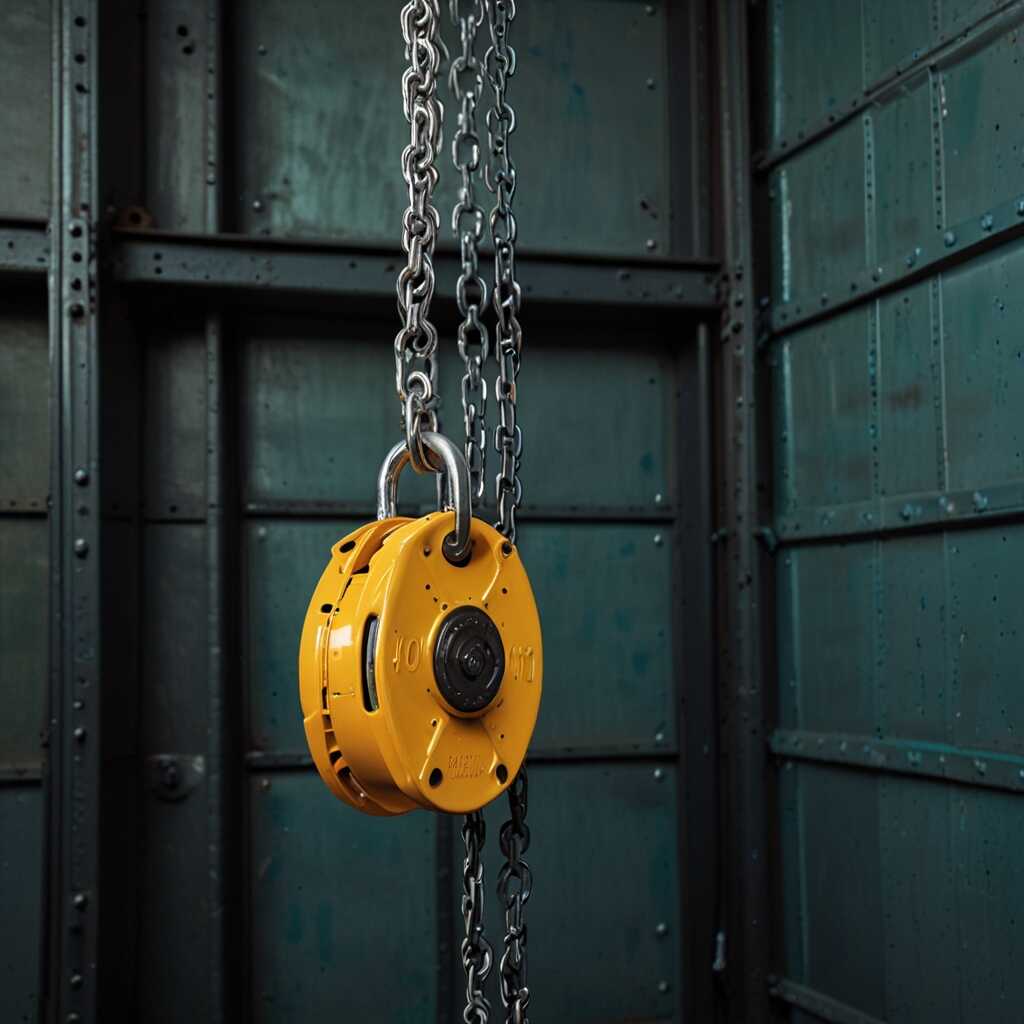
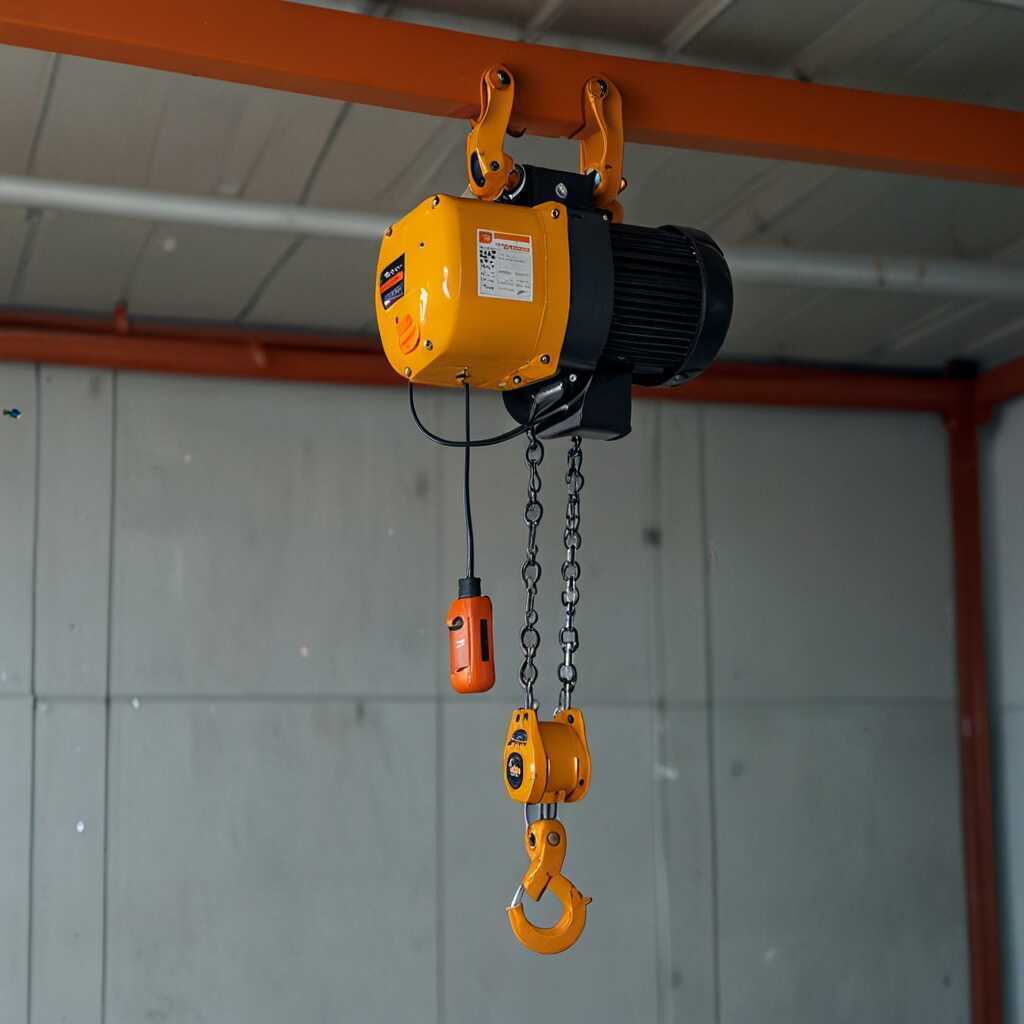
Identifying equipment-specific training requirements is critical for effective operator training. Different types of hoisting equipment, such as electric chain hoists and lever hoists, have unique features that operators must understand. Conducting a thorough needs assessment ensures that training programs address the specific operational tasks associated with each type of hoist. For instance, operators of wire rope hoists need training on load testing and rigging, while pneumatic hoist operators require training on handling explosive environments. This targeted approach improves operator reliability and enhances safety on the job site.
Key Elements of an Effective Training Program
An effective training program consists of several essential components. First, a comprehensive training curriculum must cover theoretical knowledge, including equipment functions and safety protocols. Engaging hands-on practice is crucial to reinforce learning. Operator safety considerations, such as understanding load limits and recognizing hazards, must permeate the training. Certification requirements should be clearly outlined, with regular refresher courses offered to maintain operator competency. A detailed review process ensures that training aligns with the latest industry standards. Typically, a comprehensive operator training program lasts around 16 to 24 hours, focusing on both instruction and practical application to enhance operator readiness and confidence.
Importance of Hands-On Practice in Operator Training
Hands-on practice is a vital aspect of operator training for industrial hoisting equipment. This component allows trainees to engage directly with the equipment, reinforcing theoretical concepts through real-world application. Using reliable and durable hoisting solutions during practice helps trainees understand the equipment’s features and performance under various loads. This practice boosts confidence and ensures operators can handle unexpected situations. Additionally, expert trainers guide the hands-on experience, delivering insights and feedback, which enhances the overall training effectiveness. This practical approach ultimately leads to safer operations in the workplace.
Key Numeric Data on Operator Training for Lifting Devices
- 40 hours – average training duration for operators.
- 100% – the percentage of safety incidents that can be reduced with proper training.
- 75% – of operators feel more confident after completing training.
- 3-5 years – typical certification duration before renewal is needed.
- 10% – increase in operational efficiency reported after training completion.
- 5 key areas – focus on safety, equipment knowledge, environmental awareness, operational procedures, and emergency protocols.
- 50% – of employers report improved retention rates in trained operators.
Navigating Regulatory Compliance Requirements
Compliance with regulatory requirements is essential for ensuring safe operation of hoisting equipment. OSHA standards dictate specific training requirements, including proper handling and operational procedures for equipment like cranes and hoists. ANSI regulations complement OSHA by outlining safety regulations and best practices for design and use. The combination of these regulations ensures operators are well-versed in safety protocols. Regular training review cycles are recommended every three years to adapt to any regulatory updates. This adherence helps provide a safer work environment and minimizes hazards associated with hoisting operations.
Understanding OSHA Standards Impact on Hoisting Equipment Training
OSHA standards significantly impact operator training for hoisting equipment. These standards require that operators receive training designed to enhance their understanding of equipment capabilities and safety measures. Training programs should cover the essential elements of safety, including load limits, equipment inspections, and emergency procedures. Compliance with OSHA standards ensures that operators are knowledgeable about regulations. This compliance helps reduce workplace incidents related to hoisting operations. By providing thorough training aligned with these standards, organizations can improve their overall safety performance.
Effective Methods for Delivering Training Practically
Engaging training methods are essential for boosting operator skills and enhancing understanding of industrial hoisting equipment. Effective methods include hands-on exercises, which allow operators to physically interact with the machinery. Training simulations provide a risk-free environment for practicing operations and decision-making. Group discussions encourage knowledge sharing and collaboration among trainees. Research shows that a minimum of 8 hours of hands-on training can significantly improve operator performance, ensuring safety and efficiency on the job. Comprehensive training reviews should be conducted regularly to assess progress and reinforce learning.
Hands-On Exercises in Operator Training
Hands-on exercises are crucial in operator training for industrial hoisting equipment. These exercises enable operators to familiarize themselves with equipment controls and safety procedures. Operators can practice load manipulation and proper rigging techniques, which builds muscle memory and enhances confidence. Effective hands-on training also includes real-time problem-solving scenarios. This prepares operators for challenges they may face during actual operations. Regularly scheduled hands-on practice sessions ensure operators stay proficient. This ongoing training fosters a culture of safety and reliability, enabling operators to handle equipment efficiently and confidently.
Advantages of Comprehensive Training Programs
- Enhances safety awareness among all operators.
- Improves compliance with OSHA regulations for industrial applications.
- Reduces costly downtime due to accidents and mishandling.
- Boosts overall team confidence and morale in equipment operation.
- Facilitates smoother daily operations in work environments.
- Encourages proactive maintenance habits among trained personnel.
- Fosters a culture of safety and accountability within teams.

Evaluating Operator Competency and Training Effectiveness
Assessing operator skills and knowledge is essential for the ongoing success of training programs. Techniques such as hands-on assessments, written tests, and performance reviews ensure operators understand hoisting equipment’s functionality and safety. Training effectiveness can be evaluated by monitoring learning outcomes through feedback mechanisms and performance tracking. A reliable method involves cross-referencing results from competency tests with real-world operational results, ensuring training aligns with job demands. Data shows that approximately 85% of operators typically pass competency assessments after training sessions, validating the effectiveness of well-structured training programs.
Methods for Measuring Learning Outcomes
To measure learning outcomes effectively, apply a variety of evaluation techniques. Written exams may include open-ended questions to test theoretical knowledge. Practical tests assess skills directly related to equipment operation. Review feedback from trainers and peers to provide a comprehensive view of the operator’s skills. Utilize real-life operation scenarios in testing environments, allowing operators to demonstrate their competence under expected conditions. Hoists World emphasizes that ongoing training feedback is crucial, as continual education enhances the operator’s ability to handle equipment safely and efficiently.
Strategies for Continuous Improvement in Training
Adopting key strategies helps maintain effective operator training. Focus on operator training strategies such as regular assessments and feedback. Continuous improvement techniques involve gathering operator feedback and reviewing training results. Incorporate hands-on experience to enhance skills in real-world scenarios. Ensure training aligns with OSHA compliance training and ASME guidelines. This alignment is critical as regulations evolve. Data shows that training programs providing at least 30% hands-on experience yield higher operator confidence and skill retention.
Building a Comprehensive Ongoing Education Framework
To effectively build a comprehensive ongoing education framework, constantly update materials and methods. Incorporate a blend of online courses and in-person sessions. Utilize interactive training tools to simulate real-life equipment operation. Providing regular updates on industry standards and safety protocols is essential. Scheduled refresher courses should become a regular practice. Data shows that implementing skills enhancement programs increases operator competency by at least 20%. Operators benefit from structured training reviews focused on current technologies and methods.
Popular Brands and Their Use Cases in Operator Training
- Hoists World – known for OSHA-compliant training tailored to construction companies.
- Adfinity Gear – offers hands-on workshops ideal for maintenance teams.
- Tuscaloosa Crane – specializes in safety consultations for manufacturing sectors.
- When training, consider user experience and accessibility of materials.
- Success stories: trained operators often show improved results in reducing workplace injuries.
- Generic training can miss critical industry-specific needs; choose programs wisely.
- Different sectors require unique training strategies, so tailor programs accordingly.
Emerging Trends in Operator Training for Hoisting Equipment
Key advancements in operator training for hoisting equipment include the incorporation of virtual reality (VR) simulations and mobile learning applications. These technologies enhance training effectiveness by providing immersive scenarios for real-world practice. New training technologies utilize data analytics to monitor operator performance in real time. This helps in tailoring training programs to fit individual needs effectively. As companies place more emphasis on safety, the demand for advanced training programs is projected to grow by approximately 30% by 2025. These programs not only improve certification requirements but also ensure compliance with rigorous industry standards.
Integrating Technology into Hoisting Equipment Training
Integrating technology, such as augmented reality (AR), into hoisting equipment training allows operators to visualize complex processes better. AR can overlay information on physical equipment, guiding operators through safe practices and essential procedures. This hands-on approach enhances the learning experience and retention of knowledge. Moreover, mobile training platforms provide easy access to training modules and videos, enabling operators to learn at their own pace. These effective educational strategies improve operators’ performance and reliability, making them better equipped to handle hoisting equipment efficiently. Hoists World can provide necessary resources to support these training initiatives and enhance safety.