Calculating the total cost of ownership for industrial hoists goes far beyond the initial purchase price. This comprehensive approach includes long-term expenses such as maintenance, energy consumption, and safety compliance. Hoists World understands that facility managers and procurement officers must consider all these factors for effective operations. By focusing on the total cost of ownership, you can make informed decisions that enhance safety and productivity.
Defining Total Cost of Ownership Beyond Initial Costs
Total cost of ownership (TCO) for industrial hoists refers to the complete range of expenses associated with owning and operating the equipment over its lifespan. This includes the initial purchase price, but also extends to operational expenses, maintenance costs, and potential downtime. TCO encompasses all factors that contribute to the economic impact of hoist ownership, ensuring users have a thorough understanding. By considering reliability testing and the expected service life, users can make informed decisions that enhance efficiency and reduce long-term expenses.
Key Components That Influence Total Cost of Ownership
Key components influencing total cost of ownership include operational expenses and maintenance costs. Operational expenses are often the largest portion of TCO, which can account for 70% or more of the total costs. This factor covers energy consumption, employee training, and any equipment accessories necessary for optimal performance. Maintenance costs are another critical element, as reliable preventive maintenance can prolong equipment life and reduce breakdowns. An effective maintenance program can significantly lower long-term costs and improve reliability. Hoists World provides comprehensive maintenance programs that ensure your hoisting equipment remains in excellent condition, further minimizing TCO.
Analyzing Initial Costs of Purchasing Industrial Hoists
Initial purchase costs for industrial hoists depend on several factors. Customers should examine hoist specifications, such as load capacity, lift height, and power type. Vendor selection is crucial as different suppliers offer varying price points. Industry experience and performance reviews from previous customers enhance the selection process. Reliable hoisting solutions are essential to ensure long-term efficiency. Comparing prices across vendors provides insights into market standards and features available for the investment. Customers should also consider warranty terms and after-sales support when estimating these costs.
Understanding Hoist Specifications and Their Impact on Pricing
Hoist specifications directly impact pricing and overall value. Electric chain hoists, for example, usually cost more due to their advanced features and efficiency. The load capacity significantly influences the price; heavier capacity requires stronger materials and more robust designs. Lift height also plays a role; longer lifts may require additional components, increasing costs. Features like built-in safety systems and operational efficiency enhancements can add to the value. Vendors like Hoists World provide detailed information on each hoist type, enabling customers to select the best solution based on their needs.
Examining Ongoing Operating Costs of Industrial Hoists
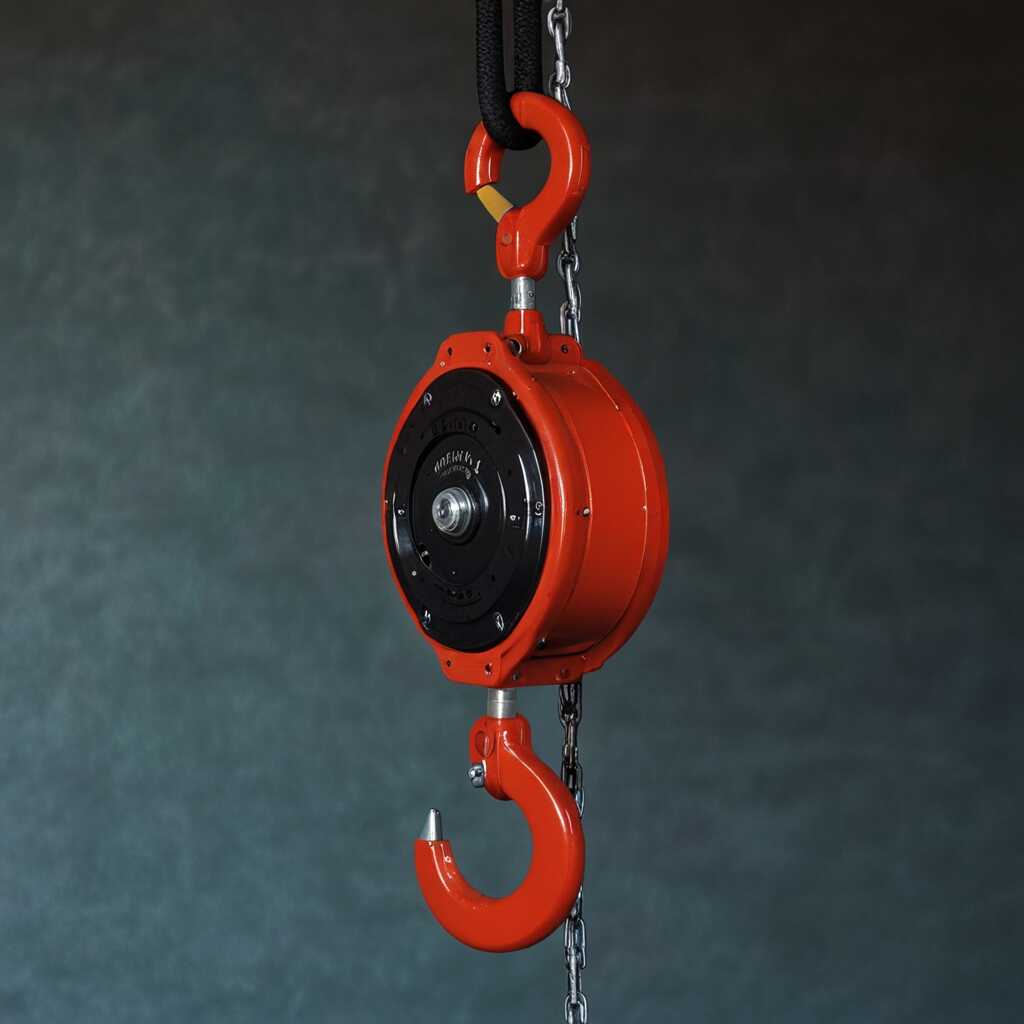
Ongoing operating costs of industrial hoists involve several critical factors. Energy consumption varies significantly based on hoist type, such as electric chain hoists which typically incur higher electricity costs compared to manual models. Routine maintenance is essential for ensuring reliability; regular inspections and service help reduce long-term expenses. Parts replacement is another significant cost, reflecting wear from daily use. Understanding these ongoing costs helps facility managers calculate the total cost of ownership (TCO) effectively.
Assessing Energy Consumption Across Different Hoists
Energy consumption analysis is crucial to determine the efficiency of various hoisting solutions. Electric chain hoists generally consume more energy than manual options, primarily due to their motors needing continuous power. For example, a quality electric chain hoist used for significant operations might consume around 2 to 4 kWh per operational hour. By choosing efficient models and implementing energy-saving strategies, facilities can potentially lower electricity costs. Conduct rigorous testing and evaluation to select models that provide the best balance between power usage and performance.
Key Numerical Insights on Long-Term Costs
- Initial purchase price typically accounts for 20% of total expenses.
- Annual maintenance costs can range from 5% to 15% of the hoist’s purchase cost.
- Energy consumption can contribute up to 30% of operational costs over time.
- Replacement parts expenses can average 10% of the original price each year.
- Increased workforce safety can lead to a 20% reduction in injury-related costs.
- Proper training can extend equipment lifespan by up to 25%.
- Downtime can cost companies an average of $250,000 per hour or more in lost productivity.
Examining Maintenance Costs and Their Impact on Longevity
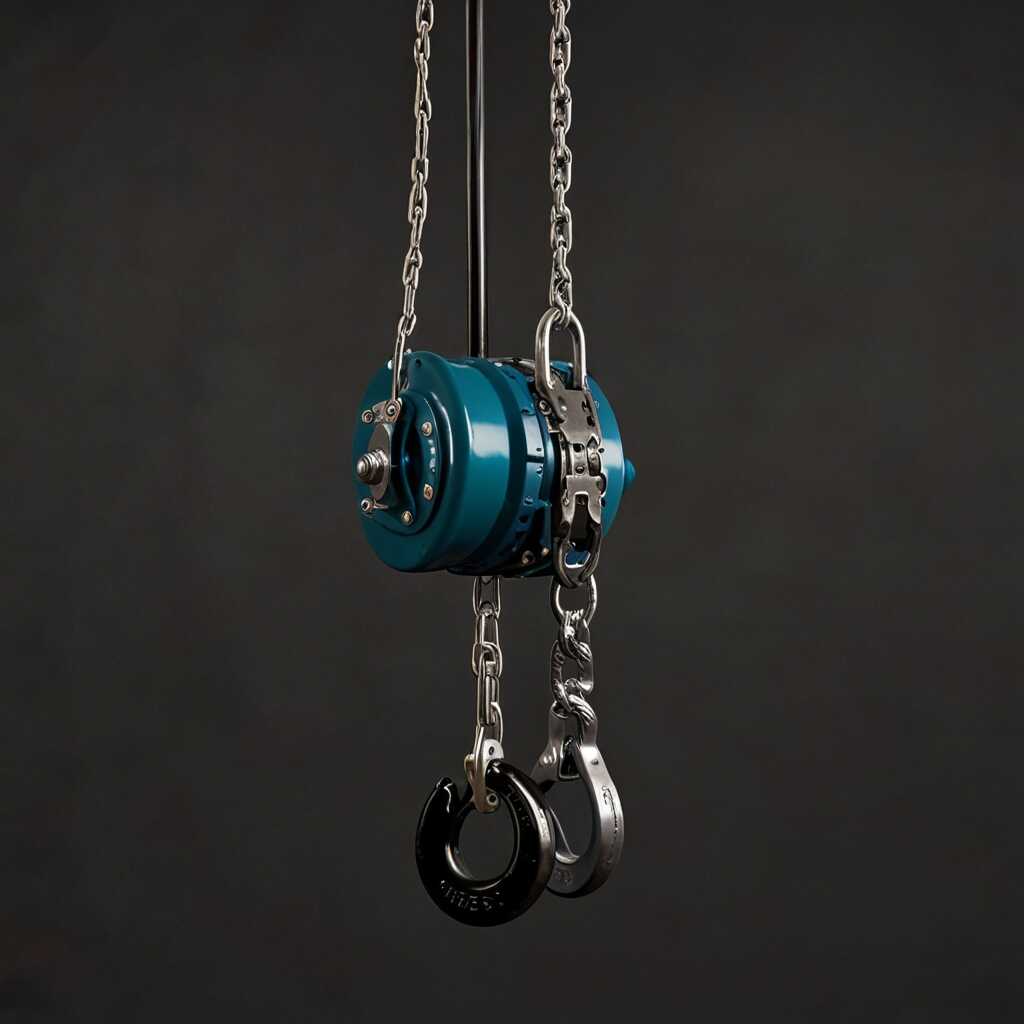
Maintenance costs significantly influence the total cost of ownership for industrial hoists. Main factors contributing to these costs include the type of hoist, frequency of use, and environmental conditions. Preventive maintenance is essential for extending a hoist’s lifespan and preventing costly repairs. For example, electric chain hoists often require different maintenance strategies compared to pneumatic hoists, which can operate in hazardous environments. Regular inspections and timely repairs not only enhance reliability but also reduce overall costs. Data shows that maintenance expenses can account for over 30% of the total cost of ownership over a hoist’s operational life.
Understanding the Benefits of Preventive Maintenance
Preventive maintenance is designed to systematically address issues before they escalate into significant repairs. It involves routine checks, lubrication, and part replacements based on a crafted schedule. For instance, electric chain hoists might require monthly inspections, while pneumatic hoists may need more frequent checks due to their operational environments. This approach helps maximize hoist lifespan and reduce repair costs. Regular maintenance improves efficiency and ensures safety compliance, delivering peace of mind to facility managers. Utilizing Hoists World’s expert guidance can help create a tailored preventive maintenance program that fits specific needs and enhances performance, making the investment in hoists more valuable over the long term.
Understanding Compliance Costs Associated with Hoist Operation
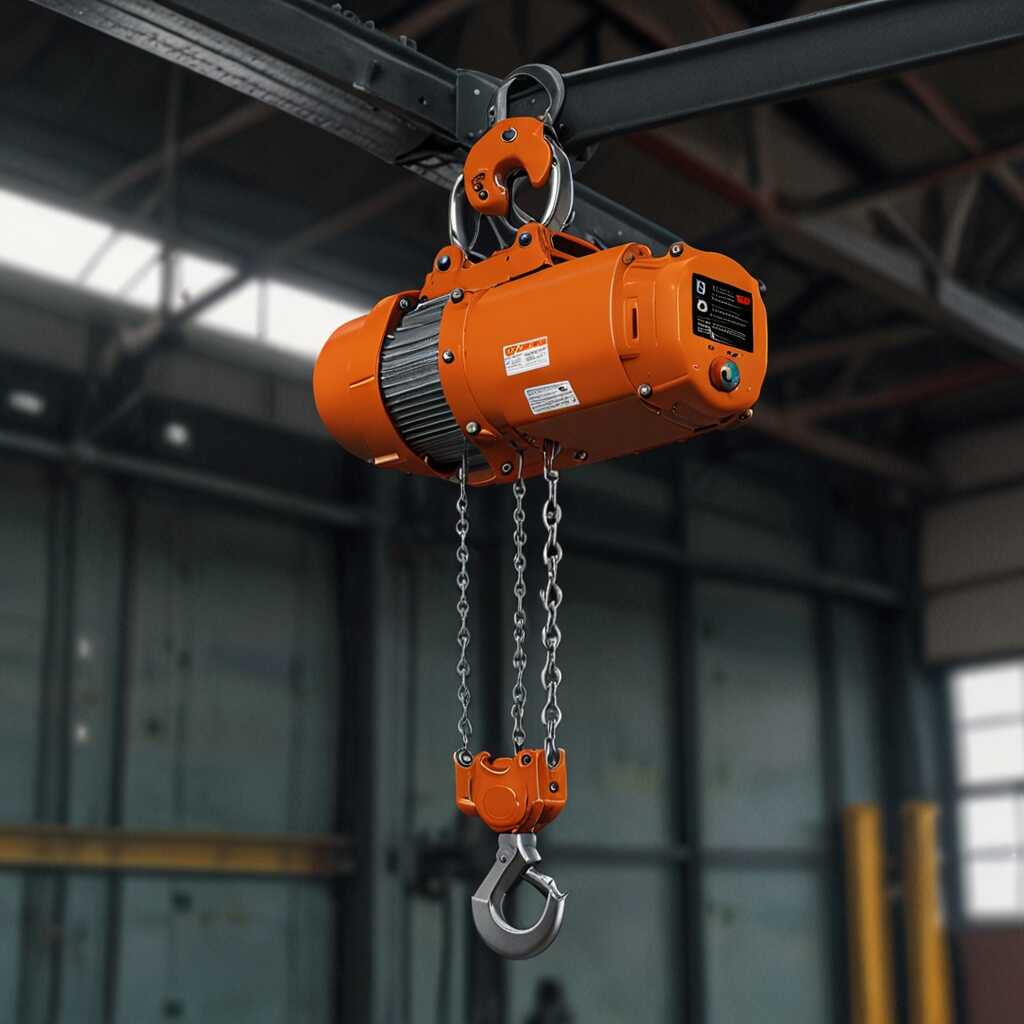
Compliance costs for hoist operation include safety training, certifications, and regular equipment inspections. Employers must provide safety training to ensure operators can handle industrial hoists efficiently. Training reinforces important safety practices which reduce accident risks and potential liabilities. Equipment inspections must be performed to meet regulatory standards, avoiding penalties and ensuring reliability. Regular inspections help maintain equipment durability while minimizing downtime. Compliance is essential for cost-effectiveness and maintaining safe working environments, impacting both direct and indirect costs of hoisting operations.
Importance of Training and Certification for Hoist Operators
Training and certification are crucial for hoist operators to enhance safety and efficiency in operations. They ensure workers understand safety protocols and equipment handling techniques. Proper training provides operators with the skills to perform inspections and recognize equipment issues early. Certification programs typically cost between $200 to $1,000 per operator, varying by provider and course length. Investing in qualified training leads to improved operational reliability and reduces long-term costs related to accidents and equipment damage.
Advantages of Understanding Overall Expenditures
- Knowing full costs helps in budget planning for the entire lifecycle.
- Users become aware of constraints beyond initial purchase price.
- Informed decisions lead to better hoist selection for specific applications.
- Overall cost analysis can highlight potential savings opportunities.
- Increased awareness promotes proactive maintenance and reduces unexpected expenses.
- Users can justify equipment investments based on greater financial insights.
- Enhanced safety protocols foster a safer work environment, reducing liability risks.

Investigating the Costs of Downtime and Its Consequences
Unplanned downtime in industrial hoists can lead to significant hidden costs that affect operations. These costs include lost productivity, which impacts revenue generation. When equipment fails, projects can halt, delaying deadlines and increasing labor expenses. Equipment reliability is essential for business function. Facility managers must prioritize minimizing downtime to enhance cost efficiency. Collaborating with maintenance personnel to develop preventive maintenance strategies is vital. Ensuring hoists receive regular inspections can significantly reduce unexpected failures. Tracking downtime data and reviewing maintenance records helps identify patterns, which can guide better decision-making. Overall, investing in reliable equipment reduces the risk of costly interruptions.
Strategies for Reducing Downtime in Hoist Operations
To effectively reduce downtime in hoist operations, companies should implement comprehensive maintenance programs. These programs should include regular inspections, preventive testing, and timely repairs. Maintenance personnel must be trained to recognize early signs of wear or fatigue in hoisting equipment. Using data analytics to track equipment performance helps identify potential issues before they lead to failures. Research shows that proper training programs enhance operators’ understanding of their equipment, improving performance and reducing accidents. Facility managers can collaborate with experienced suppliers like Hoists World to create tailored maintenance schedules. Creating a culture of safety and reliability will ensure operations run smoothly.
Identifying Costs Related to Equipment Upgrades and Replacements
Upgrading hoist systems involves various financial implications beyond just the purchase price. Equipment upgrades can significantly affect maintenance costs, reliability, and operational efficiency. Investing in modern hoist systems can enhance performance, leading to reduced downtime and lower long-term costs. However, organizations should carefully evaluate potential expenses related to installation, training, and operational adjustments. Upgrades often provide advanced features that improve lifting capabilities and safety compliance, which can offset initial costs over time.
Evaluating Hoist Manufacturers and Their Impact on Costs
Different hoist manufacturers and models can vary greatly in terms of costs and features. Choosing reliable brands is essential in ensuring long-lasting performance. Factors such as warranty terms, parts availability, and support services can influence total ownership costs. Researching manufacturer reviews and comparing product specifications can help identify options that suit an organization’s needs. Well-known companies often provide better quality and service at a premium price, contributing to overall increased efficiency and reduced expenses.
Brands and Their Applicable Contexts for Hoisting Solutions
- Hoists World specializes in diverse lifting equipment for various sectors.
- Some construction companies prefer electric models for speed and efficiency.
- Manual hoists often suit areas with limited power access or tight spaces.
- Lever hoists provide precise control needed in delicate tasks.
- Heavy-duty wire rope hoists are essential for industrial settings with heavy loads.
- Pneumatic hoists find use in explosive environments, ensuring safety.
- Portable gantry cranes appeal to businesses that require flexibility in lifting tasks.
Conclusion: Strategies for Evaluating Hoist Investments Wisely
Understanding the total cost of ownership (TCO) for industrial hoists involves several essential factors. First, consider the upfront purchase price, but also factor in maintenance costs, energy consumption, and operational efficiency over time. Common mistakes include neglecting to account for downtime and failing to analyze the long-term impact of maintenance and repairs. Reviewing expert data and comparison reviews helps to highlight reliable hoists. Budgeting for costs like training and safety inspections enhances overall effectiveness. In 2025, metrics that consider these elements can significantly improve investment decisions by providing a clearer picture of Hoists World’s capabilities and long-term operational costs.
Essential Factors in Evaluating Hoist Investment
When evaluating hoist investments, focusing on essential factors can greatly enhance decision-making. Maintenance costs impact the total cost of ownership significantly, particularly for equipment in demanding environments. Energy consumption directly affects operational costs, which can escalate without efficient hoist designs. Evaluating operational efficiency involves examining the performance of different hoist models under specific workloads. Reviews and data from reliable sources can guide you in comparing features, ensuring you choose the best option for your applications. By considering these factors, you enable a more accurate investment decision that supports both current and future operational needs.