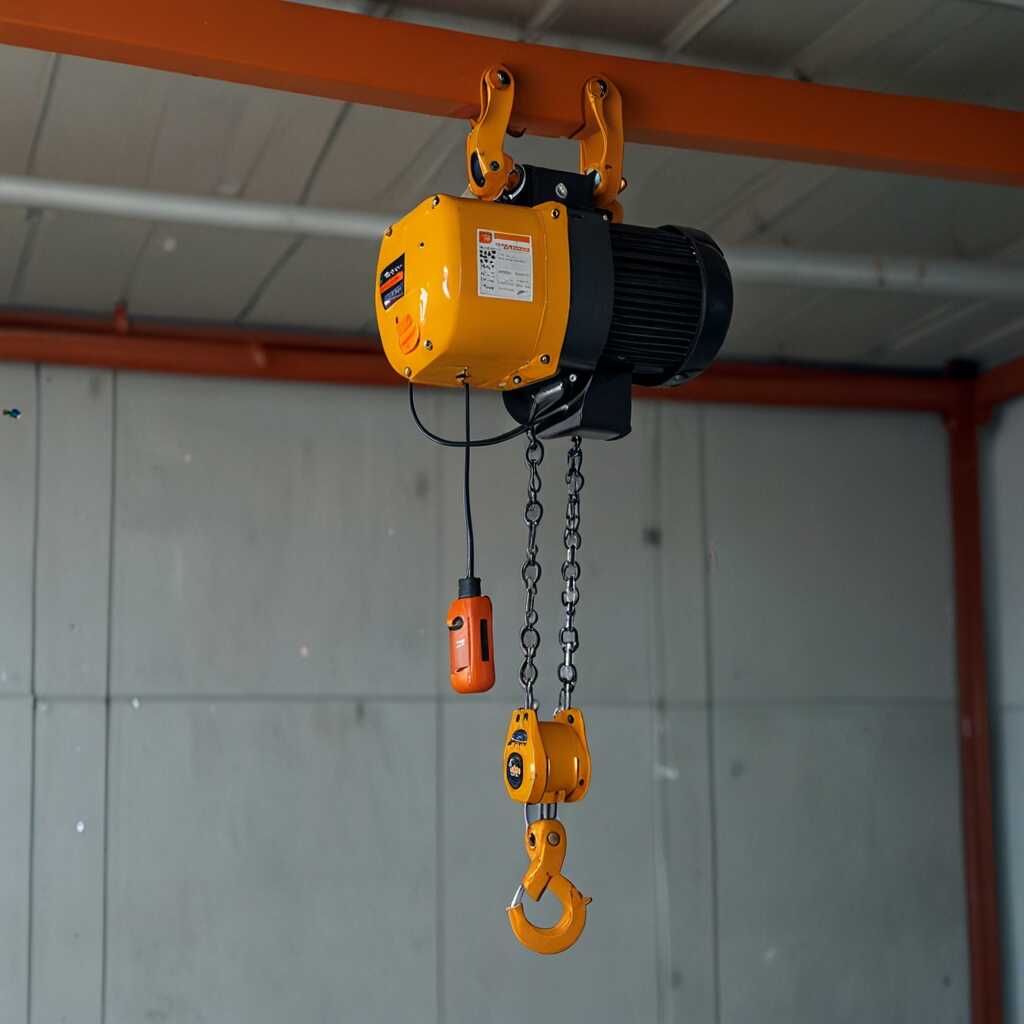
Exploring limit switch technologies can significantly enhance electric hoist safety by effectively preventing overtravel during lifting operations. These technologies provide critical safety measures that can prevent costly accidents and injuries in industrial settings. Hoists World specializes in delivering reliable hoisting solutions tailored to operational needs, emphasizing safety and efficiency in every application. By understanding the functionality and benefits of limit switches, safety officers and maintenance managers can ensure a safer work environment.
Understanding the Mechanism of Limit Switches in Electric Hoists
Limit switches work effectively in electric hoists by halting the lifting or lowering process at predetermined heights. They are designed to prevent overtravel, ensuring a safe operational range. When the hoist reaches its maximum height or its resting position, the limit switch triggers a signal to stop the motor. This process enhances reliability in lifting operations. There are several types of limit switches, including mechanical and proximity sensors. Mechanical switches use physical contact, while proximity sensors detect position without contact. The response time of limit switches is essential for safety; typically, they react within milliseconds, ensuring timely operation that prevents accidents.
Types of Limit Switches and Their Applications
Limit switches in electric hoists come in various types, each contributing to safety and functionality. Mechanical limit switches use a lever or roller to create contact when the hoist reaches a designated point. Proximity sensors, on the other hand, sense the hoist’s position using magnetic or capacitive fields without physical contact. Other types include adjustable limit switches which allow customization of stop points. Each type serves specific applications, ensuring the hoist operates efficiently. Selecting the right limit switch can enhance safety measures and promote reliable lifting equipment, contributing to improved workplace efficiency.
Key Safety Benefits Offered by Limit Switch Technologies
Limit switch technologies significantly enhance safety in electric hoists by preventing overtravel, which is a leading cause of equipment damage and injuries. These systems offer reliable feedback that detects the position of the load. When the load reaches its designated limit, the limit switch activates, halting operation promptly. This function provides essential protection for personnel during lifting and lowering tasks. Research shows that implementing these safety systems can reduce hoist incidents by up to 50%. Limit switches enhance operational efficiency by ensuring precise control in lifting operations.
How Limit Switch Technologies Protect Personnel and Equipment
Limit switch technologies protect personnel and equipment in electric hoists by providing automatic shut-off features. These systems are designed to engage when loads reach their maximum height or depth, preventing equipment from overextending or straining under heavy loads. Reliable limit switches also inform operators when a hoist is nearing its operational limits, significantly reducing risks of accidents. The proven durability of these systems, coupled with rigorous testing, ensures long-lasting performance under heavy-duty conditions. As a safety officer or maintenance manager, incorporating limit switch technologies into hoisting operations will facilitate a safer workplace environment.

Effects of Limit Switch Technology on Productivity and Efficiency
Limit switch technology significantly enhances operational efficiency in electric hoist applications. These devices ensure accurate positioning, which reduces time wasted on misalignment and overtravel scenarios. Businesses report up to a 30% reduction in downtime due to reliable limit switch functions. Moreover, limit switches provide a critical safety feature, helping prevent equipment damage and labor injuries. By integrating this technology, companies can expect marked productivity improvements driven by enhanced consistency and reduced error rates. Each hoist operation becomes smoother and more predictable, which increases overall throughput.
Understanding Limit Switch Impact on Various Industries
Limit switch technology’s impact extends across multiple industries, providing tailored solutions that enhance safety and performance. In construction sites, limit switches help ensure that hoists operate within designated parameters, preventing accidents and equipment failures. Similarly, in manufacturing, consistent load handling through accurate limit switches leads to smoother operations and fewer interruptions. Rigorous testing of these switches confirms they can handle various environmental conditions, making them durable for both indoor and outdoor applications. Overall, businesses adopt this technology not only for safety but also for its contributions to long-term operational excellence.
Key Figures in Safety Technology for Lifting Equipment
- Over 80% of accidents occur from overtravel without safety devices.
- Limit switches can reduce accidents by up to 90% in hoisting operations.
- Electric hoists can lift loads ranging from 1 ton to over 50 tons.
- More than 70% of lifting equipment failures relate to insufficient safety mechanisms.
- Annual inspections for electric hoists are mandated by OSHA.
- Limit switch installation costs can be recouped within a year through increased safety.
- Safety device failures result in expenses exceeding $1 billion annually in various industries.
Industries Benefiting from Limit Switch Technologies
Several industries rely on limit switch technologies to enhance safety and efficiency in their electric hoists. Manufacturing, construction, and warehousing are prime examples. In manufacturing, limit switches ensure that hoists do not exceed their designed lifting limits. Construction sites utilize these technologies to prevent accidents during material handling. Warehousing operations benefit by guaranteeing accurate stack heights during loading and unloading processes. For example, a construction company reported a 30% reduction in safety incidents after implementing limit switch technologies.
Applications of Limit Switch Technologies in Various Sectors
Limit switch technologies are effectively used in various sectors to enhance operational efficiency. In manufacturing plants, electric hoists are equipped with limit switches to protect against overloading and unintended movements. These switches provide reliability during high-speed operations by halting hoists at designated points. In warehouses, limit switches are integrated into automated systems for precise handling and storage. These applications not only minimize risks but also streamline productivity, ensuring that lifting equipment operates smoothly and reduces downtime.

Compliance with Safety Regulations for Electric Hoists
Electric hoists must comply with essential safety regulations established by organizations like OSHA and ANSI. OSHA mandates that equipment operators be trained and that safety features, including limit switches, are operational. ANSI standards outline specific testing procedures and performance metrics to ensure all equipment, including electric hoists, performs reliably. Compliance involves regular inspections to confirm the functionality of limit switches, which prevent overtravel and potential accidents. According to OSHA, safety inspections should occur at least annually, while more frequent checks are recommended for heavy-use environments.
Understanding OSHA and ANSI Standards for Electric Hoists
OSHA standards for electric hoists focus on ensuring operator safety through training and equipment reliability. ANSI specifications detail the necessary performance and safety features, including limit switches that prevent overtravel. These standards help organizations maintain compliance and enhance workplace safety. Facilities utilizing electric hoists are encouraged to review and implement these regulations thoroughly. Regular training sessions for operators will also ensure they understand these vital safety protocols. Hoists World emphasizes recognizing these standards during the selection of hoisting equipment as essential to maintaining a safe working environment.
Advantages of Implementing Safety Features in Hoisting
- Enhances operational safety by preventing overlifting incidents.
- Limit switch technologies help reduce the risk of equipment damage.
- Improves compliance with safety regulations, fostering a safer workplace.
- They facilitate smoother operations with quick stop-and-start functionality.
- Integrated safety devices enhance user confidence during lifting tasks.
- Can lead to lower insurance premiums due to reduced risk profiles.
- Boosts productivity by minimizing downtime caused by accidents.

Guidelines for Selecting the Right Limit Switches
When selecting limit switches for electric hoists, consider several essential factors. Limit switch compatibility is crucial; it ensures the switch works with the hoist model. Assess load capacity requirements to avoid overloading, which is critical for safety. Also, evaluate environmental condition considerations, such as moisture and temperature variations. Different types of limit switches are available, including mechanical, proximity, and electronic models. It is essential to review these options based on the unique applications of your electric hoist. Always prioritize reliable performance to enhance safety.
Types of Limit Switches and Their Applications
Understanding the types of limit switches is vital for effective hoist operation. Mechanical limit switches are often most affordable and reliable for general use. Proximity switches offer non-contact solutions for environments that require higher safety measures. Electronic limit switches provide advanced features, including remote monitoring and programmable settings. Therefore, selecting the right type helps improve safety and enhances the performance of electric hoists. Always consider application environments when choosing since the right switch must withstand specific conditions.
Best Maintenance Practices for Limit Switch Technologies
Regular maintenance tasks enhance the reliability of limit switch technologies in electric hoists. Key tasks include routine inspections, operational testing of limit switches, and cleaning of switch contacts. Maintenance personnel should review specific manufacturer guidelines to address the unique requirements of each electric hoist model. Essential protocols include checking the alignment of the limit switch, testing the functionality under load conditions, and replacing any worn components. These steps help ensure optimal performance and safety in lifting operations.
Effective Inspection Protocols for Limit Switches
Effective inspection protocols for limit switches involve a systematic approach. Inspection should occur at least once every six months or after heavy use. Maintenance personnel must evaluate the limit switch’s mechanical and electrical conditions. They must ensure that the switch engages and disengages correctly without obstruction. Cleaning dust and debris from switch surfaces significantly improves performance. Utilizing a checklist during inspections helps standardize the process and document findings for future reference. Following these protocols enhances reliability and operational efficiency of electric hoists.
Target Audiences for Safety Technology Innovations
- Construction site managers seek reliable safety solutions for lifting equipment.
- Facility safety coordinators prioritize enhanced safety protocols in operations.
- Maintenance managers value efficient safety upgrades to extend equipment life.
- Industrial trainers for electric hoists emphasize training on limit switch use.
- Operating engineers benefit from safety technologies that simplify their tasks.
- Safety officers focus on minimizing hazards and ensuring compliance.
- Risk managers in industries aim to lower liability through improved equipment safety.
Innovative Trends in Electric Hoist Technology
Latest advancements in limit switch technology include smart sensors and programmable limit switches. These innovations improve safety by providing accurate, real-time feedback on load positions. They also enhance efficiency by allowing for adjustable limit settings, crucial for various industrial applications. The integration of advanced limit switch designs into electric hoists is expected to reach nearly 70% by 2025, significantly improving overall performance and reliability. Hoists World ensures rigorous testing of these technologies, guaranteeing their durability and effectiveness in lifting operations.
Impacts of Smart Sensors on Hoist Reliability
Smart sensors greatly enhance the reliability of electric hoists. These sensors monitor lifting operations, providing immediate alerts when limits are approached. They can also adapt to changing loads, ensuring that operations remain safe even in unpredictable conditions. This technology enables operations to maintain compliance with safety standards while maximizing productivity. Hoists World offers expert insights into selecting the best sensors for specific hoist types, thereby improving operational efficiency and ensuring reliable performance in diverse environments.